





| Research Article | ||
Open Vet. J.. 2025; 15(10): 5108-5115 Open Veterinary Journal, (2025), Vol. 15(10): 5108-5115 Research Article Human gut parasitic pathogens carried by the housefly (Musca domestica L): A single health approachWali Khan1*, Majed H. Wakid2,3, Uzair Ahmad1, Mashael Abdullah aldamegh4, Habib Ur Rahman5, Patricio De Los Rios Escalante6,7 and Yousef Abdal Jalil Fadladdin81Laboratory of Parasitology, Department of Zoology, University of Malakand, Lower Dir, Pakistan 2Department of Medical Laboratory Sciences, Faculty of Applied Medical Sciences, King Abdulaziz University, Jeddah, Saudi Arabia 3Special Infectious Agents Unit, King Fahd Medical Research Center, King Abdulaziz University, Jeddah, Saudi Arabia 4Department of Biology, College of Science, Majmaah University, Al-Majmaah, Saudi Arabia 5Department of Pediatrics, Saidu Teaching Hospital, Saidu Medical College, Swat, Pakistan 6Universidad Catolica de Temuco, Facultad de Recursos Naturales, Departmento de Ciancias Biologicas Quimicas Casella 15-D, Temuco, Chile 7Núcleo de Estudios Ambientales UC Temuco, Casilla, Temuco, Chile 8Department of Biological Sciences, Faculty of Sciences, King Abdulaziz University, Jeddah, Saudi Arabia *Corresponding Author: Wali Khan. Laboratory of Parasitology, Department of Zoology, University of Malakand, Lower Dir, Pakistan, Email: walikhan [at] uom.edu.pk Submitted: 01/02/2025 Revised: 12/08/2025 Accepted: 12/08/2025 Published: 31/10/2025 © 2025 Open Veterinary Journal
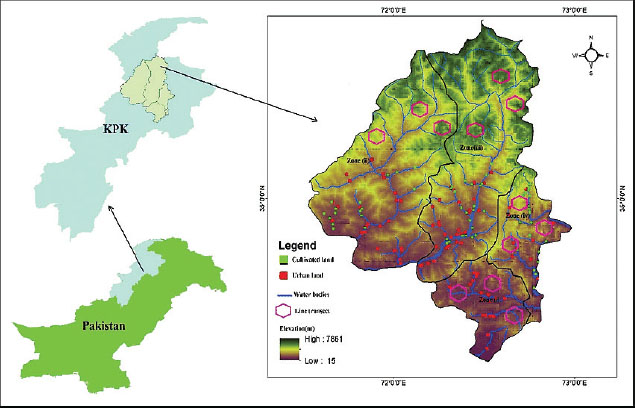
AbstractBackground: Musca domestica (L) is a potential carrier of pathogenic parasites in synanthropic habitats. Aim: This study was conducted to investigate the prevalence of intestinal parasites carried by houseflies, collected from different sites in districts Dir (Lower) and Malakand, Pakistan. Methods: During the study, 672 houseflies were randomly caught with insect sweep nets from abattoirs, garbage piles, public latrines, vegetable shops, and hotels located in both urban and rural areas of the districts. Results: A total of 672 common house flies were examined. Of the examined flies, 33.3% (n=224) were found in filth with different species of parasites. Of the filthy flies, 30.9% (n=208) were infected with a single species of parasites, and 2.38% (n=16) were infected with multiple species of parasites. Seven different parasite species were isolated from the surface body parts and guts of the captured houseflies. Ascaris lumbricoides was isolated most (30.1%), followed by Toxocara canis (26.8%), hookworm (12.95%), Hymenolepis nana (10.3%), Giardia lamblia (9.82%), Taenia sp. (7.14%), and Trichuris trichiura (3.13%), in that order (p < 0.0001). The highest number of houseflies (n=156) was recorded in abattoirs, whereas the highest rate of prevalence, 43%, was noted in public latrines. Statistical representation revealed that the p value is significant only for the public latrines of the lower dir district (p < 0.05). Conclusion: This study showed that houseflies are potential transmitters of parasitic infection to human hosts and could significantly contribute to the spread of foodborne parasitic diseases. Keywords: Parasitic infection, Public health, House flies, Zoonotic importance, Synanthropic habitats. IntroductionMusca domestica (the common house flies) plays a vital role in transmitting parasitic diseases to humans because of its filthy nature. Common house flies have a negative psychological impact as they cause nuisances and signify unhygienic conditions. Houseflies are known to spread diseases because they feed freely on human food and filthy matters. Houseflies pick up pathogenic microorganisms while crawling and feeding on contaminated materials and transfer them to food and drinks, leading to food- and water-borne diseases, especially in infants and children. The house flies are the most prevalent of all flies, accounting for about 90% of all flies in human habitations worldwide (Nmorsi et al., 2006). Houseflies in tropical areas prefer warm places and are more active during the day at temperatures between 10°C and 26.5°C, but are inactive below 7.2°C and could die at extreme temperatures below 0°C or above 44.4°C (Ahmadu et al., 2016). Houseflies are associated with decomposing materials and areas with poor environmental hygiene, such as livestock farms, domestic waste dumps, and latrines, where the accumulation of organic material provides suitable breeding conditions. Flies feed on a wide variety of food substances, including human food, garbage, and fecal materials. Heaps of feces are the prime breeding sites for houseflies (Keiding, 1986; WHO, 1991). Synanthropic house flies are linked to the transmission of various pathogens of public health importance (Oghale et al., 2013). The antennae of non-biting flies, such as M. domestica, have special sensory cells that can detect strong compounds like ammonia and carbon dioxide emitted from fecal and other decomposing organic materials (Tan et al., 1997). The hairy bodies, spongy mouth parts, and sticky foot-pads of houseflies make it easier for them to transmit disease-causing organisms from infected materials to human food and water, especially in open areas (El-Sherbini and El-Sherbini, 2011). Houseflies have been incriminated in the mechanical transmission of helminth eggs, such as Ascaris, Trichuris, Enterobius, Toxocara, Strongyloides, Taenia, Hymenolepis, Dipylidium, Diphyllobothrium species, protozoan cysts, and trophozoites (Oghale et al., 2013; Mullen and Durden, 2019). Gastrointestinal helminths and protozoa are the leading cause of gastroenteritis, with significant morbidity and mortality, especially in low-income countries (Alqarni et al., 2023; Al-Refai and Wakid, 2024). Otranto et al. (2009) found that house flies-borne infections affect public health mainly in areas where control and prevention strategies are often impaired by socioeconomic constraints. The World Health Organization (WHO) reported that nearly two-thirds of the world’s population was infected with intestinal parasites, with Giardia lamblia and Ascaris lumbricoides being the most concern (WHO, 2005; Harhay et al., 2010). Non-biting synanthropic flies are also carriers of pathogenic bacteria (Sukontason et al., 2007; Butler et al., 2010; Fasanella et al., 2010) and viruses (Sawabe et al., 2006). Several studies have investigated intestinal parasitic infection among humans in the Malakand region, Pakistan (Nisa et al., 2011; Khan et al., 2012, 2015; Khan et al., 2017a, 2017b; Khan, 2018; Khan et al., 2018; Arshad et al., 2019; Khan et al., 2019a, 2019b; Khan et al., 2020; Iqbal et al., 2021; Khan et al., 2021; Rahman et al., 2021; Ulhaq et al., 2021; Khan et al., 2022; Rahman et al., 2022; Khan et al., 2023; Subhan et al., 2023). However, studies on the role of houseflies as mechanical transport hosts of gastrointestinal parasites in Pakistan is lacking. The current study was therefore designed to understand the role of houseflies as carriers of human intestinal parasites in district Dir (lower) and Malakand, Pakistan. Materials and MethodsStudy area and sitesBased on poor water management facilities, lack of sanitary practices, improper disposal of waste materials, and variation in feeding behavior, the study sites were chosen, namely abattoirs, garbage piles, public latrines, vegetable shops, and hotels. These sites were chosen from the rural and urban areas of district Dir (Lower) and district Malakand, located in the north western part of Pakistan. District Lower Dir lies 34° 22′ and 35° 50’ N and 71° 02′ and 72°30′ E. The total area is 1,582 km2 and inhabited by 1,435,917 individuals with a population density of 908/ km2. The Malakand district lies between 32°22’ to 34°42’ N and 71°37’ to 72° 14’ E (meter above sea level?). The total area of the Malakand district is 952 km2, and it is populated by 720,295 people, with a population density of 596 people per km2. In district Lower Dir, the annual average maximum and minimum temperatures ranged from 29°C and 12°C. The annual rainfall varies from 600 to 1,100 mm. Snowfall rarely occurs on the tops of some mountains in district of lower Dir, Pakistan. In district Malakand, the climate is moderately hot in summer and cold in winter. The months of June to August are the hottest months of the year. The maximum temperature during summer is 41°C and the minimum is 2°C in winter (Fig. 1).
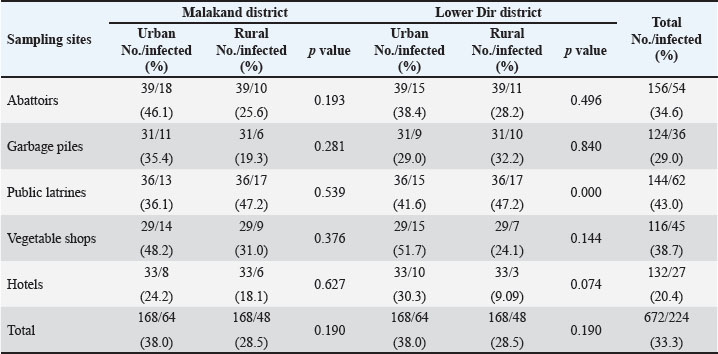
Fig. 1. Mape showing the urban areas of the Malakand Division, KP, Pakistan. Collection of housefliesSix hundred and seventy two adult M. domestica (the common house flies) were caught with a fine sweep net from five synanthropic sites in both districts. The flies were collected daily between 9 and 12 pm, from the month of March to July 2017. The collected houseflies were killed in normal-sized jam bottles containing 10% cotton-soaked formalin, labeled with the container, and transported to the Parasitology laboratory, Department of Zoology, University of Malakand for further studies. Sample processingApproximately 10 ml of 10% formal saline was added to each universal bottle containing the houseflies. The houseflies were individually dissected with fine forceps, and the gut contents were smeared on a glass slide. A drop of Lugol’s iodine was added for the enhancement of morphological features of any detected stage of the parasites (Alqarni et al., 2022; Bahwaireth and Wakid, 2022). These were examined under a microscope (Labo-Med USA, using 10× and 40× objective lenses to report the presence of helminth eggs and protozoan cysts, respectively. Identification of the parasites was done by the keys provided by WHO (2019). Statistical analysis and data visualizationThe data were analyzed using the chi-square test with Graph Pad Version 5, and the p-value was considered significant when less than 0.05 at 95% CI. Further for data visualization and more readability, the methods of Yin and Ivanović (2024) and Yin et al. (2024 a, 2024b) were applied. Ethical approvalNot needed for this study. ResultsThe results of the research incriminated M. domestica as a carrier of pathogenic parasites of public health importance. All 672 houseflies were identified as M. domestica. The highest occurrence of houseflies was recorded in abattoirs (n=156), accounting for 23.21% while the least (n=116) was recorded in vegetable shops at 17.2% of the total houseflies population. Two hundred twenty-four (n=224) houseflies had human intestinal parasites isolated from their gut contents. Flies from public latrines had the highest prevalence of parasites (43%), whereas holes had the lowest prevalence (20.4%), as shown in Table 1. Table 1. Number of M. domestica species per site sampled from the districts investigated.
Seven different types of parasites in single or multiple species of houseflies were identified. Ascaris lumbricoides was the most recovered parasite with a prevalence rate of 30.1%, followed by Toxocara canis 26.8%, hookworm 12.95%, Hymenolepis nana 10.70%, G. lamblia 9.82%, Taenia sp. 7.14%, and Trichuris trichiura 3.13%, as listed in Table 2 and Figure 2.
Fig. 2. Detected stages of the parasites include: (A) A. lumbricoides egg; (B) T. canis egg; (C) Hookworm egg; (D) H. nana egg; (E) Taenia sp. egg; (F) T. trichiura egg; (G) G. lamblia cyst. Table 2. Prevalence of intestinal parasites recovered from the gut contents of M. domestica trapped in different synanthropic sites in districts Lower Dir and Malakand, Pakistan.
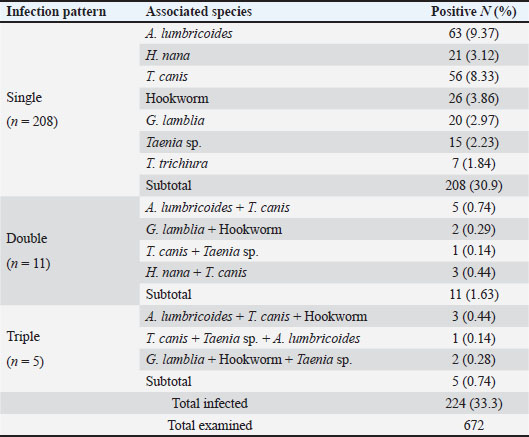
Table 3 presents the proportion of houseflies with mono- and poly-parasitism of human intestinal parasites. According to the results, 208 (30.9%) houseflies had mono-parasitism, whereas 16 (2.38%) flies were infested with more than one species of parasite. The result further showed that poly-parasitism with two species of parasites was recorded in 11 (1.63%) flies, whereas 3-species poly-parasitism was observed in five (0.74%) flies only. Table 3. Carrier patterns of M. domestica with intestinal parasites of humans trapped from different synanthropic sites in districts Lower Dir and Malakand, Pakistan.
DiscussionThe characteristics such as filthy breeding habits, feeding style, and unselective travel between filth and food make house flies synanthropic insects and efficient mechanical vectors of human intestinal pathogenic parasites. Information on the association between gastrointestinal parasitic infection carried by house flies is lacking in Pakistan; therefore, the current study aimed to determine the role of M. domestica as a carrier of various human intestinal parasites in the districts lower Dir and Malakand, Pakistan. The study revealed seven different species of human intestinal parasites isolated from the gut of the houseflies: A. lumbricoides, T. trichiura, hookworm sp, H. nana, Taenia sp., T. canis, and G. lamblia. This is in agreement whether in parts or whole with the previous studies that reported the presence of these parasites in houseflies (Nmorsi et al., 2006; Ogunniyi et al., 2015). The current study revealed a 33.3% prevalence of parasitic organisms harbored by M. domestica, which is in accordance with a 22.8% prevalence in drug addicts in Swat, Pakistan (Khan et al., 2019a). Similar studies were conducted by Nmorsi et al., (2006), accounted as 75.4% of the housefly’s harbored gastrointestinal parasites. During surveys on human intestinal parasitic various rate of prevalence have been reported as 79.2% in shepherded of Swat, Pakistan (Nisa et al., 2011); 65.9% in students of Swat, Pakistan (Khan et al., 2015); 83.1% in food handlers of Swat, Pakistan (Khan et al., 2017a); 73.2% in various occupations (Khan et al., 2017b); 62.3% in school children of three districts of Malakand region, Pakistan (Khan et al., 2019b); 12.4% in Karachi Pakistan (Arshad et al., 2019); 82% in rural areas of Lower Dir (Ulhaq et al., 2021); 59.8% in food handlers (Khan et al., 2022); 71.7% in urban parts of Lower Dir (Rahman et al., 2022); 82% in school children (Khan et al., 2022); 58.5% in school children of Bajaur district, Pakistan (Subhan et al., 2023); 67% in school children (Fadladdin et al., 2024). It is to be noted that studies on house flies harboring gastrointestinal parasites represent a new contribution to the existing literature in the region. The most prevalent parasite isolated from houseflies was A. lumbricoides, with a prevalence of 30.1%. In agreement with previous studies, this parasite was among the most prevalent in various human populations (Wakid et al., 2009; Nisa et al., 2011; Khan et al., 2015; Khan et al., 2017a, 2017b; Arshad et al., 2019; Khan et al., 2019b; Wakid, 2020; Ulhaq et al., 2021; Alqarni et al., 2022; Khan et al., 2022; Rahman et al., 2022; Subhan et al., 2023; Al-Refai and Wakid, 2024; Fadladdin et al., 2024). The abundance in prevalence of A. lumbricoides in both the human population and house flies indicates that house flies may play a prime role as carriers of this parasite to vulnerable human hosts. The current study also revealed that the dogs’ nematode T. canis is the second most prevalent infection spreading through house flies in the environment. This could be due to epidemiology, distribution, resistance of the ova to environmental hazards, vulnerability, and other factors (Tylkowska et al., 2024). The anthropogenic activities such as climate change, urbanization, deforestation, the trading of wild animals, and unmanageable agricultural rise act as drivers for emerging and re-emerging diseases of zoonotic importance (Tazerji, et al., 2022). The implication of houseflies in the transmission of helminth diseases is alarming because houseflies live in close association with human habitation. Houseflies are common around households, particularly in garbage dumps and on human or animal excrement, and they are proven mechanical transmitters of pathogens to human food (Getachew et al., 2007). The results of this study show that houseflies are more likely to transmit parasitic infections due to their direct contact with parasite-infested feces. Public latrines have the highest prevalence of parasite-infested feces. The study also revealed that 208 flies (92.8%) were infested with just a single species of parasite, while 11 (4.90%) and 5 (2.23%) had polyparasitism comprising two and three different parasite species, respectively. Therefore, as the flies make contact with these contaminated sites to feed, they carry with them infectious pathogens, including infective helminth eggs/larvae and protozoan cysts/oocysts, from these sites and deposit them on any surface they visit, including human food and water. The external structures of houseflies (antennae, mouthparts, and legs) and their lifestyles are adapted to transmit disease agents from one surface to another. Houseflies are known to clean themselves immediately as they withdraw from the surface on which they have been feeding, thus depositing contacted and ingested parasite eggs, larvae, and cysts on such surfaces (Getachew et al., 2007). Houseflies defecate every 4–5 minutes on any surface on which they land or feed, thereby depositing infectious pathogens, including any ingested helminth egg/larvae or protozoan cyst in the process. The abundance of parasite-carrying houseflies in the different sample sites, particularly in hotels, abattoirs, and vegetable shops, highlights the potential danger and public health risk associated with these flies in causing food and waterborne diseases. The risk becomes even greater when raw or improperly cooked food, especially meat and vegetables, is consumed. ConclusionDuring the current study, 672 houseflies were caught in various synanthropic habitats, including abattoirs, garbage piles, public latrines, vegetable shops, and hotels, located in the urban and rural areas of both districts. Of the total collected house flies, 33.3% (n=224) were harbored the parasites. House flies in public latrines had the highest parasite prevalence, whereas those in vegetable shops had the lowest prevalence rate. Seven different parasite species were isolated from various body parts of the houseflies: A. lumbricoides was the most abundant, followed by T. canis (dog nematode), hookworm sp, H. nana, G. lamblia, Taenia sp., and T. trichiura in order of prevalence. This study showed that houseflies are potential mechanical transmitters of parasitic infections to humans and could significantly contribute to the spread of foodborne parasitic diseases. Based on the findings of the present study, the following recommendations have been made: To keep the environment clean in order to keep the flies away, Trash should be properly disposed into sealed containers, a dumper should be emptied regularly and kept as far away as possible from buildings, manure and other decaying animal materials should be promptly removed, and open defecation should be discouraged. Policies on environmental hygienic principles for the control of house flies should be adopted through education campaign programs among the stakeholders to ensure the fly-free flies’ environment in abattoirs, garbage piles, public latrines, vegetable shops, and hotels. AcknowledgmentsAuthors are thankful to the owners of the abattoirs, public latrines managers, vegetable shops keepers, and hotels managerial staff, located in the urban and rural areas of both districts, for their cooperation in sampling of house flies. Conflict of interestThe authors declare that they have no conflict of interest. FundingNo fund was available for the conduction of this study. This study was conducted on the authors’ own arrangements. Author’s contributionWK, UA, drafted the first version of the manuscript. MHW, ZM, JJ, and PDLE revised and edited the manuscript. WK, MHW, and ZM critically evaluated the manuscript. UA, MHW, and JJ edited the references. All authors have approved this version for publication. Data availabilityData given in this article and available online. ReferencesAhmadu, Y.M., Goselle, O.N., Ejimadu, L.C. and James Rugu, N.N. 2016. Microhabitats and pathogens of houseflies (Musca domestica). Electron. J. Biol. 12(4), 374–380. Alqarni, A.S., Wakid, M.H. and Gattan, H.S. 2022. Prevalence, type of infections and comparative analysis of detection techniques of intestinal parasites in the province of Belgarn, Saudi Arabia. PeerJ 10, e13889; doi:10.7717/peerj.13889 Alqarni, A.S., Wakid, M.H. and Gattan, H.S. 2023. Hygiene practices and factors influencing intestinal parasites among food handlers in the province of Belgarn, Saudi Arabia. PeerJ 11, e14700; doi:10.7717/peerj.14700 Al-Refai, M.F. and Wakid, M.H. 2024. Prevalence of intestinal parasites and comparison of detection techniques for soil-transmitted helminths among newly arrived expatriate labors in Jeddah, Saudi Arabia. PeerJ 12, e16820; doi:10.7717/peerj.16820 Arshad, S., Khatoon, N., Wrind, J.A., Khan, A., Waheed, S. and Khan, W. 2019. Prevalence of human intestinal protozoal and helminthic infection in Karachi. Int. J. Biol. Biotech. 16(2), 319–323. Bahwaireth, E.O. and Wakid, M.H. 2022. Molecular, microscopic, and immunochromatographic detection of enteroparasitic infections in hemodialysis patients and related risk factors. Foodborne Pathog. Dis. 19, 830–838; doi:10.1089/fpd.2022.0024 Butler, J.F., Garcia-Maruniak, A., Meek, F. and Maruniak, J.E. 2010. Wild Florida house flies (Musca domestica) as carriers of pathogenic bacteria. Fla. Entomol. 93(2), 218–223; doi:10.1653/024.093.0211 El-Sherbini, G.T. and El-Sherbini, E.T. 2011. The role of cockroaches and flies in mechanical transmission of medically important parasites. Int. J. Entomol. Nematol. 3(7), 98–104. Fadladdin, Y.A.J., Rahman, H.U., Khan, W. and Rahman, A.U. 2024. Prevalence and associated risk factors with Endameba histolytica infections in school children. J. Adv. Zool. 45(6), 276–284; doi:10.53555/jaz.v45i2.3649 Fasanella, A., Scasciamacchia, S., Garofolo, G., Giangaspero, A., Tarsitano, E. and Adone, R. 2010. Evaluation of the house fly Musca domestica as a mechanical vector for anthrax. PLoS One 5(8), e12219; doi:10.1371/journal.pone.0012219 Getachew, S., Gebre-Michael, T., Erko, B., Balkew, M. and Medhin, G. 2007. Non-biting cyclorrhaphan flies (Diptera) as carriers of intestinal human parasites in slum areas of Addis Ababa, Ethiopia. Acta Tropica 103(3), 186–194. Harhay, M.O., Horton, J. and Olliaro, P.L. 2010. Epidemiology and control of human gastrointestinal parasites in children. Expert Rev. Anti. Infect. Ther. 8(2), 219–234; doi:10.1586/eri.09 Iqbal, M., Khan, W., Khan, M.F. and Khan, I. 2021. Albendazole and mebendazole in the treatment of ancylostomiasis in school children between the ages of 6-15 in Swat, Pakistan. J. Pak. Med. Assoc. 71(8), 2058–2060; doi:10.47391/JPMA.1055 Keiding, J. 1986. The housefly: biology and control. World Health Organization, Division of Vector Biology and Control. Available via https://iris.who.int/handle/10665/60254 Khan, W. 2018. Prevalence of potentially important intestinal pathogenic protozoan parasitic infections in different occupational groups of Swat, Pakistan. Pak. J. Zool. 50(1), 123–129; doi:10.17582/journal.pjz/2018.50.1.123.129 Khan, W., Arshad, S., Khatoon, N., Khan, I., Ahmad, N., Kamal, M., UlHassan, H., Khan, N., Haq, A.U., Ilyas, M. and Ullah, S. 2021. Food handlers: an important reservoir of protozoans and helminth parasites of public health importance. Braz. J. Biol. 82, e238891; doi:10.1590/1519-6984.238891 Khan, W., Khan, J., Khan, N., Iqbal, R., Ullah, A., Ghaffar, R., Mehmood, S.A., Ahmad, S., Khan, S. and Ullah, F. 2019b. Soil-transmitted helminth infections in school children of three districts of Malakand region, Khyber Pakhtunkhwa, Pakistan. Pak. J. Pharm. Sci. 32(2 Suppl.), 799–803. Khan, W., Khan, N.I. and Bukhari SNF Begum. 2019a. Prevalence of intestinal parasitic infection among drug addicts in District Swat, Khyber Pakhtunkhwa. Iran. J. Parasitol. 14(2), 359–361. Khan, W., Nisa, N. and Khan, A. 2015. Diversity of intestinal parasites in male and female students and workers of education department of Swat, Pakistan. Pak. J. Zool. 47(2), 565–568. Khan, W., Nisa, N. and Khan, A. 2017a. Prevalence and risk factors of intestinal parasitic infections among food handlers of swat, Khyber Pakhtunkhwa. Pak. J. Food Nutri. Res. 5(5), 331–336; doi:10.12691/jfnr-5-5-7 Khan, W., Nisa, N. and Khan, A. 2017b. Soil-transmitted helminthiasis in different occupational groups in Swat, Khyber Pakhtunkhwa, Pakistan. Pak. J. Pharm. Sci. 30(4), 1345–1350. Khan, W., Nisa, N., Khan, A. and Naqvi, S.M.H.M. 2012. Endemicity of intestinal parasites with special reference to nematodes in individuals related to education (students, staff & workers) in Swat KP, Pakistan. Pak. J. Nematol. 30(1), 77–85. Khan, W., Nisa, N.U. and Nawaz, M.A. 2018. Incidence of tapeworm infection in human population of Swat, Pakistan: an occupation-based study. Pak. J. Zool. 50(2), 639–645; doi:10.17582/journal.pjz/2018.50.2.639.645 Khan, W., Rahman, H., Rafiq, N., Kabir, M., Ahmed, M.S. and Escalante, P.D.L.R. 2022. Risk factors associated with intestinal pathogenic parasites in school children. Saudi J. Biol. Sci. 29(4), 2782–2786; doi:10.1016/j.sjbs.2021.12.055 Khan, W., Rahman, H.U., Fadladdin, Y.A.J., Rafiq, N., Naz, R., De Los Rios-escalante, P.R., Ahmad, S., Alrobaish, S.A. and Al-Sowayan, N.S. 2023. Toxoplasmosis—awareness and knowledge of pregnant women in rural areas of Malakand Region, Pakistan. J. Parasitol. Res. 2023, 4603066; doi:10.1155/2023/4603066 Mullen, G.R. and Durden, L.A. 2019. Medical and veterinary entomology, 3rd ed. Elsevier Inc.; doi:10.1016/C2017-0-00210-0 Nisa, N., Khan, W. and Khan, A. 2011. Prevalence of intestinal parasites in male and female shepherds of Swat, Pakistan. Int. J. Biol. Biotech. 8(4), 597–603. Nmorsi, O.P., Ukwandu, N.C. and Agbozele, G. 2006. Detection of gastrointestinal parasites in four synanthropic flies in Ekpoma, Nigeria. J. Vector Borne Dis. 43(3), 136–141. Oghale, O.O., Ebube, C.A. and Oluchi, U.O. 2013. Parasitic load on Musca domestica (Diptera: muscidae) from different synanthropic environments in Umuahia metropolis. J. Public Health Epidemiol. 5(8), 309–312; doi:10.5897/JPHE2013.0521 Ogunniyi, T.A., Olajide, J.S. and Oyelade, O.J. 2015. Human intestinal parasites associated with nonbiting flies in ile-ife, Nigeria. J. Med. Biol. Sci. Res. 1(9), 124–129. Otranto, D., Capelli, G. and Genchi, C. 2009. Changing distribution patterns of canine vector-borne diseases in Italy: leishmaniosis vs. dirofilariasis. Parasit. Vectors 2(Suppl 1), S2; doi:10.1186/1756-3305-2-S1-S2 Rahman, H.U., Khan, W., Mehmood, S.A., Ahmed, S., Yasmin, S., Ahmad, W., Haq, Z.U., Shah, M.I.A., Khan, R., Ahmad, U. and Khan, A.A. 2021. Prevalence of cestodes infection among school children of urban parts of Lower Dir district, Pakistan. Braz. J. Biol. 82, e242205; doi:10.1590/1519-6984.242205 Rahman, H.U., Khatoon, N., Arshad, S., Masood, Z., Ahmad, B., Khan, W., Rafiq, N., Khan, M.I., Kabir, M., Haq, Z.U. and Kamal, I. 2022. Prevalence of intestinal nematodes infection in school children of urban areas of district Lower Dir, Pakistan. Braz. J. Biol. 82, e244158; doi:10.1590/1519-6984.244158 Sawabe, K., Hoshino, K., Isawa, H., Sasaki, T., Hayashi, T., Tsuda, Y., Kurahashi, H., Tanabayashi, K., Hotta, A., Saito, T. and Yamada, A. 2006. Detection and isolation of highly pathogenic H5N1 avian influenza A viruses from blow flies collected near an infected poultry farm in Kyoto, Japan. Am. J. Trop. Med. Hyg. 75(2), 327–332. Subhan, F., Khan, W., Rahman, H.U., Ahmed, S., Mehmood, S.A. and Fadladdin, Y.A.J. 2023. Prevalence of intestinal parasitic infection among school children of Bajawar, Pakistan. Int. J. Med. Parasitol. Epidemiol. Sci. 4(1), 19–24. Sukontason, K.L., Bunchoo, M., Khantawa, B. and Piangjai, S. 2007. Comparison of Musca domestica and Chrysomya megacephala as bacteria carriers in northern Thailand. Southeast Asian J. Trop. Med. Public Health 38(1), 38–44. Tan, S.W., Yap, K.L. and Lee, H.L. 1997. Mechanical transport of rotavirus by the legs and wings of Musca domestica (Diptera: muscidae). J. Med. Entomol. 34(5), 527–531; doi:10.1093/jmedent/34.5.527 Tazerji, S.S., Nardini, R., Safdar, M., Shehata, A.A. and Duarte, P.M. 2022. An overview of anthropogenic actions as drivers for emerging and re-emerging zoonotic diseases. Pathogens 11(11), 1376; doi:10.3390/pathogens11111376 Tylkowska, A., Mocha, N., Kołnierzak, M.M. and Szenejko, M. 2024. Risk factors associated with soil-transmitted helminths in dog feces that contaminate public areas of Warsaw, Poland. Animals 14(3), 450; doi:10.3390/ani14030450 Ulhaq, Z., Khan, W., Khan, M.F., Kabir, M., Ujjan, A.A., Ullah, W., Masood, Z., Khan, S. and De Los Ríos Escalante, P. 2021. Prevalence of intestinal parasitic diseases in school children of rural areas of district Lower Dir, Pakistan. Braz. J. Biol. 82, e243150; doi:10.1590/1519-6984.243150 Wakid, M.H. 2020. Prevalence of enteroparasites among non-Saudis in Bahrah, Saudi Arabia. Cureus 12(7), 9253; doi:10.7759/cureus.9253 Wakid, M.H., Azhar, E.I. and Zafar, T.A. 2009. Intestinal parasitic infection among food handlers in Holy City Makkah during Hajj Season 1428 Hegira (2007). J. KAU. Med. Sci. 16, 39–52. WHO. 2019. Bench aids for the diagnosis of intestinal parasites, 2nd ed. New York, NY: World Health Organization. Available via https://iris.who.int/ handle/10665/324883 WHO. 1991. Division of control of tropical diseases. The housefly: training and information guide. New York, NY: World Health Organization. Available via https://iris.who.int/handle/10665/58637 WHO. 2005. Strategy development and monitoring for parasitic diseases and vector control team. Deworming for health and development: report of the third global meeting of the partners for parasite control. New York, NY: World Health Organization. Available via https://iris.who.int/handle/10665/69005 Yin, S. and Ivanovic, M. 2024. Guest editorial: recent advances in AI methods for image processing: theory, algorithms, and applications. Comp. Sci. Inf. Sys. 21(4), iv–viii; doi:10.2298/CSIS240400vY Yin, S., Li, H., Sun, Y., Ibrar, M. and Teng, L. 2024b. Data visualization analysis based on explainable artificial intelligence: a survey. IJLAI. Trans. Sci. Eng. 2(2), 13–20. Yin, S., Li, H., Teng, L., Laghari, A.A. and Estrela, V.V. 2024a. Attribute-based multiparty searchable encryption model for privacy protection of text data. Multimed. Tools Appl. 83(15), 45881–45902; doi:10.1007/s11042-023-16818-4 | ||


| How to Cite this Article |
| Pubmed Style Khan W, Wakid MH, Uzair M, Aldamegh MA, Rahman HU, Escalante PDLR, Fadladdin YAJ. Human gut parasitic pathogens carried by the housefly (Musca domestica L): A single health approach. Open Vet. J.. 2025; 15(10): 5108-5115. doi:10.5455/OVJ.2025.v15.i10.28 Web Style Khan W, Wakid MH, Uzair M, Aldamegh MA, Rahman HU, Escalante PDLR, Fadladdin YAJ. Human gut parasitic pathogens carried by the housefly (Musca domestica L): A single health approach. https://www.openveterinaryjournal.com/?mno=240628 [Access: June 26, 2026]. doi:10.5455/OVJ.2025.v15.i10.28 AMA (American Medical Association) Style Khan W, Wakid MH, Uzair M, Aldamegh MA, Rahman HU, Escalante PDLR, Fadladdin YAJ. Human gut parasitic pathogens carried by the housefly (Musca domestica L): A single health approach. Open Vet. J.. 2025; 15(10): 5108-5115. doi:10.5455/OVJ.2025.v15.i10.28 Vancouver/ICMJE Style Khan W, Wakid MH, Uzair M, Aldamegh MA, Rahman HU, Escalante PDLR, Fadladdin YAJ. Human gut parasitic pathogens carried by the housefly (Musca domestica L): A single health approach. Open Vet. J.. (2025), [cited June 26, 2026]; 15(10): 5108-5115. doi:10.5455/OVJ.2025.v15.i10.28 Harvard Style Khan, W., Wakid, . M. H., Uzair, . M., Aldamegh, . M. A., Rahman, . H. U., Escalante, . P. D. L. R. & Fadladdin, . Y. A. J. (2025) Human gut parasitic pathogens carried by the housefly (Musca domestica L): A single health approach. Open Vet. J., 15 (10), 5108-5115. doi:10.5455/OVJ.2025.v15.i10.28 Turabian Style Khan, Wali, Majed H. Wakid, Muhammad Uzair, Mashael Abdullah Aldamegh, Habib Ur Rahman, Patricio De Los Rios Escalante, and Yousef Abdal Jalil Fadladdin. 2025. Human gut parasitic pathogens carried by the housefly (Musca domestica L): A single health approach. Open Veterinary Journal, 15 (10), 5108-5115. doi:10.5455/OVJ.2025.v15.i10.28 Chicago Style Khan, Wali, Majed H. Wakid, Muhammad Uzair, Mashael Abdullah Aldamegh, Habib Ur Rahman, Patricio De Los Rios Escalante, and Yousef Abdal Jalil Fadladdin. "Human gut parasitic pathogens carried by the housefly (Musca domestica L): A single health approach." Open Veterinary Journal 15 (2025), 5108-5115. doi:10.5455/OVJ.2025.v15.i10.28 MLA (The Modern Language Association) Style Khan, Wali, Majed H. Wakid, Muhammad Uzair, Mashael Abdullah Aldamegh, Habib Ur Rahman, Patricio De Los Rios Escalante, and Yousef Abdal Jalil Fadladdin. "Human gut parasitic pathogens carried by the housefly (Musca domestica L): A single health approach." Open Veterinary Journal 15.10 (2025), 5108-5115. Print. doi:10.5455/OVJ.2025.v15.i10.28 APA (American Psychological Association) Style Khan, W., Wakid, . M. H., Uzair, . M., Aldamegh, . M. A., Rahman, . H. U., Escalante, . P. D. L. R. & Fadladdin, . Y. A. J. (2025) Human gut parasitic pathogens carried by the housefly (Musca domestica L): A single health approach. Open Veterinary Journal, 15 (10), 5108-5115. doi:10.5455/OVJ.2025.v15.i10.28 |


