





| Review Article | ||
Open Vet. J.. 2026; 16(1): 15-25 Open Veterinary Journal, (2025), Vol. 16(1): 15-25 Review Article Use of medicinal plants and plant extracts as nutritional and immunological additives in aquaculture: A review studyKhalidah S. Al-Niaeem1, Kadhim H. Al-Kanani2, Amjed K. Resen3, Qusai S. Jumma4* and Ali A. Abd51Department of Fisheries and Marine Resources, Faculty of Agriculture, University of Basrah, Basra, Iraq 2Fisheries and Marine Resources, Faculty of Agriculture, University of Basrah, Basrah, Iraq 3College of Health and Medical Technologies, Al-Maaqal University, Basrah, Iraq 4Department of Pathology, College of Veterinary Science, Tikrit University, Tikrit, Iraq 5Department of Surgery and Obstetrics, College of Veterinary Medicine, Tikrit University, Tikrit, Iraq *Corresponding Author: Qusai S. Jumma. Department of Pathology, College of Veterinary Science, Tikrit University, Tikrit, Iraq. Email: jrcastro [at] ull.edu.es; qusaisaleh [at] tu.edu.iq Submitted: 19/09/2025 Revised: 01/12/2025 Accepted: 10/12/2025 Published: 31/01/2026 © 2025 Open Veterinary Journal
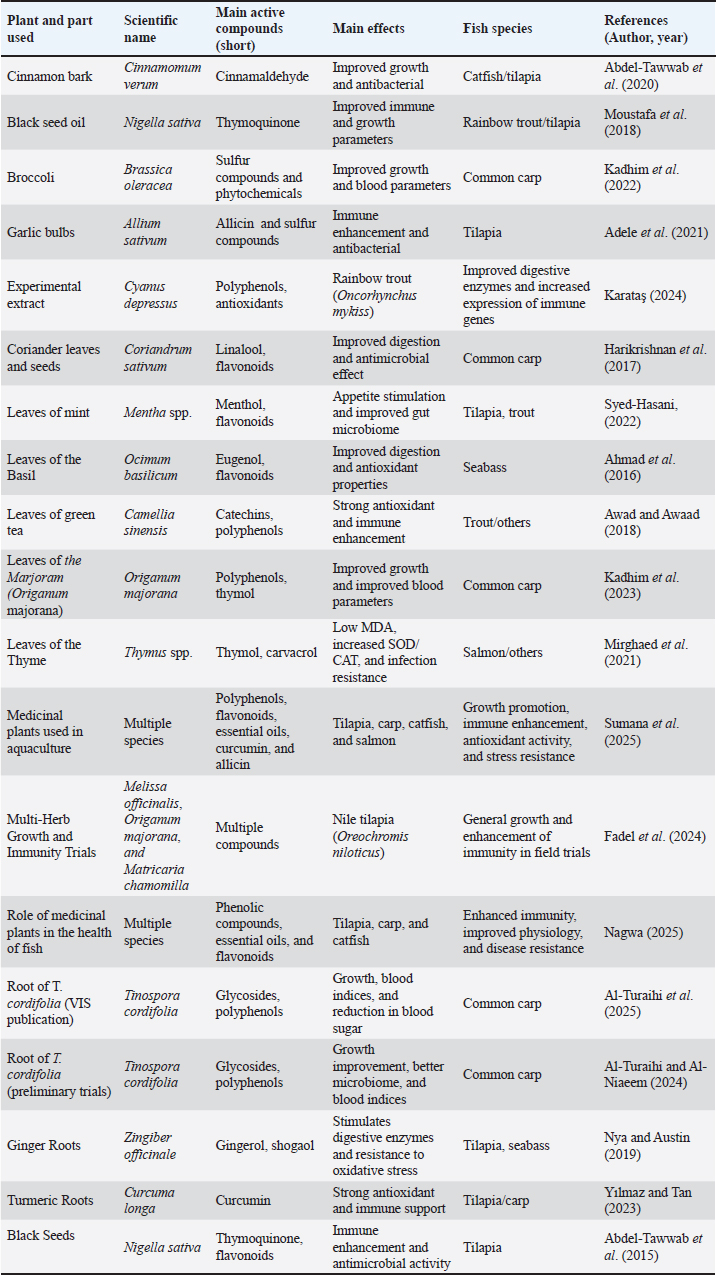
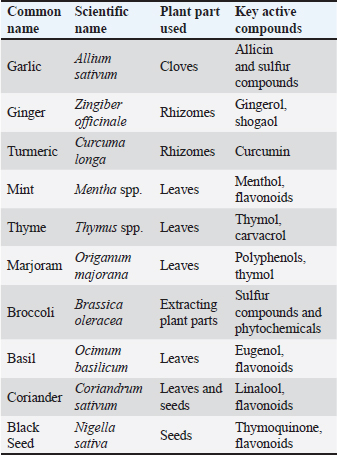
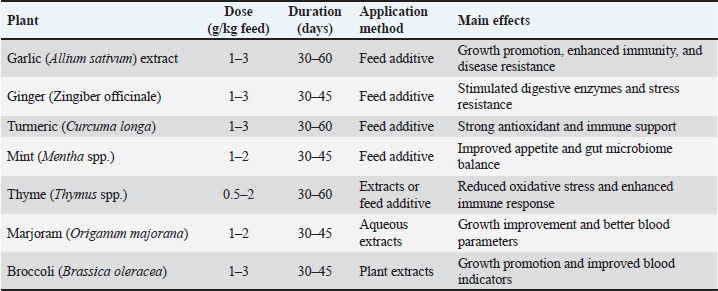
AbstractMedicinal plants and extracts are natural food additives used in aquacultures to improve fish health by improving immune performance, promoting growth, promoting disease resistance, and reducing oxidative stress. A review of recent scientific studies from 2015 to 2025 was conducted to summarize the plant species and extracts used, their biological mechanisms of action, effective dosages, and methodological challenges. The phenolic compounds, volatile oils, and antioxidants present in these plants enhance the activity of digestive enzymes and stimulate nonspecific immunity, thereby improving fish health and production quality. This review discusses the significant benefits of medicinal plants and extracts. There is a need to standardize experiments and analyze long-term safety and establish regulation standards to ensure the quality of products and their sustainable application in aquacultures. Keywords: Disease resistance, Growth, Immune, Medicinal plant, Plant extracts. IntroductionAquaculture is an important source of animal protein worldwide and has expanded significantly in recent years to meet growing food demand, particularly with the decrease in wild fisheries (FAO, 2020). The aquaculture industry faces several challenges, including the spread of infectious diseases that affect fish productivity and quality (Syed-Hasani, 2022). Antibiotics are extensively used in aquaculture to manage bacterial pathogens and improve fish performance (Dawood et al., 2017; Chen et al., 2020; Chowdhury et al., 2022). However, the continued use of aquaculture antibiotics has enhanced the natural selective pressures on microbial communities, leading to the emergence of antibiotic-resistant strains that are capable of widespread dissemination and causing severe infections (Gao et al., 2012; Jumma, 2024; Oday et al., 2024). These resistant bacteria can negatively impact aquaculture production, fish consumers, and aquatic environments (Watts et al., 2017; Elsabagh et al., 2018; Won et al., 2020). Antibiotic resistance is currently the most serious global threat to the effective treatment of bacterial infections. This bacterial resistance to antibiotics is due to reduced reliance on antibiotics due to their negative environmental effects and the emergence of microbial resistance (Cabello, 2006; Al-Shammari, 2023; Sabah et al., 2024). Therefore, research efforts have focused on adopting sustainable natural alternatives that enhance fish health and support their growth, most notably the use of plant extracts and medicinal plants (Tadese et al., 2021; Qaddoori, 2023; Elgendy et al., 2024; Fadel et al., 2025). Medicinal plants are defined as those that contain biologically active compounds such as volatile oils, flavonoids, and phenols, which are used for therapeutic or medicinal purposes in the fisheries fields and veterinary (Yılmaz and Tan, 2023; Ahmed, 2023). Plant extracts are concentrated compounds from plants extracted by using various methods, such as organic solvents, used to improve disease resistance and enhance immunity in fish more effectively than whole plants (Soltani, 2019; Attia et al., 2025; Bashar et al., 2025). Studies indicate that these substances work in multiple ways, including improving digestion by stimulating the secretion of digestive enzymes, modifying the intestinal microbial balance, and enhancing nonspecific immune defenses, which positively impacts growth rates and resistance to environmental stresses (Syed-Hasani, 2022; Essa et al., 2025; Sarmad et al., 2025). Additionally, the dietary administration of peppermint promotes growth performance and increases the main humoral immune parameters (both at mucosal and systemic level) and the number of the endogenous lactic acid bacteria of brown trout (Adel et al., 2015; Al-Turaihi, 2023; Samer, 2023; Al-Shammari, 2025; JaliI et al., 2025). The primary aims of this review are fourfold. First, it seeks to synthesize and critically evaluate current scientific evidence regarding the role of medicinal plants and their extracts in improving fish nutrition, growth, and immune responses. Second, it aims to identify the most effective dosages, preparation techniques, and administration methods employed in aquaculture systems. Third, the review assesses the methodological discrepancies, experimental constraints, and interpretive limitations that characterize existing studies, thereby clarifying factors that may influence the reliability or generalizability of results. Finally, it proposes informed recommendations for future research and outlines pathways for translating experimental findings into sustainable, large-scale industrial applications. A review of published studies from 2015 to 2025 for the effects of medicinal plants and extracts on fish from 2015 to 2025The review was conducted on studies published from 2015 to 2025. The studies on fish were selected according to the effects of medicinal plants and extracts on growth indicators, immunity, resistance to disease, and physiological and chemical characteristics of fish. The studies were classified by the types of substances (whole plant versus concentrated extract), fish species, and application methods (feed additive, growth promoter, or immunomodulation). Studies from 2015 to 2025 (Table 1) showed that the addition of whole medicinal plants to fish feeds resulted in a significant improvement in growth and immunity performance across various studies using intermediate concentrations of whole plants or extracts. In addition, some studies have indicated that the mixture of probiotics and herbs (2019, 2024) demonstrated synergistic effects, resulting in greater enhancement of both growth and immunity. The results from the two tables indicate that the use of medicinal plants as feed additives in aquacultures has become a growing field over the past decade (2015–2025), as numerous studies have demonstrated the effectiveness of these plants in enhancing growth, immunity, and feed efficiency. Early studies, as summarized in Tables 2 and 3, demonstrated significant benefits of incorporating 1% garlic (Allium sativum) powder into Nile tilapia feed for 60 days. These dietary additions notably improve hematological parameters, feed conversion efficiency, and growth, primarily due to allicin, a compound known for its antibacterial and immune-stimulation properties (Mehrim, 2015). The administration of allicin (128 µg/ ml) has a substantial effect on the synthesis of extracellular polysaccharide components and their ability to adhere to surfaces, compared to the aline control group (Cutler et al., 2004). Allicin is also notable for its ability to prevent the growth of Pseudomonas aeruginosa biofilms and quorum-sensing-regulate the generation of virulence components by reducing the expression of specific enzymes and toxins (elastase and exotoxin A) (Lihua et al., 2013). Allicin may be a viable option for inhibiting the formation and development of P. aeruginosa biofilms (Lihua et al., 2013). Table 1. Selected studies on whole medicinal plants as dietary and immunostimulant additives in aquaculture (2015–2025).
Table 2. List of medicinal plants used in the studies.
Table 3. Dosages, methods of application, and main effects.
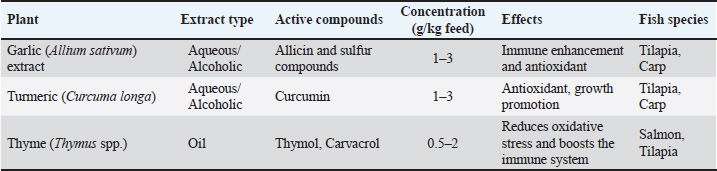
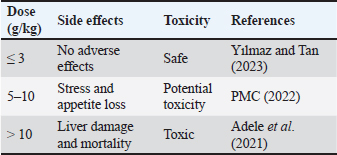
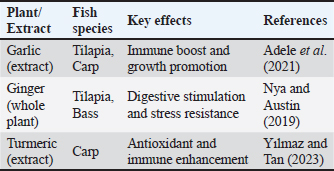
Studies have indicated that garlic extract contributes to immune system strength and growth promotion by improving gut microbiome health and physiological function (Valenzuela-Gutiérrez, 2021; Al-Hasson et al., 2025). Turmeric (Curcuma longa) and its active component curcumin have also drawn attention since 2017. Abdel-Tawwab et al. (2017) reported that curcumin supplementation at doses of 200–400 mg/kg was able to significantly enhance non-specific immunity and resistance to infection caused by Aeromonas hydrophila. Additional evidence corroborates the potent antioxidant effect of curcumin, reduction of oxidative stress, and ability to boost Nile tilapia production (Mahmoud et al., 2017; Al-Niaeem et al., 2025). Recent research has highlighted the potential of curcumin in red tilapia diet, improving growth, blood parameters, and liver function, thereby positioning it as a promising natural alternative to chemical stimulants (Radwan, 2024). Aromatic herbs such as thyme (Thymus spp.) have also been shown to be effective in fish health management. Active compounds such as carvacrol and thymol demonstrate improvement in immune response and reduction in oxidative stress when used in freshwater species such as trout and tilapia between 2018 and 2022. Low doses ranging from 0.5 to 2 g/kg were consistent in delivering stable results (Hafsan, 2022). Additionally, peppermint (Mentha spp.) has proven effective in enhancing appetite and stabilizing the intestinal microbiome, with recent findings highlighting improved growth rates and disease resistance following supplementation over a period of 30–45 days (Zahran, 2020). Studies on basil (Ocimum basilicum) emphasize its versatility in aquaculture applications. Eugenol-rich extract from basil has been shown to improve growth and immunity in trout, besides serving as a naturally sedative during fish transport, a beneficial trait for farm operations (Noorbakhsh, 2024). Similarly, coriander (Coriandrum sativum), known for its linalool content, has a notable advantage in enhancing the immune system and reducing bacterial infection in tilapia through dietary supplementation (Das et al., 2023; Said, 2023). Several studies (2019–2024) have shown that black seed (Nigella sativa) and its thymoquinone compounds play a prominent role in increasing immunity efficiency and reducing inflammation, while improving growth rates in different fish species (Alberts et al., 2024). Based on the above, the period between 2015 and 2025 witnessed an accumulation of knowledge about the importance of medicinal plants in aquaculture, with most studies agreeing that the optimal dosage ranges from 0.5 to 3 g/kg feed for 30–60 days. However, some variability in the results was due to differences in preparation and extraction methods, the fish species studied, and rearing conditions. Therefore, further long-term studies are needed to accurately determine the optimal dosages, standard preparation protocols, and chemical characteristics of extracts, especially in commercial production settings. In general, studies have concluded that whole medicinal plants and concentrated extracts have multifaceted positive effects on fish, including immunity, gut health, and growth. However, appropriate dosages must be selected to avoid toxic effects at higher concentrations. The results of recent studies also indicate that medicinal plants and extracts provide an effective and sustainable biological solution to improve fish health in aquaculture systems, as they combat pathogens, enhance innate immunity, improve digestion, reduce the need for antibiotics, and limit their associated health and environmental risks (Zahran, 2020; Tadese et al., 2021; Valenzuela-Gutiérrez, 2021; Yılmaz and Tan, 2023; Kadhim et al., 2023; Al-Turaihi and Al-Niaeem, 2024; Alberts et al., 2024; Radwan, 2024; Sumana et al., 2025; Abu-Zahra et al., 2025). However, there are clear differences in efficacy depending on the plant type, supplement form (whole plant or extract), concentration used, and target fish species. Concentrated extracts, such as curcumin and garlic, typically exhibit stronger immune-boosting effects, but they require careful dosage adjustment to avoid toxicity or side effects (Yılmaz and Tan, 2023). Factors affecting the use of plants and plant extracts as fish immunostimulantsRecent evidence indicates that the effectiveness of medicinal plants and plant extracts as nutritional and immunological additives in aquaculture largely depends on the plant variety, the plant type, the parts used, such as leaves, roots, or seeds, and the extraction method. These factors affect the concentration of active compounds and, consequently, the plant’s biological efficacy (Tables 4–8) (Dadras et al., 2023; Yılmaz and Tan, 2023). Determining the optimal dosage is essential for achieving the desired benefits, as excessive doses, especially when using concentrated extracts, can lead to toxic effects in fish (Chahardehi et al., 2020; Yılmaz and Tan, 2023; Grădinariu et al., 2025). Among the most prominent active compounds that play a pivotal role in stimulating the immune response and improving growth and disease resistance are allicin in garlic, curcumin in turmeric, and phenols and volatile oils in thyme (Tadese et al., 2021). These plants play an important role in improving the intestinal microbiome of fish by enhancing digestion efficiency, nutrient absorption, and overall digestive health (Syed Hasani, 2022). Plant extracts play a vital role in enhancing the non-specific immune response of fish by stimulating certain degradative enzymes, such as lysozyme, and boosting antioxidant molecules such as superoxide dismutase (SOD) and catalase (CAT). In addition, studies have shown that these extracts provide antioxidant effects that reduce the accumulation of free radicals and oxidative stress, thus supporting fish growth and improving their ability to cope with environmental and infection stresses. From an environmental and economic perspective, the use of medicinal plants reduces the reliance on antibiotics, thus limiting the risks of antibiotic resistance and preserving biodiversity in aquatic environments (Soltani, 2019; Tadese et al., 2021; Syed Hasani, 2022). Despite these benefits, research faces significant challenges, such as variations in experimental design, a lack of long-term studies, and a lack of standardization in protocols, which affects the generalizability of results (Tadese et al., 2021). Local studies are of particular importance, as local plants demonstrate adaptation to local environmental conditions and have proven effective in enhancing fish health and growth. Iraqi research has also shown encouraging results. To maximize the benefits of these additives, it is recommended that they be integrated with modern technology, such as combining plant extracts with probiotics and using artificial intelligence to monitor doses and analyze fish responses, to ensure maximum efficiency and safety (Syed Hasani, 2022). Finally, training and raising awareness for aquaculture workers and farmers is essential to inform them of best practices and to avoid the risk of indiscriminate use of these plant additives. Table 4. Summary of the concentrated plant extracts.
Table 5. Comparison of application methods.
Table 6. Immunological and physiological indicators.
Table 7. Side effects and toxicity evaluation.
Table 8. Analysis of effectiveness by fish species.
Role of medicinal plants in enhancing aquaculture sustainability through water quality improvement and bioremediationIn recent years, there has been a growing interest in using medicinal plants as natural solutions to improve water quality in aquaculture systems with environmental sustainability because water quality is important to keep fish healthy and productive (Barman, 2020; Effendi et al., 2022). This plant contains active compounds, such as phenols, alkaloids, and volatile oils, which have a double action and help reduce organic and chemical pollution from water by enhancing beneficial microbe activity for the biodegradation of fish organic and waste matter accumulation in ponds (Kumar, 2021; Demarco et al., 2023). Studies indicate that the application of medicinal plant extracts to aquaculture systems could effectively reduce ammonia, nitrate, and phosphate concentrations and hinder harmful algae proliferation (Yusoff et al., 2024; Zhou, 2024). Plants such as basil, mint, and turmeric can be antibacterial (Ilić et al., 2021). Inhibition of pathogenic bacteria reduces the reliance on chemical antibiotics (Hlordzi, 2020). The benefits extend beyond improving fish health to the overall environmental stability of the aquaculture system (Demarco et al., 2023; Majeed et al., 2025). Result in an operationally efficient system that reduces the negative effects on the surrounding ecosystem. Medicinal plants can also be used as natural bioremediation agents because they can absorb heavy metals and organic pollutants through both their roots and leaves (Barman, 2020; Effendi et al., 2022). They also encourage the growth of pollutant-degrading microorganisms, resulting in a clean and more stable aquatic environment. When applied along with new farming methods, such as water reuse and integrated aquaculture systems, these plants increased the environmental advantage by reducing waste and supporting a greater degree of sustainability in fishery operations. The addition of medicinal plants to aquaculture activities shows potential as a method for improving water conditions, fish health, and reducing environmental effects. This fits with the latest changes in intelligent and last-generation aquaculture systems. It provides a route to greener and more effective actions in the field (Barman, 2020; Effendi et al., 2022; Demarco et al., 2023; Majeed et al., 2025). Immune enhancement and mechanisms of environmental adaptation of fish by using medicinal plantsClimate change poses increasing challenges to aquacultures, as increased stress, fluctuating water quality, and rising temperatures in ecosystems lead to weakened immunity and the spread of diseases among fish (Okon and Mbokane, 2024). To respond to these pressures, the use of medicinal plants has emerged as a natural means to enhance the ability of fish to adapt to environmental changes (Sumana et al., 2025). A medicinal plant contains biologically active compounds, such as volatile oils, flavonoids, and phenols, which enhance innate and adaptive immunity responses in fish (Dev et al., 2024). When extracts of these plants are introduced to water or feed, the following occurs:
Examples of medicinal plants used
Environmental and productive benefitsThe targeted application of medicinal plants plays a vital role in mitigating diseases and boosting immunity in fish, enabling them to better withstand abrupt environmental changes, such as water contamination, oxygen shortage, and temperature shifts (Combe et al., 2023; Okon and Mbokane, 2024). This approach promotes steady production and enhances the long-term sustainability of the aquaculture system, while decreasing the reliance on chemical treatment and antibiotics, thereby reducing environmental harm (Reverter et al., 2020). Research highlights the efficiency of medicinal plants in supporting fish adaptation to the challenge posed by climate change. By strengthening immune responses, tackling pathogens, and improving resilience to environmental stressors, these plants help maintain sustainable, productive, and overall fish health in unpredictable conditions. Integrating medicinal plants into intelligent aquaculture. Future applicationsScientific investigations have underscored the pivotal role of plant diversity in enhancing the nutritional and immunomodulatory properties of medicinal plants used in aquaculture. The efficacy of these plants varies according to the species, the specific plant part utilized, and the extraction method applied, thereby necessitating a comprehensive evaluation of each plant to determine the optimal conditions for use. Consequently, the development of concentrated plant extracts enriched with bioactive compounds, such as phenolics, curcumin, and allicin, is expected to gain increasing importance. This strategy emphasizes precise dose optimization to maximize therapeutic benefit while minimizing effects of potential toxicity (Syed Hasani, 2022; Yılmaz and Tan, 2023; Sarmad et al., 2025). Furthermore, the beneficial effect of these plant-based interventions on gut microbiome balance can be harnessed to promote fish health and improve feed conversion efficiency, thereby supporting more sustainable aquaculture practices (Syed Hasani, 2022). In addition to their nutritional benefits, phytochemicals also stimulate non-specific immunity, providing a natural defense against common pathogens such as Aeromonas hydrophila (Nadia et al., 2025). This approach reduces the reliance on antibiotics and mitigates the emergence of bacterial resistance, thereby addressing major challenges in modern aquaculture (Soltani, 2019; Semwal et al., 2023). The protocols of applying these plant supplements in practice are as follows:
On the environmental and economic levels, the use of these naturally additives enhances environmental sustainability and reduces chemical pollution in the aquatic environment, as well as reducing production costs associated with the use of antibiotics and traditional treatments. On the other hand, the field faces challenges such as the lack of long-term studies and variations in experimental design, which requires a standard, research protocols, and unified evaluation criteria (Tadese, 2021). ConclusionRecent research highlights the effectiveness of medicinal plants and plant extracts as natural solutions for boosting immunity and growth in fish. These additives help reduce antibiotic dependence while supporting aquaculture’s environmental and economic sustainability. Their Benefits paid primarily by mechanisms such as improving gut microbiome health, stimulating non-specific immunity, and enhancing antioxidant activity. However, despite the significant benefits of medicinal plants and extracts, there is a need to standardize experiments and analyze long-term safety and establish regulation standards to ensure the quality of products and their sustainable application in aquacultures. These studies confirm the need for long-term research to assess the safety and effectiveness of medicinal plants and concentrated extracts across different fish species. These investigations are crucial for achieving the intended benefits while minimizing the potential risks. This study further advocates for the development of a clear protocol to identify optimal dosages and suitable application methods tailored to specific plants and fish species, building on the experimental designs outlined in earlier studies. Moreover, it promotes the integration of medicinal plants with advanced biotechnology, such as probiotics and artificial intelligence, to enhance the monitoring of nutritional and immune health and ensure safer and more efficient applications. The study also underlines the importance of training and awareness programs for farmers and aquaculture workers, enabling them to adopt best practices and avoid the indiscriminate use of plant-based additives. Finally, it calls for ongoing environmental evaluation to analyze the effect of plant extracts on aquatic ecosystems, especially when applied on a commercial scale, to safeguard the sustainability of the environment and maintain safe fish production. AcknowledgmentsWe acknowledge the help and support provided by the Faculty of Agriculture, University of Basrah, for conducting this research work. Conflict of interestThe authors have no conflicts of interest to declare. FundingNo grant was received for this study, and it has been self-funded. Authors’ contributionsDr. Khalidah S. Al-Niaeem was the corresponding author of this article. Kadhim H. Al-Kanani, Amjed K. Resen, Qusai S. Jumma and Ali A. Abd was responsible for study observations and research management. These authors contributed equally contributed equally to this work. Data availabilityAll data are provided in the revised manuscript. ReferencesAbdel-Tawwab, M., Adeshina, I., Jenyo-Oni, A., Ajani, E.K. and Emikpe, B.O. 2017. Growth, physiological, antioxidants, and immune response of African catfish (Clarias gariepinus B.) fed diets supplemented with turmeric (Curcuma longa) powder. Aquacult. Repor. 6, 64–70. Abdel-Tawwab, M., Khalil, R.H. and Metwally, A.A. 2020. Dietary cinnamon (Cinnamomum verum) improves growth and disease resistance in African catfish. Aquacult. Res. 51(3), 1005–1016. Abdel-Tawwab, M., Khattab, Y.A.E., Ahmad, M.H. and Shalaby, A.M. 2015. Effect of dietary black cumin seeds (Nigella sativa) on growth performance, feed utilization, and health status of Nile tilapia Oreochromis niloticus. Aquacult. Res. 46(2), 292–303. Abubakar, A.R. and Haque, M. 2020. Preparation of Medicinal Plants: basic Extraction and Fractionation Procedures for Experimental Purposes. J. Pharm. Bioal. Sci. 12(1), 1–10. Abu-Zahra, S., Ali, I., Abou, Z. and Mayada, A. 2025. The role of medicinal plants in aquaculture: enhancing fish health, physiology, and resistance to infections Nagwa, I. 25–37. Adel, M., Safari, R., Pourgholam, R., Zorriehzahra, J. and Esteban, M. 2015. Dietary peppermint (Mentha piperita) extracts promote growth performance and increase the main humoral immune parameters (both at mucosal and systemic level) of Caspian brown trout (Salmo trutta caspius Kessler, 1877). Fish Shellfish Immune 47(1), 623–629. Ahmad, M.H., Abdel-Tawwab, M. and Khattab, Y.A.E. 2016. Effect of basil (Ocimum basilicum) on growth performance, feed utilization, and health status of European sea bass. Aquacult. Nutrit. 22(4), 837–845. Ahmed Et Al., A.R. 2023. The effect of Shilajit on growth performance, blood parameters, and key liver enzymes of the common carp (Cyprinus carpio). Egypt. J. Aquat. Biol. Fish. 27(4), 683–693. Al-Shammari, S. 2025. The resistance of aeromonas bacteria to antibiotics and the effectiveness of lactic acid bacteria against pathogenic strains in Cyprinus carpio L. Egyptian J. Aquat. Biol. Fish. 29(1), 747–758. Al Shammari Et Al., N.A.H. 2023. Molecular identification of some zoonotic bacteria isolated from fishes Cyprinus carpio L. and Oreochromis niloticus (L.). Egypt. J. Aquat. Biol. Fish. 27(4), 1047–1062. Alberts, A., Al-Tamimi, A. and Hassan, M. 2024. Nigella sativa: therapeutic review with emphasis on thymoquinone in aquaculture. Internat. J. Mol. Scie. 25(24), 13410. Al-Hasson, H.A.H., Al-Niaeem, K.S. and Elbour, M. 2025. Effects of dietary pumpkin seed flour (Cucurbita pepo) supplementation on growth, physiological condition, and resistance to pathogens challenge in Cyprinus carpio. Open Vet. J. 15(9), 4418–4431. Al-turaihi Et Al., Z.M.R. 2023. Effect of dietary Tinospora cordifolia supplementation on growth performance and hemato-biochemical parameters of the common carp (Cyprinus carpio). Egypt. J. Aquat. Biol. Fish. 27(5), 677–688. Al-Turaihi, S. and Al-Niaeem, K.S. 2024. Effect of Tinospora cordifolia on growth and immunity of common carp. Basrah J. Agricult. Scie. 36(1), 29–38. Al-Turaihi, T.H., Hassan, M.A. and Al-Niaeem, K.S. 2025. Application of Tinospora cordifolia as an herbal additive in aquaculture. Vet. Immunol. Immunopath. 259, 111718. Al-Niaeem, K. S., Al-Shammari, N., Al-Hawash, A. B., Abomughaid, M. and Elbaghdady, H. A. M. 2025. Comparative study of mortalities, clinical manifestations, antioxidant-associated genes, and histopathological degeneration upon experiment infection by Aeromonas hydrophila in Cyprinus carpio and Oreochromis niloticus. Open veterinary journal, 15(7), 3012–3023. Attia, M. M., Abdelsalam, M., Mohamed, H. I. Azizeh, S., Asmaa, W. S. and Mohamad, W. 2025. Punica granatum extract demonstrates antiparasitic effects against Caligus clemensi through in silico and in vitro studies. Sci Rep 15, 35005. Awad, A.M., Kumar, P., Ismail-Fitry, M.R., Jusoh, S., Ab Aziz, M.F. and Sazili, A.Q. 2021. Green extraction of bioactive compounds from plant biomass and their application in meat as natural antioxidant. Antioxidants 10(9), 1465. Awad, E. and Awaad, A. 2018. Role of medicinal plants on growth performance and immune status in fish. Fish Shellfish Immunol. 80, 37–44. Bashar, S. N., Qusai, S. J., Raghad, Z. and Sulaiman, M. S. 2025. Preventive and Ameliorative Role of Lactoferrin in Improving Blood, Lipid and Liver Profiles Toward Immune Homeostasis in Lipopolysaccharides (LPS) Induced Dysregulation of Bio-Vital Parameters in the Common Carp (Cyprinus carpio). Egyptian J Aquat Biol Fish., 29(2): 1173 – 1180. Barman, D. 2020. Bioremediation of waste waters and application in aquaculture—a mini review. Res. Biotica 2(1), 20–25. Cabello, F.C. 2006. Heavy use of prophylactic antibiotics in aquaculture: a growing problem for human and animal health and for the environment. Environ. Microbiol. 8(7), 1137–1144. Chahardehi, A.M., Arsad, H. and Lim, V. 2020. Zebrafish as a Successful Animal Model for Screening Toxicity of Medicinal Plants. Plants (Basel. Switzerland). 9(10), 1345. Chen, J., Sun, R., Pan, C., Sun, Y., Mai, B. and Li, Q.X. 2020. Antibiotics and Food Safety in Aquaculture. J. Agric. Food Chem. 68, 11908–11919. Chowdhury, S., Rheman, S., Debnath, N., Delamare-Deboutteville, J., Akhtar, Z., Ghosh, S., Parveen, S., Islam, K., Islam, M.A., Rashid, M.M., Khan, Z.H., Rahman, M., Chadag, V.M. and Chowdhury, F. 2022. Antibiotics Usage Practices in Aquaculture in Bangladesh and Their Associated Factors. One Health 15, 100445. Combe, M., Reverter, M., Caruso, D., Pepey, E. and Gozlan, R.E. 2023. Impact of Global Warming on the Severity of Viral Diseases: a Potentially Alarming Threat to Sustainable Aquaculture Worldwide. Microorgan 11(4), 1049. Cutler, R.R. and Wilson, P. 2004. Antibacterial activity of a new, stable, aqueous extract of Allicin against methicillin-resistant Staphylococcus aureus. Br. J. BioMed. Sci. 61, 71–74. Dadras, F., Velisek, J. and Zuskova, E. 2023. An update about beneficial effects of medicinal plants in aquaculture: a review. Vet. Med. 68(12), 449–463. Das, S., Kumar, A. and Pandey, P. 2023. Effects of coriander (Coriandrum sativum) oil on health and disease resistance in Nile tilapia (Oreochromis niloticus). Aquacult. Repor. 31, 101702. Dawood, M.A., Koshio, S. and Esteban, M. 2017. Beneficial Roles of Feed Additives as Immunostimulants in Aquaculture: a Review. Rev. Aquac. 10, 950–974. Demarco, C.F., Quadro, M.S., Selau Carlos, F., Pieniz, S., Morselli, L.B.G.A. and Andreazza, R. 2023. Bioremediation of Aquatic Environments Contaminated with Heavy Metals: a Review of Mechanisms, Solutions and Perspectives. Sustainability 15(2), 1411. Dev, A., Thakur, R. and Yadav, S. 2024. Deciphering the importance of herbal immunostimulants in aquaculture, using citation network analysis: a futuristic sustainable approach. Comparative. Immunol. Microbial. Drug. Discovery. 6, 200129. Effendi, I., Yoswaty, D., Syawal, H., Austin, B., Lyndon, A.R., Kurniawan, R., Wahyuni, S. and Al-Harbi, A. 2022. The Use of Medicinal Herbs in Aquaculture Industry: a Review. Curr. Aspects. Pharm. Res. Develop. 7, 7–20. Elgendy, M.Y., Ali, S.E., Dayem, A.A., Khalil, R.H., Moustafa, M.M. and Abdelsalam, M. 2024. Alternative therapies recently applied in controlling farmed fish diseases: mechanisms, challenges, and prospects. Aquacult. Int. 32, 9017–9078. Elsabagh, M., Mohamed, R., Moustafa, E.M., Hamza, A., Farrag, F., Decamp, O., Dawood, M.A.O. and Eltholth, M. 2018. Assessing the Impact of Bacillus Strains Mixture Probiotic on Water Quality, Growth Performance, Blood Profile and Intestinal Morphology of Nile Tilapia, Oreochromis niloticus. Aquacult. Nutr. 24, 1613–1622. Essa, M., Kadori, A., Suleiman, J.M., Jumma, Q. and Aziz, A. 2025. Evaluation of the Quality of Fish Storage, Isolation and Identification of the Bacteria Escherichia coli and Aeromonas hydrophila. Egypt. J. Aquat. Biol. Fish. 29(5), 455–468. Fadel, A., El Basuini, M.F., Teiba, I.I., Metwally, M.M., El-Dakar, A.Y., Helal, A.M. and Abdel-Tawwab, M. 2024. Growth, immunomodulatory, histopathological, and physiological responses of Nile tilapia fed diets supplemented with herbal extracts under prolonged water exchange. Front. Mar. Sci. 11, 1473053. Fadel, A., Khafage, A., Abdelsalam, M. and Abdel-Rahim, M.M. 2025. Comparative evaluation of three herbal extracts on growth performance, immune response, and resistance against Vibrio parahaemolyticus in Litopenaeus vannamei. BMC Vet. Res. 21, 166. FAO. 2020. The State of World Fisheries and Aquaculture 2020. Sustainability in action. Rome. Gao, P., Mao, D., Luo, Y., Wang, L., Xu, B. and Xu, L. 2012. Occurrence of Sulfonamide and Tetracycline-Resistant Bacteria and Resistance Genes in Aquaculture Environment. Water. Res. 46, 2355–2364. Grădinariu, L., Crețu, M., Vizireanu, C. and Dediu, L. 2025. Oxidative Stress Biomarkers in Fish Exposed to Environmental Concentrations of Pharmaceutical Pollutants: a Review. Biology 14(5), 472. Hafsan. and H. 2022. Dietary thymol supplementation improved growth and immune parameters in rainbow trout (Oncorhynchus mykiss). Fishes 7(1), 9. Harikrishnan, R., Balasundaram, C. and Heo, M.S. 2017. Impact of coriander (Coriandrum sativum) on the innate immunity and disease resistance of common carp (Cyprinus carpio). Fish. Shellfish. Immunol. 66, 429–437. Hlordzi. and V. 2020. The use of Bacillus species in maintenance of water quality in aquaculture. Aquacult. Repor. 18, 100503. Ilić, Z.S., Milenković, L., Šunić, L., Tmušić, N., Mastilović, J., Kevrešan, Z., Stanojević, L., Danilović, B. and Stanojević, J. 2021. Efficiency of Basil Essential Oil Antimicrobial Agents under Different Shading Treatments and Harvest Times. Agronomy 11(8), 1574. Jalii, S., Khaudeyer, K. and Najim, S.M. 2025. A Review Studies on Role of Lactic Acid Bacteria in Improved Growth, Enhancing Immunity and Gut Health in Fish Farming. Egypt. J. Aquat. Biol. Fish. 29(5), 197–212. Jumma, Q.S. 2024. Detection of ESBL E. coli That Carried STX1 and STX2 Form Common Carp (Cyprinus carpio) in Salhaldeen Province, Egypt. J. Vet. Sci. 55(4), 1165–1170. Kadhim, A.H., Yesser, A.T. and Al-Niaeem, K.S. 2022. Effect of broccoli (Brassica oleracea) extract on growth performance and hematology of common carp (Cyprinus carpio). Basrah J. Agricult. Scie. 35(2), 45–53. Kadhim, A.H., Yesser, A.T. and Al-Niaeem, K.S. 2023. Effect of Marjoram (Origanum majorana) extract on growth and hematological parameters of common carp. Basrah. J. Agricult. Scie. 36(1), 29–38. Karataş. and B. 2024. Dietary Cyanus depressus (M. Bieb.) Soják plant extract enhances growth performance, modulates intestinal microbiota, and alters gene expression associated with digestion, antioxidant, stress, and immune responses in rainbow trout. Aquacult. Internat. 32(4), 7929–7951. Kumar, V., Roy, S., Behera, B.K., Swain, H.S. and Das, B.K. 2021. Biofloc Microbiome With Bioremediation and Health Benefits. Front. Microbial. 12, 741164. Lihua, L., Jianhui, W., Jialin, Y., Yayin, L. and Guanxin, L. 2013. Effects of Allicin on the formation of Pseudomonas aeruginosa biofilm and the production of quorum-sensing controlled virulence factors. Pol. J. Microbiol. 62, 243–251. Mahmoud, H.K. 2017. Dietary Curcumin supplementation influence on growth, immunity, antioxidant status and resistance to Aeromonas hydrophila in Nile tilapia (Oreochromis niloticus). Fish. Shellfish. Immunol. 67, 40–46. Majeed, L.R., Sharma, D., Rautela, K.S. and Kumar, M. 2025. Sustainable agriculture, aquaculture and phytoremediation through freshwater macrophytes: a comprehensive review of mineral uptake, soil health, and water quality dynamics. Discov. Water. 5(1), 1. Mehrim, A.I. 2015. Evaluation of dietary Garlic (Allium sativum) supplementation on growth performance, feed utilization and some blood biochemical parameters of Nile tilapia (Oreochromis niloticus). Egypt. J. Aquatic Res. 41(2), 211–217. Mirghaed, A.T., Ghelichpour, M. and Hoseini, S.M. 2021. Thyme (Thymus spp.) extract improves antioxidant status and disease resistance in salmonids. Aquacult. Repor. 20, 100701. Moustafa, E.M., El-Dakar, A.Y. and Abdel-Tawwab, M. 2018. Growth performance and immune response of Nile tilapia fed diets supplemented with black seed oil. Aquacult. Internat. 26(2), 593–606. Nadia, A. H., Khalidah, S., Adnan, B., Mosleh, M. and Allah, M. Elbaghdady. 2025. Comparative study of mortalities, clinical manifestations, antioxidant-associated genes, and histopathological degeneration upon experiment infection by Aeromonas hydrophila in Cyprinus carpio and Oreochromis niloticus. Open Vet. J. 15(7), 3012-3023. Noorbakhsh, M.F. 2024. Basil extract improves growth performance and immunity in rainbow trout (Oncorhynchus mykiss). Fishes 9(7), 374. Nya, E.J. and Austin, B. 2019. Use of ginger (Zingiber officinale) as an immunostimulant in aquaculture. Fish Shellfish Immunol. 78, 414–423. Oday, A. A., Firas, A. H., Qusai, S. J. and Marwa, A. H. 2024. Histological Investigation of the Skin Structure in the Common Carp (Cyprinus carpio) and the Catfish (Silurus triostegus): Aquatic Environment Adjustment. Egyptian J. Aquat. Biol. Fish. 28(6), 2219–2228. Qaddoori Et Al., M.S. 2023. Effects of Some Dietary Additives on Growth and Health Status of the Young Common Carp Cyprinus carpio. Egypt. J. Aquat. Biol. Fish. 27(2), 221–239. Radwan. and H. 2024. Dietary Curcumin enhances growth, feed efficiency, and health status of red tilapia. Aquac. Int. , doi: 10.1007/s10499-024-01500-9 Reverter, M., Sarter, S., Caruso, D., Avarre, J.C., Combe, M., Pepey, E., Pouyaud, L., Vega-Heredía, S., De Verdal, H. and Gozlan, R.E. 2020. Aquaculture at the crossroads of global warming and antimicrobial resistance. Nature Commun. 11(1), 1870. Sabah, M., Qusai, J. and Ali, A. 2024. Oxidative Stress and Blood Parameters Affected by Carbaryl Insecticide in Cyprinus carpio. Egyptian J Aquat Biol Fish., 28(6), 2195–2201. Said, A.A. 2023. Contribution of Coriandrum sativum in enhancing immunity and antioxidant status in Nile tilapia. Sci. Rep. 13, 20567. Samer, S. A., Khalidah, S. A. and Raaed, S. A. 2023. Assessment of Valerian (Valeriana officinalis) on Common Carp, Cyprinus carpio: Anesthesia. IOP Conf. Ser. NCENR Basrah, Iraq. Earth Environ. Sci. 1215, 012061. Sarmad, J., Al-Niaeem, K. and Najim, S. 2025. Evaluation of commercial probiotic product on immune function of common carp (Cyprinus carpio). Egyptian J. Aquat. Biol Fish. 29, 5277–5288. Semwal, A., Kumar, A. and Kumar, N. 2023. A review on pathogenicity of Aeromonas hydrophila and their mitigation through medicinal herbs in aquaculture. Heliyon 9(3), e14088. Soltani,M. 2019a. Adjuvant effects of medicinal herbs and probiotics for fish vaccines. Rev. Aquacult. 11(1), 122–139. Soltani,M. 2019b. Synergistic effects of herbal extracts and probiotics in aquaculture. Rev. Aquacult. 11(4), 1345–1361. Springer. and P. 2024. Experimental evaluation of Cyanus depressus extract in rainbow trout (Oncorhynchus mykiss). Aquacult. Repor. 22, 101128. Sumana, S.L., Xue, T., Hu, H., Abdullateef, M.M., Shui, Y. and Ayana, G.U. 2025. Medicinal plants as ecological solutions for fish growth and immunostimulatory effects in aquaculture. Aquacult. Res. Edu. 9778623, 1-22. Syed-Hasani, A.H. 2022. Selected herbs as growth promoters in aquaculture. Res. Vet. Scie. Med. 2(1), 45–56. Syed-Hasani, B. 2022. Dietary peppermint (Mentha spp.) improves gut microbiota and growth in aquaculture species. Aquacult. Nutrit. 28(2), 765–774. Tadese, D.A., Song, C. and Sun, C. 2021. The role of currently used medicinal plants in aquaculture and their action mechanisms: a review. Rev. Aquacult. 14(2), 816–847. Tadese, F., Gebremedhin, B. and Tesfaye, A. 2021. Dietary Garlic (Allium sativum) supplementation enhances immune responses and growth in Nile tilapia. Aquacult. Internat. 29, 175–188. Valenzuela-Gutiérrez. and R. 2021. Exploring the properties of Garlic (Allium sativum) for fish aquaculture: growth and health benefits. Peer. J. 9, e11934. Watts, J., Schreier, H., Lanska, L. and Hale, M. 2017. The Rising Tide of Antimicrobial Resistance in Aquaculture: sources, Sinks and Solutions. Mar. Drugs 15, 158. Won, S., Hamidoghli, A., Choi, W., Bae, J., Jang, W.J., Lee, S. and Bai, S.C. 2020. Evaluation of Potential Probiotics Bacillus Subtilis WB60, Pediococcus Pentosaceus, and Lactococcus Lactis on Growth Performance, Immune Response, Gut Histology and Immune-Related Genes in Whiteleg Shrimp, Litopenaeus Vannamei. Microorganisms 8, 281. Yılmaz, E. and Tan. 2023. Curcumin supplementation in aquaculture: growth and immunity enhancement. Fish. Physiol. Bioch. 49, 341–353. Yusoff, F. M., Umi, W. A. D., Ramli, N. M. and Harun, R. 2024. Water quality management in aquaculture. Cambridge Prisms: Water, 2, e8. Zahran,E. 2020. Dietary peppermint (Mentha piperita) supplementation improves growth, immunity and disease resistance of Nile tilapia. Aquacult. Res. 51(2), 845–854. Zhou, Q. 2024. Bio-ecological remediation of freshwater aquaculture environments. Water Biol. Secu. 3, 100229. | ||


| How to Cite this Article |
| Pubmed Style Al-niaeem KS, Al-kanani KH, Resen AK, Jumma QS, Abd AA. Use of medicinal plants and plant extracts as nutritional and immunological additives in aquaculture: A review study. Open Vet. J.. 2026; 16(1): 15-25. doi:10.5455/OVJ.2026.v16.i1.2 Web Style Al-niaeem KS, Al-kanani KH, Resen AK, Jumma QS, Abd AA. Use of medicinal plants and plant extracts as nutritional and immunological additives in aquaculture: A review study. https://www.openveterinaryjournal.com/?mno=285092 [Access: June 26, 2026]. doi:10.5455/OVJ.2026.v16.i1.2 AMA (American Medical Association) Style Al-niaeem KS, Al-kanani KH, Resen AK, Jumma QS, Abd AA. Use of medicinal plants and plant extracts as nutritional and immunological additives in aquaculture: A review study. Open Vet. J.. 2026; 16(1): 15-25. doi:10.5455/OVJ.2026.v16.i1.2 Vancouver/ICMJE Style Al-niaeem KS, Al-kanani KH, Resen AK, Jumma QS, Abd AA. Use of medicinal plants and plant extracts as nutritional and immunological additives in aquaculture: A review study. Open Vet. J.. (2026), [cited June 26, 2026]; 16(1): 15-25. doi:10.5455/OVJ.2026.v16.i1.2 Harvard Style Al-niaeem, K. S., Al-kanani, . K. H., Resen, . A. K., Jumma, . Q. S. & Abd, . A. A. (2026) Use of medicinal plants and plant extracts as nutritional and immunological additives in aquaculture: A review study. Open Vet. J., 16 (1), 15-25. doi:10.5455/OVJ.2026.v16.i1.2 Turabian Style Al-niaeem, Khalidah S., Kadhim H. Al-kanani, Amjed K. Resen, Qusai S. Jumma, and Ali A. Abd. 2026. Use of medicinal plants and plant extracts as nutritional and immunological additives in aquaculture: A review study. Open Veterinary Journal, 16 (1), 15-25. doi:10.5455/OVJ.2026.v16.i1.2 Chicago Style Al-niaeem, Khalidah S., Kadhim H. Al-kanani, Amjed K. Resen, Qusai S. Jumma, and Ali A. Abd. "Use of medicinal plants and plant extracts as nutritional and immunological additives in aquaculture: A review study." Open Veterinary Journal 16 (2026), 15-25. doi:10.5455/OVJ.2026.v16.i1.2 MLA (The Modern Language Association) Style Al-niaeem, Khalidah S., Kadhim H. Al-kanani, Amjed K. Resen, Qusai S. Jumma, and Ali A. Abd. "Use of medicinal plants and plant extracts as nutritional and immunological additives in aquaculture: A review study." Open Veterinary Journal 16.1 (2026), 15-25. Print. doi:10.5455/OVJ.2026.v16.i1.2 APA (American Psychological Association) Style Al-niaeem, K. S., Al-kanani, . K. H., Resen, . A. K., Jumma, . Q. S. & Abd, . A. A. (2026) Use of medicinal plants and plant extracts as nutritional and immunological additives in aquaculture: A review study. Open Veterinary Journal, 16 (1), 15-25. doi:10.5455/OVJ.2026.v16.i1.2 |


