





| Research Article | ||
Open Vet. J.. 2026; 16(6): 3620-3630 Open Veterinary Journal, (2026), Vol. 16(4): 3620-3630 Research Article Multifactorial analysis of Capillaria infections in domestic chickens, epidemiological, pathological, and control approachesNasib Khan1,2*, Wali Khan1, Wajid Ali1, Mohammad Shoaib3, Veronica Phetla4, Patricio R. De los Rios-Escalante5,6, Sara A. Althubyani7 and Ruoa Saleh Almahallawi81Department of Zoology, University of Malakand, Lower Dir Pakistan 2Government Degree College Thana, District Malakand, Khyber Pakhtunkhwa, Pakistan 3Department of Pharmacy, University of Malakand, Lower Dir Pakistan 4Foundational Biodiversity Science, South African National Biodiversity Institute, Pretoria, South Africa 5Department of Biological and Chemical Sciences Faculty of Natural Resources, Catholic University of Temuco, Temuco, Chile 6Núcleo de Estudios Ambientales, Facultad de Recursos Naturales, Universidad Católica de Temuco, Chile 7Department of Biology, College of Science, Taibah University, Madinah, Saudi Arabia, Health and Life Research Center, Taibah University, Madinah, Saudi Arabia 8Department of Biology, Duba University College, University of Tabuk, Tabuk, Saudi Arabia *Corresponding Author: Nasib Khan. Department of Zoology, University of Malakand, Lower Dir Pakistan. Submitted: 19/08/2025 Revised: 30/04/2026 Accepted: 10/05/2026 Published: 06/06/2026 © 2025 Open Veterinary Journal
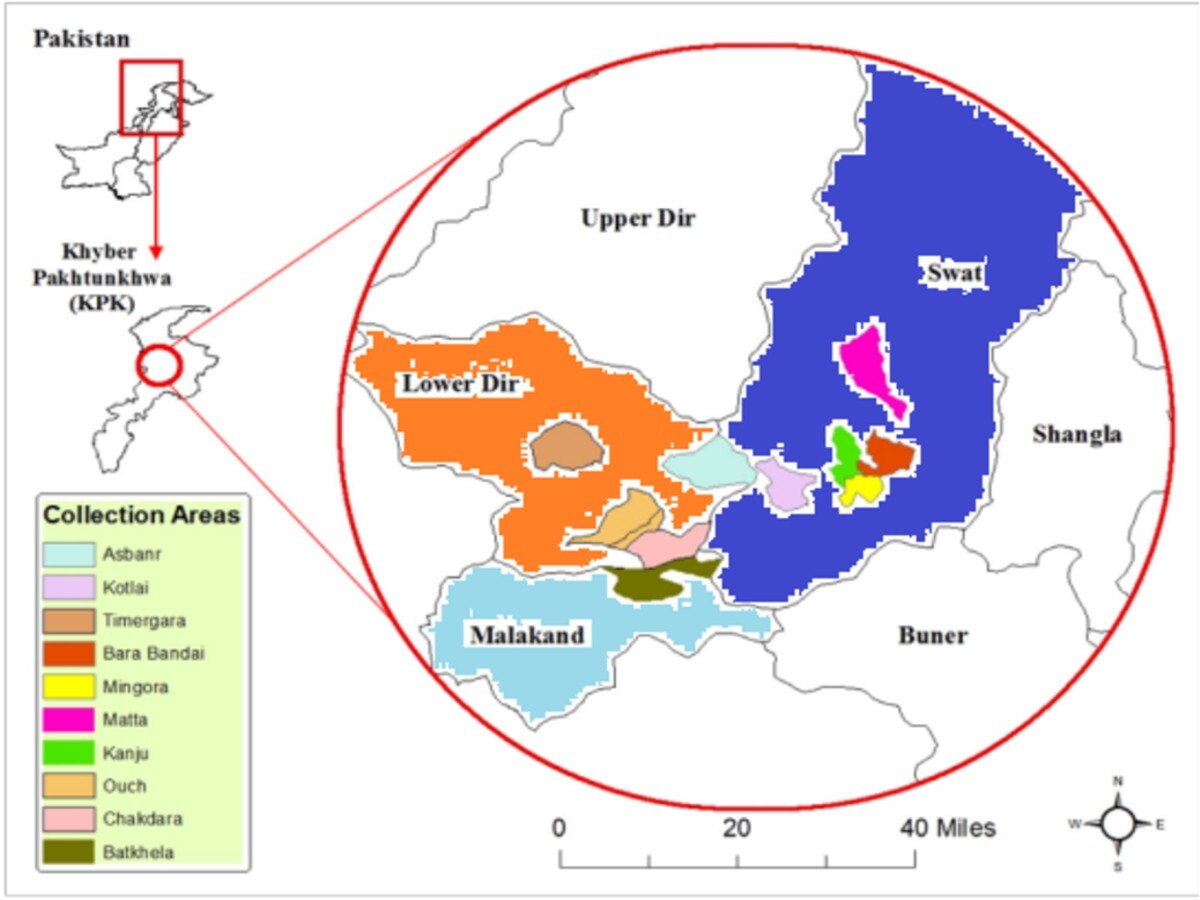
ABSTRACTBackground: Capillaria infection poses a significant economic threat to domestic backyard poultry. Aim: This study aimed to evaluate the epidemiological, pathological, and control of Capillaria infections in domestic chickens. Methods: Four hundred and fifty-six fecal samples were collected and transferred into clean, sterile, labeled bottles containing 2.5% potassium dichromate as a preservative. The samples were analyzed using direct smear and centrifugal flotation techniques for the detection of Capillaria eggs under a microscope. Forty-five naturally infected, 30-week-old backyard chickens were selected based on their egg per gram count and divided into three groups (A–C). Group A was untreated, whereas Groups B and C received oral Mebendazole and a Mebendazole derivative compound at doses of 15 mg/1.5 kg for days, respectively. Fecal samples were collected on days 7, 14, and 21 after treatment to assess the reduction in Capillaria egg counts in the treated groups. Data were analyzed using R (2025) for percentages, chi-square tests, univariate and multivariate analyses of associated factors, and analysis of variance on drug efficacy. Results: Overall, 39.9% of the samples were infected, with a higher prevalence in females (43.1%) than in males (35.4%). Older chickens were more infected (47.4%) than younger chickens (27.5%) and weaker (76.8%) than healthy chickens (24.0%). Seasonal variation showed the highest infection rates in summer (54.4%) and spring (54.0%), and the lowest in winter (25.2%) and autumn (26.3%). Extensive rearing, muddy housing, and pond water use were associated with high infection rates. Deworming and biosecurity had a significant impact (p < 0.05). The infection risk was notably higher during the wet season. Histopathology revealed edema, glandular hyperplasia, inflammation, necrosis, villous atrophy, and epithelial shedding associated with Capillaria spp. Infection. Treatment significantly reduced Capillaria egg counts, with Mebendazole moderately lowering the number of eggs, while the derivative compound eradicated them by day 15, maintaining zero counts through day 21 (p < 0.05). Conclusion: Capillaria infections in backyard chickens cause diarrhea and reduce meat and egg production in poultry farming systems. Therefore, to improve management practices, hygienic conditions, conduct regular screening, and use anthelmintics for control. Keywords: Capillaria, Poultry farming, Parasite, Economy. IntroductionDomestic backyard poultry is also known as the allied agriculture sector (Abunna et al., 2012). Approximately 14 billion chickens are raised worldwide, playing a vital role in global food security by providing high-quality protein (Bruinsma, 2017; Asumang et al., 2019). Poultry production, particularly chicken farming, supports rural livelihoods and generates household income (Jegede et al., 2015). It also improves nutritional status, especially in low- and middle-income countries (Berhe et al., 2019). Approximately 75% of the global domestic chicken population is raised in developing countries, where birds are commonly kept under backyard or semi-intensive production systems (Ferdushy et al., 2016). Malnutrition and poor management practices often limit domestic backyard chicken production (Dar and Tanveer, 2013; Mpofu et al., 2020). Poor nutrition causes chickens to scavenge for food, increasing their exposure to parasitic infections, such as lice, fleas, ticks, and helminths, either directly or indirectly (AbouLaila and Menshawy, 2020). Inadequate management practices increase their vulnerability to these infestations (Jaiswal et al., 2020). These factors significantly contribute to increased morbidity and mortality in domestic chickens (Katoch et al., 2012; Ara et al., 2021). Typically, backyard chickens forage around households (Da Silva et al., 2022). They consume kitchen waste, leaves, insects, and small invertebrates (Radfar et al., 2012). Chickens may ingest hosts, such as grasshoppers carrying Capillaria eggs, leading to infections (Malik et al., 2022). Capillaria species have a direct life cycle, in which chickens become infected by ingesting eggs that hatch and mature within the host’s body (Sherwin et al., 2013). Species such as Capilaria caudinflata, C. bursata, and C. annulata follow an indirect cycle, requiring earthworms as intermediate hosts with a prepatent period of about three weeks (Wuthijaree et al., 2019). In chickens, Capillaria parasites lead to slow growth and weight loss (Tay et al., 2017). They also cause diarrhea, intestinal blockage, morbidity, anemia, and increased mortality, particularly in young birds (Mekibib et al., 2014). Limited data are available on how management affects nematode infections in backyard chickens (Sarba et al., 2019). Few studies, particularly from Karak and Buner, have documented Capillaria infections among nematodes in indigenous chickens in our country (Yousaf et al., 2019; Ullah et al., 2021; Jamil et al., 2025). There is no information available on the pathological spectrum of Capillaria in backyard chickens. This study aimed to explore the pathological and epidemiological spectrum of Capillaria infections in domestic backyard chickens in the Malakand region, Pakistan. Methods and MaterialsStudy siteThis study was conducted in three districts located in the Malakand region of north-western Pakistan. District Lower Dir (35.20°N, 71.88°E) is characterized by a temperate climate (5°C–30°C) and mountainous terrain, with an annual rainfall of approximately 900 mm. District Swat (35.22°N, 72.43°E) has a cool temperate climate (−2°C–32°C), alpine terrain, and 1,000 mm annual rainfall. District Malakand (34.55°N, 71.91°E) features a semi-arid to moderate climate (4°C–35°C), mixed hilly-plain terrain, and 850 mm annual rainfall (Fig. 1). Ecologically, the Malakand region has a diverse climate, ranging from semi-arid to cool, due to its varied topography and significant altitude. Annual rainfall and humidity create favorable conditions for parasitic infections.
Fig. 1. Map of study area (self-generated via ArcGISC). Sampling collection and preservationA total of 456 fresh fecal samples were collected from domestic chickens kept in various households, each housing approximately 5–15 backyard chickens. Samples were collected twice a month. About 3–5 g of fecal matter were collected from the ground using a wooden spatula and placed into bottles labeled with 2.5% potassium dichromate. The stool samples were then transported to the University of Malakand laboratory in sealed, sterile, labeled containers (approximately 50 ml) under controlled temperatures (4°C–8°C) and stored at 4°C in a refrigerator for later analysis. Demographic data such as age groups (adults > 6 months, sub-adult < 6 months), health status (healthy or weak based on physical examination, weight, and behavior of domestic chickens), season (spring, summer, autumn, and winter), and location (Lower Dir, Swat, and Malakand) were collected. Associated risk factors include rearing type (free-range or semi-intensive), feeding method (scavenging or additional feed), water source (tap water or pond water), deworming (yes or no), hygiene (good or poor), and biosecurity (yes or no). Data were collected from chicken owners through structured questionnaires between March 2023 and February 2024. Laboratory examinationFecal samples were examined microscopically for the presence of Capillaria eggs, cysts, and larvae using an Olympus DP71 digital microscope (model U-CMAD3, Olympus Corporation, Japan). A small portion of each fecal sample was prepared on a glass slide with a drop of saline and covered with a cover slip. Subsequently, the slides were systematically examined under low (10×) and high (40×) magnification to detect and identify parasitic elements based on morphological characteristics. Centrifugal flotation was used to detect parasite eggs in fecal samples. Approximately 2–5 g of feces was mixed with 40 ml of saturated sodium chloride flotation solution to detect nematode eggs, which float to the surface of the solution. The mixture was strained into a tube through wire gauze to remove particles. The tube was filled with flotation fluid, and a cover slip was placed on top of the fluid. After standing for 10–20 minute, the cover slip was carefully removed and placed on a microscope slide for examination. The characteristic features identified Capillaria eggs. Oval and colorless, with thick capsules and bipolar plugs. Their size ranges from 50–68 × 22–32 μm, measured using a micrometer, in accordance with published references (Katoch et al., 2012). The prevalence (P) was calculated using the following formula: P=total infected/Total examined × 100. HistopathologyIntestinal tissues were collected from dead chickens in the field and preserved in 10% formalin for 72 hours, following Rieger et al. (2020). The tissue samples were dehydrated through a graded series of alcohol and cleared in xylene. Tissue samples were embedded in paraffin wax and allowed to solidify. Thin sections approximately 5 µm thick were prepared using a microtome, mounted onto glass slides, and subsequently stained with hematoxylin and eosin. The thin sections were examined under a compound microscope (Olympus DP71, U-CMAD3, Japan) at 10× and 40× magnifications. Microscopic analysis focused on lesions and structural changes associated with nematode infections. Representative photomicrographs were taken to document the pathological findings. Control of Capillaria infectionForty-five naturally infected 30-week-old backyard chickens were tagged, housed separately, and provided with clean water and grain ad libitum for days without parasitic treatment. The infected chickens were assigned to three groups (A, B, and C) based on their egg per gram values, each consisting of three replicates with five chickens per replicate. Group A served as the untreated control group. Groups B and C received the mebendazole derivative compound at a dose of 15 mg per 1.5 kg administered orally for 3 days, respectively. For comparison, fecal samples were collected on days 7, 14, and 21 post-treatment for egg reduction analysis in the treated group. Statistical analysisData were analyzed using the R software (version 2025). Percentages were determined, and associations between categorical variables were examined using chi-square tests. Multivariate analysis calculated odds ratios (ORs) with their respective 95% confidence intervals (CIs) and p-values. One-way analysis of variance assessed the mean and standard error of drug efficacy. Ethical approvalThe study protocol was approved by the Ethical Review Committee of the University of Malakand (Ref: No: UOM/Zool/Ph. D/22-25/). Dated 22 February 2023. ResultsCapillaria infection prevalence and gender-wise distribution in chickensCapillaria was detected in 39.9% (n=182/456) of the chickens examined (Fig. 2a). Gender-wise infection data indicated that 43.1% (n=115/267) of females were infected, compared to 35.4% (n=67/189) of males (Fig. 2 b).
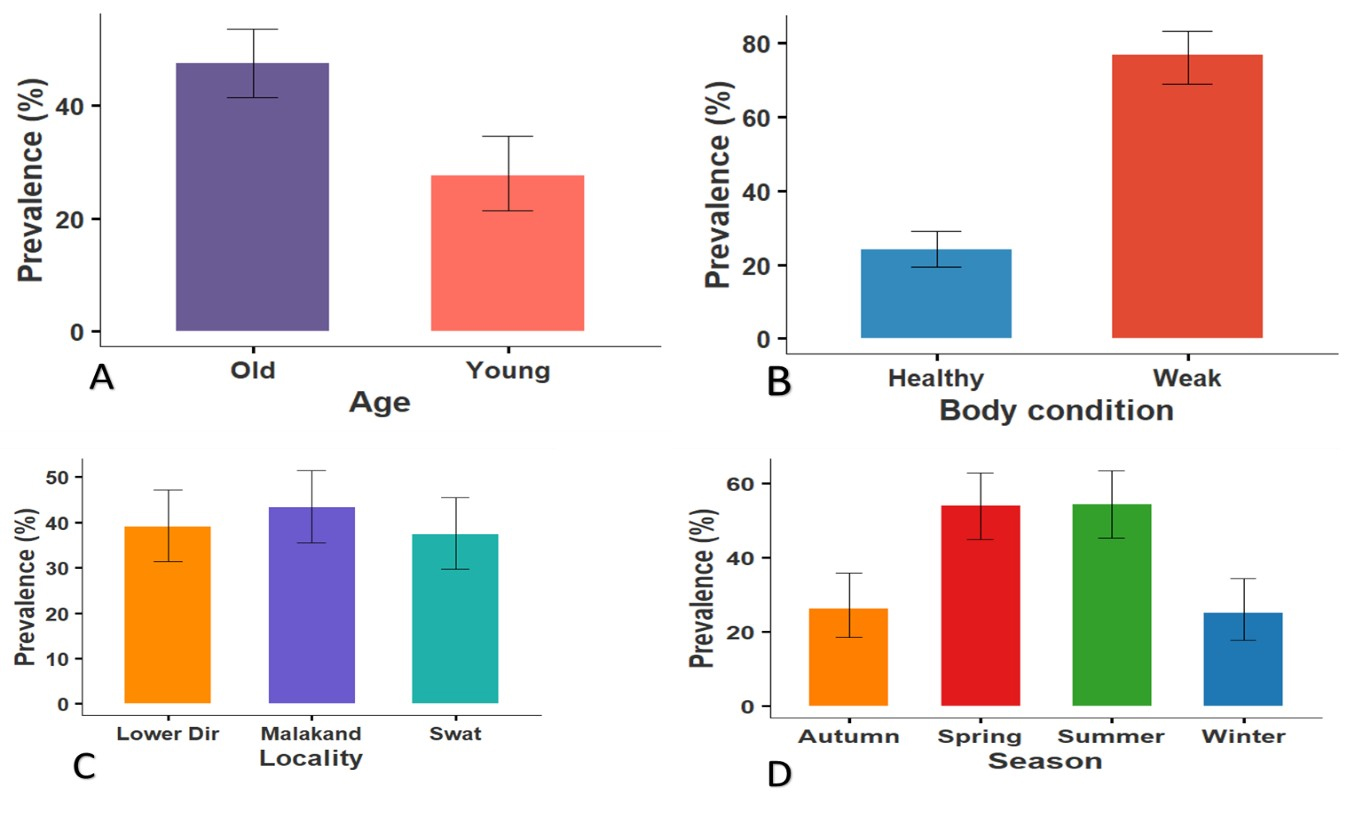
Fig. 2. (a) Infection status.(b) Gender wise prevalence. Capillaria prevalence and its association with chicken risk factorsAge-wise infection showed the highest prevalence rate in adults, 47.4% [130/274], 95% CI: 41.4%–53.4% compared with young adults [27.5% (50/182, 95% CI: 21.3%–34.6%)] (Fig. 3A). Body condition-based results revealed a higher prevalence of infection in weak chickens [76.8% (95% CI: 69.0%–83.2%); 106/138] than in healthy chickens [24.0% (76/318) 95% CI: 19.5%–29.0%); 76/318] (Fig. 3B). The highest prevalence was observed in Malakand at 43.4% (66/152) (95% CI: 35.6%–51.4%), followed by Lower Dir at 39.1% (59/151) (95% CI: 31.4%–47.2%) and Swat at 37.3% (57/153; 95% CI: 29.7%–45.5%) (Fig. 3C). Seasonal variation showed the highest prevalence rate in summer, at 54.4% (62/114; 95% CI: 45.2%–63.3%), compared to winter, at 25.2% (29/115; 95% CI: 17.8%–34.3%) (Fig. 3D).
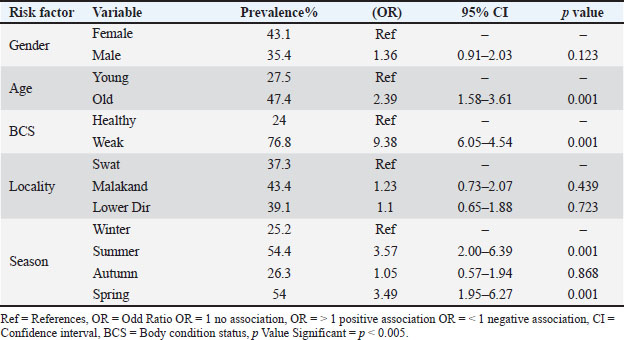
Fig. 3. Capillaria prevalence and its association with risk factors in chickens. (A) Age wise infection. (B) Body condition wise infection. (C) Locality wise infection. (D) Season wise infection. Univariate logistic regression of prevalence with associated factorsUnivariate logistic regression analysis (Table 1) revealed that several factors were significantly associated with the prevalence of Capillaria spp. Infection of domestic backyard chickens. Table 1. Univariate Logistic Regression of prevalence with associated factors.
Gender-wise prevalence showed wise prevalence shows that the highest prevalence rate was in females (43.1%) with an OR of 1.36 (p=0.123). Compared with males (35.4%). Age-wise infection showed a significantly higher prevalence rate in the old (47.4%) compared to the younger ones (27.5%), OR=2.39 (p < 0.001). Body condition-wise infection showed a significant prevalence in weak chickens (76.8%) compared to healthy ones (24.0%), OR=9.38 (p < 0.001) compared to healthy chickens. Locality-wise infection shows high prevalence in Malakand (43.4%), followed by Lower Dir (39.1%) and Swat (37.3% p > 0.05). Season-wise results show a higher prevalence rate in summer (54.4%) and spring (54.0%) than in winter (25.2%), with ORs of 3.57 and 3.49, respectively (p < 0.001), whereas no significant difference was observed in autumn (26.3%) (p=0.868). Multivariate logistic regression: associated risk factorsTable 2 shows the results of multivariate logistic regression, associated with risk factors, for Capillaria infection in backyard chickens. Among the risk factors, chickens reared outdoors had a significantly higher prevalence (43.3%) than those in semi-intensive systems (33.3%), with an OR of 1.53 (p=0.0091). Feeding results showed the highest prevalence in scavenging chickens (41.5%) compared with those with additional feed (33.3%), although the difference was not statistically significant (p=0.1928). Housing results indicate a higher prevalence in mud housing (47.6%) than in cemented floors (36.4%), with an OR of 1.59 (p=0.0365). The highest prevalence was observed in chickens drinking pond water (44.4%) compared with those using tap water (26.7%), OR=0.48 (p=0.0018). Dewormed chickens had a lower infection rate (15.7%) than non-dewormed ones (38.9%) (p=0.003). Weather-based results show a higher prevalence during rainy conditions (59.7%) than during dry seasons (20.4%), OR=0.17 (p < 0.0001). The multivariable logistic regression model demonstrated adequate data fit, as indicated by the Hosmer–Lemeshow goodness-of-fit test (χ²=4.74, df=8, p=0.05). This significant result suggests that the predicted probabilities do not significantly differ from the observed outcomes, confirming the suitability of the model. Table 2. Multivariate logistic regression associated risk factors.
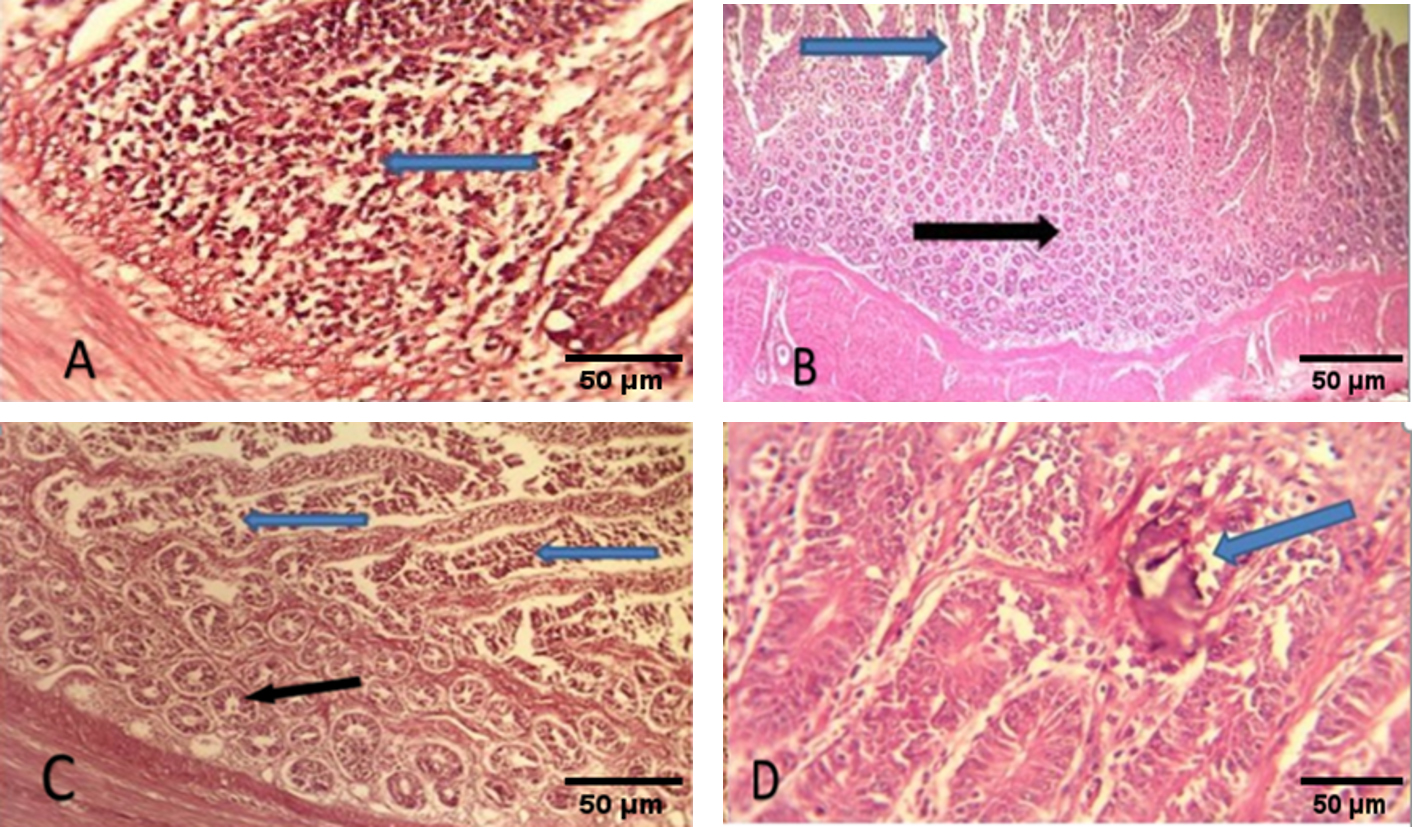
Histopathological changes in the small intestineHistopathological examination of small intestinal sections revealed submucosal edema with minimal cellular infiltration and hyperplasia of the elongated submucosal glands. Focal accumulation of inflammatory cells along with necrotic debris from nearby glandular tissue was observed in the submucosal layer of the small intestine (Fig. 4A). In domestic chickens, the submucosal glands of the small intestine exhibited marked proliferation, along with some intestinal villi atrophy (Fig. 4B). Severe necrosis of the intestinal villous cells was observed, along with shedding of epithelial cells and hyperplastic crypt structures (Fig. 4C) and dystrophic calcification in the muscle (Fig. 4D).
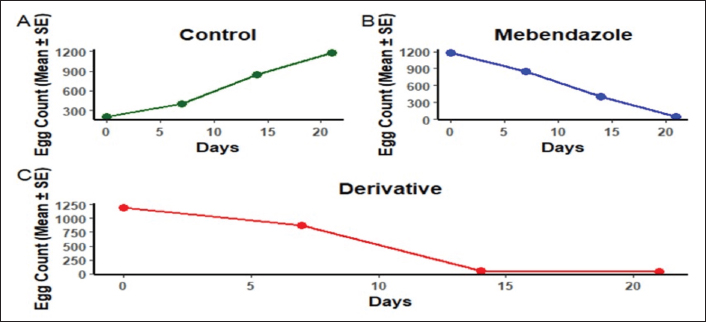
Fig. 4. Histopathological changes induced by Capillaria. (4A) Focal pro-inflammatory cell aggregation with predominant submucosal mononuclear cells. (4B) Submucosal glandular hyperplasia (black arrow), atrophic microvilli (blue arrow. (4C) Villous necrosis (blue arrow) and epithelial sloughing with crypt hyperplasia (black arrow). (4D) Indicate (a) Dystrophic calcification in muscle (Blue arrow) b: (H and E stain; 100x). Efficacy of anthelmintic Mebendazole and its derivativeThe figure demonstrates the effect of treatments on Capillaria spp. Egg counts (mean ± SE) of backyard chickens over 21 days. In the control group (A), egg counts steadily increased from approximately 250 on day 0 to over 1,200 by day 21, indicating progressive infection without treatment. Treatment group (B) showed a gradual decrease in egg counts, dropping from approximately 1,200 on day 0 to nearly 200 by day 21, indicating moderate anthelmintic efficacy. Notably, the treatment group (C), treated with the derivative compound, experienced a rapid and consistent decline in egg counts, falling from approximately 1,300 on day 0 to zero by day 15 and remaining at zero through day 20. These results imply that the derivative compound was significantly more effective at reducing egg production than Mebendazole and the control. As shown in Figure 5.
Fig. 5. (A) Control (B) Mebendazole (C) Mebandazole derivative. DiscussionThis study examined the prevalence of Capillaria infection and associated risk factors in domestic backyard chickens. Of the 456 chickens examined, 39.9% were infected. This figure is slightly lower than the prevalence reported by Saemi Soudkolaei et al. (2021), who documented a prevalence of 54.6% in Ethiopia. Even higher rates (99%–100%) have been recorded in other African countries, particularly among free-ranging chickens. The elevated infection rates are likely due to poor hygiene, deworming, and ongoing exposure to contaminated environments. Capillaria infection was more common in females than in males, supporting the findings of Ameji et al. (2019), who also observed a higher prevalence in females, possibly due to voracious behavior and less selective feeding. Subedi et al. (2018) also reported a higher prevalence rate in female chickens, and stated that behavioral, local ecological, or management factors may influence gender-based risk. The age-wise results revealed that adult chickens had higher infection rates than younger birds. Thapa et al. (2015) and Ameji et al. (2022) also identified greater susceptibility in adults. Similarly, Makouloutou-Nzassi et al. (2024) reported the highest infection rates among adults, with a significant difference across age groups. These findings indicate that age is an important factor in the risk of Capillaria infection in backyard chickens due to prolonged exposure to a contaminated environment and suppressed immunity, especially in egg-laying hens. Capillaria infection was higher in chickens with poor body condition than in those in good health, indicating a strong link between poor health and increased infection risk. Similarly, Dugassa et al. (2018) reported the highest infection rates in chickens with poor body condition, followed by medium and good condition, with a significant difference. This may be due to the weakened immunity and reduced resistance of poorly conditioned birds, making them more susceptible to infection. The prevalence of Capillaria was highest in District Malakand, followed by Lower Dir and Swat. This indicates high infection levels across all areas. Variations may be due to the climate, altitude, and ecology of the locality. The rate is much higher than that reported by Shifaw et al. (2021) in India, who also found differences between localities. These differences indicate that the parasite prevalence is affected by the regional environment and management. Infection rates were lowest in winter and autumn, and highest in summer and spring, which aligns with the study of Ullah et al. (2021) who linked higher infections to warm, humid conditions. Badparva et al. (2015) reported similar parasitic infection peaks in summer. These seasonal differences likely reflect the effects of environmental factors on parasite survival. Backyard chickens are at higher risk due to foraging, limited veterinary care, and poor hygiene. In tropical areas, ecological factors worsen Capillaria infections (Opara et al., 2014). Free-range chickens showed higher infection rates than those reared under semi-intensive systems. This supports the findings of Leung and Koprivnikar (2016), who reported that Capillaria eggs can survive in soil for up to a year, increasing exposure in free-ranging birds. Jilo et al. (2022) and Ashika et al. (2021) associated higher infection rates with limited deworming and increased environmental exposure, while seasonal and regional variations, along with immune status, may further influence infection levels. Trisha et al. (2021) and Nnadi and George (2010) reported a higher infection rate in indigenous scavenging chickens than in those given additional feed, highlighting the impact of husbandry practices and ecological conditions. This finding is in agreement with Ola-Fadunsin (2017), who noted greater exposure to contaminated soil, feces, and intermediate hosts in scavenging birds. In this study, the water-based prevalence rate was higher in chickens using pond water than in those using tap water. This study agrees with the findings of Magwisha et al. (2002), and Silva et al. (2022) who reported 100% Capillaria prevalence linked to contaminated water sources. Similarly, Mersha and Senbeta (2020) found higher infection rates in chickens in southern Ethiopia using river and pond water than using boreholes. This may be due to the presence of parasite eggs or intermediate hosts untreated water. Capillaria infection was more common in chickens kept in muddy housing than in those kept in cemented housing. This finding is consistent with the results of Sebho (2016), and Barman et al. (2021) who noted that muddy floors support parasite survival and egg development due to unhygienic conditions. Based on deworming, infection was also higher in chickens that had not been dewormed compared to those that were dewormed, which aligns with the result of Rufai and Jato (2017), who reported similar results, stating that a lack of deworming leads to a high parasite load due to unchecked worm reproduction. The results of the present research show that chickens kept without biosecurity measures experienced more infections than those with proper biosecurity, which aligns with the findings of Abdullah et al. (2021), who reported 100% infection rates in flocks lacking biosecurity. Poor hygiene facilitates the spread of parasites. Infection rates were higher during the wet season than during the dry season. Histopathological examination revealed significant intestinal damage, including obstruction, petechial bleeding, and mucosal thickening. These findings correspond with moderate to severe infections that cause visible lesions, unlike the mild cases reported by Tsegaye and Miretie (2021). A higher worm burden results in greater tissue damage, which impairs digestion, feed conversion, growth, and survival. Lesion severity increased with parasite load, emphasizing the importance of early treatment. Mebendazole and its derivative significantly reduced the number of Capillaria worms over 21 days, with the derivative being slightly more effective. These results support the efficacy of benzimidazoles against poultry nematodes. Mebendazole disrupts microtubule formation, blocks glucose uptake, and kills the parasite (Kerroucha et al., 2022). Worm counts decreased sharply by day 14, with further reductions by day 21, resulting in over 90% egg count reduction. Nithiuthai et al. (2003) also reported good efficacy of 50 mg/kg Mebendazole over 6 days against Capillaria, Ascaridia, and tapeworms. Our findings support similar outcomes even at lower doses, suggesting the potential for dose optimization. Fenbendazole also demonstrated 90% efficacy when added to feed, with minimal effects on egg production and favorable pharmacokinetics. Mebendazole derivatives may offer improved bioavailability and prolonged action, as highlighted by Chai et al. (2021). Despite slightly better results with the derivative, resistance remains a concern, as benzimidazole overuse or misuse can promote resistance. Strategic dosing and drug rotation are essential to sustain the effectiveness of long-term treatment. ConclusionCapillaria spp infections are highly common in backyard chickens. These infections can cause diarrhea and illness, which are directly related to a decrease in meat and egg production. Therefore, to improve management practices, hygienic conditions, conducting regular screening, and using anthelmintic to control capillariasis. AcknowledgmentsThe authors would like to thank the chicken owners in the study area for providing facilities and cooperating in this research. Conflict of interestNo competing interests were found among the authors related to this study. FundingNone. Authors’ contributionsNasib Khan: collected the samples, conducted the experimental work, and wrote the manuscript. Wali Khan and Muhammad Shoaib: supervised providing technical support and guidance, and Veronica Phetla: critically reviewed the manuscript. Wajid Khan: helped in analyzing data, Sara A. Althubyani: critically review and anlyzed, Ruoa Salieh Almahallawi: review and format paper. All authors have critically reviewed the manuscript and approved its publication. Data availabilityThis manuscript includes all data supporting the results of the study. ReferencesAbdullah, S., Barman, A., Ali, M.Y., Islam, M.S. and Mohanta, U.K. 2021. Morphological identification and prevalence of gastrointestinal helminths in backyard chicken from selected areas of Bangladesh. Res. Agri. Livesto. Fish. 8(1), 145–155; doi:10.3329/ralf.v8i1.53276 AbouLaila, M. and Menshawy, S. 2020. Infection rate and molecular characterisation of Echidnophaga gallinacea in chickens from Matrouh Governorate, Egypt. Vet. Parasitol. Reg. Stud. Rep. 22, 100457; doi:10.1016/j.vprsr.2020.100457 Abunna, F., Fentaye, S., Megersa, B. and Regassa, A. 2012. Prevalence of bovine hydatidosis in Kombolcha Elifora abattoir, North Eastern Ethiopia. Eur. J. Biol. Sci. 4(3), 91–95; doi:10.4236/ojas.2012.24038 Ameji, N.O., Oladele, O.O., Meseko, C.A., Mshelia, G.D. and Lombin, L.H. 2019. Outbreak of highly pathogenic avian influenza subtype H5N8 in two multi-age chicken farms in Jos, Plateau State, Nigeria. Sokoto J. Vet. Sci. 17(3), 60–65; doi: 10.4314/sokjvs.v17i3.11 Ameji, N.O., Oladele, O.O., Adanu, A.W., Oshadu, D.O., Patrobas, M.N., Gurumyen, G.Y. and Biallah, M.B. 2022. Prevalence of parasitic gastrointestinal diseases of poultry diagnosed in the Veterinary Teaching Hospital, University of Jos, Nigeria. Sokoto J. Vet. Sci. 20 (1), 9–18; doi: 10.4314/sokjvs.v20i1.2 Ara, I., Khan, H., Syed, T. and Bhat, B. 2021. Prevalence and seasonal dynamics of gastrointestinal nematodes of domestic fowls (Gallus gallus domesticus) in Kashmir, India. J. Adv. Vet. Anim. Res. 8(3), 448; doi:10.5455/javar.2021.h533 Ashika, T., Islam, A., Anisuzzaman, A., Amin, N., Begum, N. and Khan, M. 2021. Epidemiology of gastrointestinal nematode infections in indigenous chickens of Bangladesh. J. Bang. Agri. Uni. 19(4), 500–504; doi:10.5455/JBAU.73556 Asumang, P., Akoto Delali, J., Wiafe, F., Kamil, Z., Iddrisu Balali, G., Afua Dela Gobe, V., Nketiah Siaw, W. and Pinamang, G. 2019. Prevalence of gastrointestinal parasites in local and exotic breeds of chickens in Pankrono–Kumasi, Ghana. J. Parasitol. Res. 1(1), 5746515; doi:10.1155/2019/5746515 Badparva, E., Ezatpour, B., Azami, M. and Badparva, M. 2015. First report of chickens’ infection by intestinal parasites in Khorramabad, western Iran. J. Parasit. Dis. 39, 720–724; doi:10.1007/s12639-014-0427-5 Barman, A., Islam, A. and Mohanta, U.K. 2021. Morphological identification and prevalence of gastrointestinal helminths in backyard chickens from selected areas of Bangladesh. Res. Agric. Livest. Fish. 8(1), 145–155; doi:10.3329/ralf.v8i1.53276 Berhe, M., Mekibib, B., Bsrat, A. and Atsbaha, G. 2019. Gastrointestinal helminth parasites of chicken under different management systems in Mekelle town, Tigray region, Ethiopia. J. Vet. Med. 1(1), 1307582; doi:10.1155/2019/1307582 Bruinsma, J. 2017. World agriculture: towards 2015/2030: an FAO study. London, England: Earthscan Publications Ltd. Chai, J.Y., Jung, B.K. and Hong, S.J. 2021. Albendazole and mebendazole as anti-parasitic and anti-cancer agents: an update. Korean J. Parasitology 59(3), 189. da Silva, L.F., Dorr, A.P., de Barros Silva, V.L., Moreira, R.M.P., dos Santos Ferraz, R.H., de Sousa Lima Pulcherio, R. and de Souza Ramos, D.G. 2024. Detection of parasitic forms in feces of Chelonoidis carbonarius (Linnaeus, 1766) from Brazilian Cerrado. Vet. Res. Commun. 48(6), 4123–4127. Dar, J.A. and Tanveer, S. 2013. Prevalence of cestode parasites in free-range backyard chickens (Gallus gallus domesticus) of Kashmir, India. Agri. Biolo. J. North. Amer. 4(1), 67–70; doi:10.5251/abjna Dugassa, J., Hussein, A., Kebede, A. and Mohammed, C. 2018. Prevalence and associated risk factors of gastrointestinal nematodes of sheep and goats in Ziway Dugda District, Eastern Arsi Zone of Oromia Regional State, Ethiopia. Multi. Adv. Vet. Sci. 2(1), 301–310; doi:10.20431/2455-2518.0402002 Ferdushy, T., Hasan, M.T. and Golam Kadir, A.K.M. 2016. Cross-sectional epidemiological investigation on the prevalence of gastrointestinal helminths in free-range chickens in Narsingdi district, Bangladesh. J. Parasit. Dis. 40(3), 818–822; doi:10.1007/s12639-014-0585-5 Jaiswal, K., Mishra, S. and Bee, A. 2020. Prevalence of gastrointestinal helminth parasites in Gallus gallus domesticus in Lucknow, U.P., India. Adv. Zool. Bot. 8(5), 422–430; doi:10.13189/azb.2020.080506 Jamil, M., Ullah, S., Bakhtar, K., Solangi, A.S. and Abdullah. 2025. Epidemiology and Impact of Gastrointestinal Parasites in Domestic Fowl from Buner District, Pakistan. Eur. J. Theor. Appl. Sci. 3(1), 407–422; doi:10.59324/ejtas.2025.3(1).36 Jegede, O.C., Asadu, I.A., Opara, M., Obeta, S.S. and Olayemi, D.O. 2015. Gastrointestinal parasitism in local and exotic breeds of chickens reared in the Gwagwalada Guinea Savannah zone of Nigeria. Sokoto J. Vet. Sci. 13(3), 25–30; doi:10.4314/sokjvs.v13i3.5 Jilo, S.A., Abadula, T.A., Abadura, S.Z., Gobana, R.H., Hasan, L.A. and Nair, S.P. 2022. Review on epidemiology, pathogenesis, treatment, control, and prevention of gastrointestinal parasites of poultry. Int. J. Vet. Sci. Anim. Husb. 7(5), 26–34; doi:10.22271/veterinary Katoch, R., Yadav, A., Godara, R., Khajuria, J.K., Borkataki, S. and Sodhi, S.S. 2012. Prevalence and impact of gastrointestinal helminths on body weight gain in backyard chickens in the subtropical and humid zone of Jammu, India. J. Parasit. Dis. 36, 49–52; doi:10.1007/s12639-011-0090-z Kerroucha, R., Medjoual, I., Bourguig, L. and Senouci, K. 2022. Identification of the main intestinal helminths of local breed chickens (Gallus gallus domesticus Linnaeus, 1758) reared in traditional mode in the Oran region. Helminthologia 59(2), 170; doi: 10.2478/helm-2022-0015 Leung, T.L.F. and Koprivnikar, J. 2016. Nematode parasite diversity in birds: the role of host ecology, life history and migration. J. Anim. Ecol. 85(6), 1471–1480; doi:10.1111/1365-2656.12581 Magwisha, H.B., Kassuku, A.A., Kyvsgaard, N.C. and Permin, A. 2002. A comparison of the prevalence and burdens of helminth infections in growers and adult free-range chickens. Trop. Anim. Health Prod. 34, 205–214; doi:10.1023/a:1015278524559 Makouloutou-Nzassi, P., Longo-Pendy, N.M., Nguema, L.K.A., Lendzele, S.S., Bangueboussa, F., Bouchedi, B., Maganga, G.D. and Boundenga, L. 2024. Prevalence of gastrointestinal parasites in chickens (Gallus gallus domesticus) and associated risk factors in M’passa department, Southeast Gabon. Open. Vet. J. 14(12), 3232. Malik, R., Khatoon, N. and Waheed, S. 2022. Prevalence of nematode parasites in different chickens with histopathological changes in the intestinal tissue of common quail (Coturnix coturnix) with special reference to Heterakis gallinarum Schrank, 1788. Pak. J. Nematol. 40(2), 120–126; doi:10.17582/journal.pjn/2022/40.2.120.126 Mekibib, B., Dejene, H. and Sheferaw, D. 2014. Gastrointestinal helminths of scavenging chickens in the outskirts of Hawassa, Southern Ethiopia. Glob. Vet. 12(4), 557–561; doi:10.5829/idosi.gv.2014.12.04.8354 Mersha, S.F. and Senbeta, E.K. 2020. Chicken reproductive performance in Ethiopia. Turk. J. Agri. . Food Sci. Tech. 8(8), 1755–1762; doi:10.24925/turjaf.v8i8.1755-1762.3501 Mpofu, T.J., Nephawe, K.A. and Mtileni, B. 2020. Prevalence of gastrointestinal parasites in communal goats from different agroecological zones of South Africa. Vet. World. 13(1), 26–32; doi:10.14202/vetworld.2020.26-32 Nithiuthai, S., Chungpivat, S. and Sukumavasi, W. 2003. The study of gastrointestinal helminthes in native chicken and the efficacy of mebendazole against the helminth parasites. Thai. J. Vet. Med. 33(3), 65–72. Nnadi, P.A. and George, S.O. 2010. A cross-sectional survey on parasites of chickens in selected villages in the subhumid zones of south-eastern Nig. J. Parasitol. Res. 1(1), 141824; doi:10.1155/2010/141824 Ola-Fadunsin, S.D. 2017. Investigations on the occurrence and associated risk factors of avian coccidiosis in Osun State, Southwestern Nigeria. J. Parasitol. Res. 1(1), 9264191; doi:10.1155/2017/9264191 Opara, M.N., Osowa, D.K. and Maxwell, J.A. 2014. Blood and gastrointestinal parasites of chickens and turkeys reared in the tropical rainforest zone of southeastern Nigeria. Open J. Vet. Med. 4(12), 308; doi:10.4236/ojvm.2014.412037 Radfar, M.H., Khedri, J., Adinehbeigi, K., Nabavi, R. and Rahmani, K. 2012. Prevalence of parasites and associated risk factors in domestic pigeons (Columba livia domestica) and free-range backyard chickens of Sistan region, east of Iran. J. Parasit. Dis. 36(2), 220–225; doi:10.1007/s12639-012-0112-5 Rieger, J., Pelckmann, L.M. and Drewes, B. 2020. Preservation and processing of intestinal tissue for the assessment of histopathology. In Animal Models of Allergic Disease: methods and Protocols. New York, NY: Springer US, pp: 267–80. Rufai, M.A. and Jato, A.O. 2017. Assessing the prevalence of gastrointestinal tract parasites of poultry and their environmental risk factors in poultry in Iwo, Osun State, Nigeria. Ife J. Sci. 19(1), 7–13; doi:10.4314/ijs.v19i1.2 Saemi Soudkolaei, A., Kalidari, G.A. and Borji, H. 2021. Anthelmintic efficacy of fenbendazole and levamisole in native fowl in northern Iran. Parasite. Vect. 14(1), 1–8; doi:10.1186/s13071-021-04605-9 Sarba, E.J., Bayu, M.D., Gebremedhin, E.Z., Motuma, K., Leta, S., Abdisa, K., Kebebew, G. and Borena, B.M. 2019. Gastrointestinal helminths of backyard chickens in selected areas of West Shoa Zone, Central, Ethiopia. Vet. Parasitol. Reg. Study. Rep. 15, 100265; doi:10.1016/j.vprsr.2019.100265 Sebho, H.K. 2016. Exotic chicken status, production performance and constraints in Ethiopia: a review. Asian J. Poul. Sci. 10(1), 30–39; doi:10.3923/ajpsaj.2016.30.39 Sherwin, C.M., Nasr, M.A.F., Gale, E., Petek, M., Stafford, K., Turp, M. and Coles, G.C. 2013. Prevalence of nematode infection and faecal egg counts in free-range laying hens: relations to housing and husbandry. Brit. Poul. Sci. 45(1), 12–23; doi:10.1080/00071668.2012.757577 Shifaw, A., Feyera, T., Walkden-Brown, S.W., Sharpe, B., Elliott, T. and Ruhnke, I. 2021. Global and regional prevalence of helminth infection in chickens over time: a systematic review and meta-analysis. Poul. Sci. 100(5), 101082; doi:10.1016/j.psj.2021.101082 Silva, J.T.D., Alvares, F.B.V., Oliveira, C.S.D.M., Sousa, L.C.D., Lima, B.A., Feitosa, T.F., Brasil, A.W.D.L. and Vilela, V.L.R. 2022. Prevalence of endoparasites by microscopic analysis in free-range chickens in a Brazilian semiarid region. Rev. Bras. Parasitol. Vet. 31(4), 10722; doi:10.1590/S1984-29612022063 Subedi, J.R., Mujahid, T. and Cheetri, B. 2018. Prevalence of intestinal helminth parasites of chicken (Gallus gallus domesticus Linnaeus, 1758) in Lalitpur district, Nepal. Tribhuvan. Uni. J. 32(2), 19–28; doi:10.3126/tuj.v32i2.24700 Tay, L.K., Emikpe, B.O., Ockling, S., Folitse, R.D. and Jarikre, T.A. 2017. Point prevalence and pathology associated with gastrointestinal parasites in local chickens and guinea fowls in Kumasi, Ghana. Nige. J. Parasit. 38(1), 93–99; doi:10.4314/njpar.v38i.17 Thapa, S., Hinrichsen, L.K., Brenninkmeyer, C., Gunnarsson, S., Heerkens, J.L.T., Verwer, C., Niebuhr, K., Willett, A., Grilli, G., Thamsborg, S.M., Sørensen, J.T. and Mejer, H. 2015. Prevalence and magnitude of helminth infections in organic laying hens (Gallus gallus domesticus) across Europe. Vet. Parasitolo. 214(1–2), 118–124; doi:10.1016/j.vetpar.2015.10.009 Trisha, A.A., Islam, A., Anisuzzaman, Alam, N., Begum, N. and Khan, M.A.H.N.A. 2021. Epidemiology of gastro-intestinal nematode infections in indigenous chickens of Bangladesh. Tsegaye, A.A. and Miretie, A.A. 2021. Chicken ascariasis and heterakiasis: prevalence and associated risk factors in Gondar City, Northwest Ethiopia. Vet. Med. Res. Rep. 12, 217–223; doi:10.2147/VMRR.S323284 Ullah, K., Islam, N., Parveen, L. and Ijaz, M. 2021. Helminth fauna in the gastrointestinal tract of some domesticated and non-domesticated chickens of District Karak, Khyber Pakhtunkhwa, Pakistan. J. Biolo. Pharmal. Che. Res. 8(3), 1–12; doi:10.23880/izab-16000360 Wuthijaree, K., Lambertz, C., Vearasilp, T., Anusatsananun, V. and Gauly, M. 2019. Prevalence of gastrointestinal helminths in Thai indigenous chickens raised under backyard conditions in Northern Thailand. J. Appl. Poult. Res. 28(1), 221–229; doi:10.3382/japr/pfy062 Yousaf, A., Tabasam, M.S., Memon, A., Rajput, N., Shahnawaz, R., Rajpar, S. and Mushtaq, M. 2019. Prevalence of Ascaridia galli in different broiler poultry farms of the Potohar region of Rawalpindi, Pakistan. J. Dairy. Vet. Anim. Res. 8(1), 71–73; doi:10.15406/jdvar.2019.08.00245 | ||

| How to Cite this Article |
| Pubmed Style Khan N, Khan W, Ali W, Shoaib M, Phetla V, Rios-escalante PRDL, Althubyani SA, Almahallawi RS. Multifactorial analysis of Capillaria infections in domestic chickens, epidemiological, pathological, and control approaches. Open Vet. J.. 2026; 16(6): 3620-3630. doi:10.5455/OVJ.2026.v16.i6.34 Web Style Khan N, Khan W, Ali W, Shoaib M, Phetla V, Rios-escalante PRDL, Althubyani SA, Almahallawi RS. Multifactorial analysis of Capillaria infections in domestic chickens, epidemiological, pathological, and control approaches. https://www.openveterinaryjournal.com/?mno=278410 [Access: June 26, 2026]. doi:10.5455/OVJ.2026.v16.i6.34 AMA (American Medical Association) Style Khan N, Khan W, Ali W, Shoaib M, Phetla V, Rios-escalante PRDL, Althubyani SA, Almahallawi RS. Multifactorial analysis of Capillaria infections in domestic chickens, epidemiological, pathological, and control approaches. Open Vet. J.. 2026; 16(6): 3620-3630. doi:10.5455/OVJ.2026.v16.i6.34 Vancouver/ICMJE Style Khan N, Khan W, Ali W, Shoaib M, Phetla V, Rios-escalante PRDL, Althubyani SA, Almahallawi RS. Multifactorial analysis of Capillaria infections in domestic chickens, epidemiological, pathological, and control approaches. Open Vet. J.. (2026), [cited June 26, 2026]; 16(6): 3620-3630. doi:10.5455/OVJ.2026.v16.i6.34 Harvard Style Khan, N., Khan, . W., Ali, . W., Shoaib, . M., Phetla, . V., Rios-escalante, . P. R. D. L., Althubyani, . S. A. & Almahallawi, . R. S. (2026) Multifactorial analysis of Capillaria infections in domestic chickens, epidemiological, pathological, and control approaches. Open Vet. J., 16 (6), 3620-3630. doi:10.5455/OVJ.2026.v16.i6.34 Turabian Style Khan, Nasib, Wali Khan, Wajid Ali, Mohammad Shoaib, Veronica Phetla, Patricio R. De Los Rios-escalante, Sara A. Althubyani, and Ruoa Saleh Almahallawi. 2026. Multifactorial analysis of Capillaria infections in domestic chickens, epidemiological, pathological, and control approaches. Open Veterinary Journal, 16 (6), 3620-3630. doi:10.5455/OVJ.2026.v16.i6.34 Chicago Style Khan, Nasib, Wali Khan, Wajid Ali, Mohammad Shoaib, Veronica Phetla, Patricio R. De Los Rios-escalante, Sara A. Althubyani, and Ruoa Saleh Almahallawi. "Multifactorial analysis of Capillaria infections in domestic chickens, epidemiological, pathological, and control approaches." Open Veterinary Journal 16 (2026), 3620-3630. doi:10.5455/OVJ.2026.v16.i6.34 MLA (The Modern Language Association) Style Khan, Nasib, Wali Khan, Wajid Ali, Mohammad Shoaib, Veronica Phetla, Patricio R. De Los Rios-escalante, Sara A. Althubyani, and Ruoa Saleh Almahallawi. "Multifactorial analysis of Capillaria infections in domestic chickens, epidemiological, pathological, and control approaches." Open Veterinary Journal 16.6 (2026), 3620-3630. Print. doi:10.5455/OVJ.2026.v16.i6.34 APA (American Psychological Association) Style Khan, N., Khan, . W., Ali, . W., Shoaib, . M., Phetla, . V., Rios-escalante, . P. R. D. L., Althubyani, . S. A. & Almahallawi, . R. S. (2026) Multifactorial analysis of Capillaria infections in domestic chickens, epidemiological, pathological, and control approaches. Open Veterinary Journal, 16 (6), 3620-3630. doi:10.5455/OVJ.2026.v16.i6.34 |


