





| Research Article | ||
Open Vet. J.. 2026; 16(6): 3606-3619 Open Veterinary Journal, (2026), Vol. 16(6): 3606-3619 Research Article Impact of L-methionine supplementation on growth performance, serum biochemical parameters, and gene expression of GHR/IGF-I in local quailsLajan Salahaldin Ahmed*, Muhsin A. Ahmed and Payam S. SabirDepartment of Animal Production and Health, College of Agricultural Engineering Sciences, Salahaddin University-Erbil, Erbil, Iraq *Corresponding Author: Lajan Salahaldin Ahmed. Department of Animal Production and Health, College of Agricultural Engineering Sciences, Salahaddin University-Erbil, Erbil, Iraq. Email: Lajan.ahmed [at] su.edu.krd Submitted: 08/12/2025 Revised: 25/04/2026 Accepted: 09/05/2026 Published: 06/06/2026 © 2025 Open Veterinary Journal
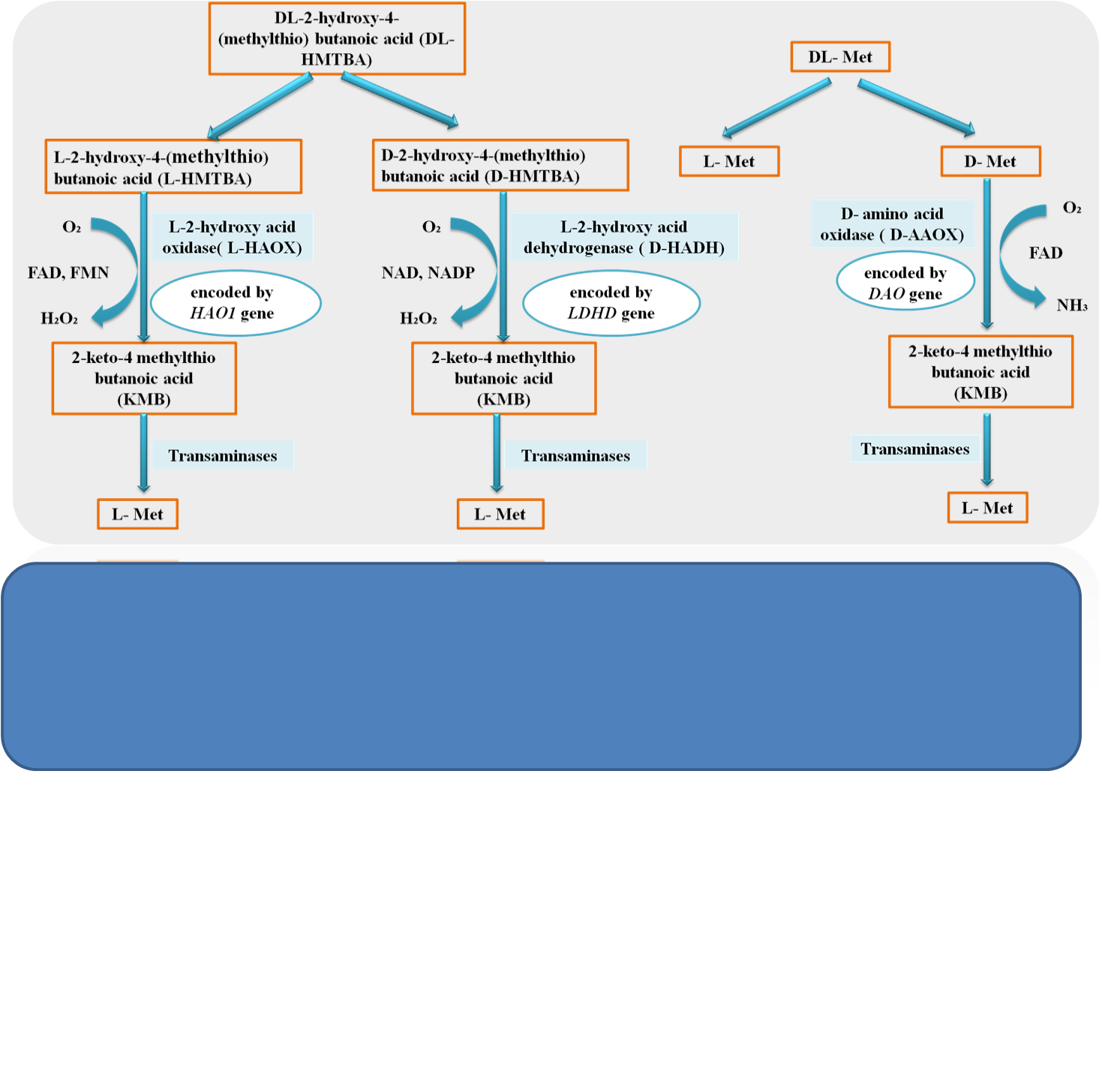
AbstractBackground: L-methionine (L-Met) is an essential amino acid crucial for growth, metabolic regulation, and endocrine activity in poultry. Aim: This study aimed to evaluate the effects of graded dietary L-Met supplementation on growth performance, carcass traits, serum biochemical parameters, and somatotropic axis activity in local quails of white and black genetic lines. Methods: A total of 384 1-day-old quail chicks (white and black lines; 144 females and 48 males per line) were randomly assigned to four dietary treatments containing 0.0, 2.5, 3.0, or 3.5 g/kg L-Met. Each treatment included four replicates of 12 birds (male: female ratio, 1:3). We assessed growth performance, feed intake (FI), feed conversion ratio, carcass characteristics, serum biochemical indices, and hepatic expression of growth hormone receptor (GHR) and insulin-like growth factor-I (IGF-I). The optimal dietary L-Met level for maximum growth and feed utilization was estimated using second-order polynomial regression. Results: Supplementation with 3.0 and 3.5 g/kg L-Met significantly increased body weight, carcass yield, and the relative weights of the breast, thigh, wing, and back muscles (p ≤ 0.05), with black quails outperforming white quails. FI decreased, whereas feed conversion efficiency improved at higher L-Met levels. Serum biochemical analyses indicated enhanced liver and kidney function at 3.0 g/kg, along with favorable protein and metabolic profiles. IGF-I expression peaked at 3.0 g/kg, whereas GHR expression was highest at 3.5 g/kg, with sex- and line-specific differences observed. Polynomial regression analysis confirmed that the optimal dietary L-Met requirement for maximum growth and feed efficiency was between 3.0 and 3.5 g/kg. Conclusion: Dietary L-Met supplementation enhances local quail growth performance, feed efficiency, carcass quality, and somatotropic axis activity. Levels of 3.0–3.5 g/kg are optimal, supporting its practical application as a nutritional strategy to improve quail production efficiency. Keywords: Gene expression, Growth performance, Quail, L-Methionine, Serum biochemistry. IntroductionMethionine (Met) is the first limiting amino acid in poultry diets, playing a pivotal role in optimal growth, protein synthesis, and key metabolic pathways regulation contributes to methyl-group metabolism and serves as a precursor for biologically important compounds, including cysteine, glutathione, and taurine, which are essential for antioxidant defense and cellular integrity (Zhang et al., 2018; Lugata et al., 2024). Dietary Met deficiency has been consistently linked to reduced protein accretion, slower growth, impaired breast muscle development, compromised immune function, and diminished meat quality, underscoring its importance for poultry production efficiency (Wen et al., 2017; Zhang et al., 2024). The biological efficacy of Met is dependent on its chemical form and metabolic conversion. L-methionine (L-Met), a biologically active isomer, is directly incorporated into proteins. In contrast, D-Met requires oxidation to 2-keto-4-(methylthio) butanoic acid followed by transamination to L-Met, Similarly, the hydroxy analog 2-hydroxy-4-methylthiobutanoic acid (HMTBA) undergoes enzymatic oxidation and transamination in the liver using, branched-chain amino acids as amino donors (Becquet et al., 2023). These additional metabolic steps reduce the relative bioavailability of D-Met and HMTBA compared with that of L-Met (Wang et al., 2019; Lemme et al., 2020). Factors such as diet composition, sulfur amino acid balance, and supplementation level further modulate bio efficacy, impacting growth, feed efficiency, and muscle deposition (Agostini et al., 2016). Despite these differences, DL-Methionine (DL) or HMTBA supplementation has been shown to enhance carcass yield, feed efficiency, and overall growth performance (Agostini et al., 2019; Araujo et al., 2019), which are critical for meeting the rising global demand for animal protein (Fig. 1).
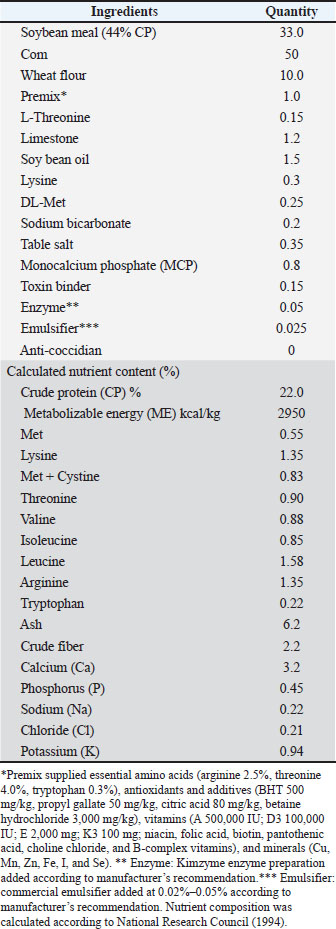
Fig. 1. Metabolic transformation of dietary Met sources D-Met and DL-HMTBA are enzymatically converted to L-Met, the active form used for protein synthesis and metabolism (Zhang et al., 2018). Traditional breeding programs that target carcass improvement are often slow due to the polygenic nature of these traits (Tan et al., 2022). In this context, molecular tools, such as gene expression analysis, can be used to identify candidate genes associated with favorable carcass characteristics, thereby accelerating genetic selection (Wang et al., 2019). Protein synthesis, metabolic homeostasis, muscle development, and overall body size are tightly regulated by somatotropic axis genes, including growth hormone (GH) and insulin-like growth factor-I (IGF-I), which exert their effects via both endocrine and paracrine signaling processes. These genes exert profound influences on metabolic regulation and anabolic processes, underscoring their essential role in growth physiology (Al-Samerria and Radovick, 2021). However, the relationships between GH/IGF-I signaling and growth performance, body composition, and carcass traits in poultry remain poorly understood (Brahmkhatri et al., 2015; Jia et al., 2018). This study investigated the effects of graded dietary Met on hepatic IGF-I and growth hormone receptor (GHR) gene expression in quail. This study aimed to explore the integrative effects of graded dietary L-Met on growth performance, carcass composition, and internal organ development in local quails, considering both genetic line and sex as key modulators. Beyond traditional production metrics, this study investigates how L-Met shapes the somatotropic axis by modulating hepatic IGF-I and GHR expression and links these molecular responses directly to growth, muscle development, and carcass traits. By bridging nutrition, genetics, and molecular physiology, this study provides novel insights into precision feeding strategies aimed at maximizing quail production efficiency, carcass quality, and overall sustainability in poultry systems. Materials and MethodsApproval of the animal ethicsAll procedures involving quails complied with institutional and international animal welfare guidelines and were approved by the Animal Care and Use Committee, College of Agricultural Engineering Sciences, Salahaddin University–Erbil (Approval No. SUE2025AREC/40). Experimental design, animals, and dietary treatmentsThe study was conducted at the Quail Research Hall, Department of Animal Production and Health, College of Agricultural Engineering Sciences, Salahaddin University, Erbil, Iraq. A total of 384 1-day-old quail chicks from each of the white and black lines (144 females and 48 males per line) were used in the experiment. The chicks were randomly distributed into four dietary treatments, consisting of a basal control diet (0.0 g/kg L-Met) and diets supplemented with 2.5, 3.0, or 3.5 g/kg L-Met. Each treatment contained 48 birds organized into four replicates of 12 quails (eight females and four males), maintaining an assigned male at birth ratio of 1:3. L-Met was provided as a commercial feed-grade powder (DL-Methionine, MHA®-FA, 99% purity; Evonik Industries AG, Hanau, Germany) and incorporated into the basal diet (Table 1) according to the nutrient recommendations of the National Research Council (1994). Diets were prepared weekly to ensure uniformity and minimize nutrient degradation. The birds were housed in standard wire cages (45 × 30 × 30 cm) under controlled environmental and hygienic conditions. The brooding temperature was maintained at 36°C during the first week and then reduced by ~2°C per week to 22℃–24°C by week 7. Lighting was controlled, with 24 hours light provided during the first week; the photoperiod was subsequently reduced by 2 hours per week until 35 days of age, after which birds were maintained on a 16 hours light: 8 hours dark cycle, following the protocol of Liu et al. (2025). Feed and water were provided ad libitum throughout the experimental period. Table 1. Experimental quail diet compo- sition (ingredients and nutrients, g/100 g).
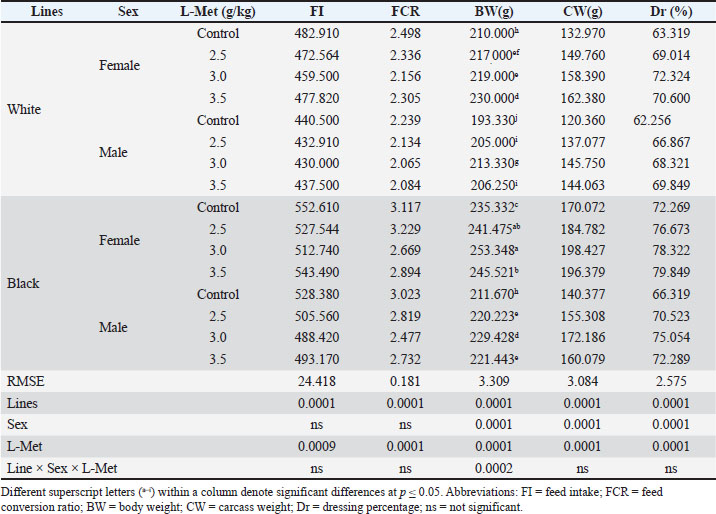
Assessment of growth performanceGrowth performance was evaluated at the end of the trial. final body weight was measured individually using a high-precision electronic balance (SCALTEC SBA 41, Germany; ±0.1 g). The cumulative feed intake (FI) per cage was recorded, and the feed conversion ratio (FCR) was calculated as the total FI divided by the total body weight (BW) gain (g feed/g gain). Mortality was monitored daily, and the FI and FCR values were adjusted accordingly to provide an accurate and reliable evaluation of the overall growth performance. Evaluation of carcass traitsAfter 7 weeks, eight birds per treatment (four males and four females) from each quail line were randomly selected for carcass evaluation. The birds were fasted for 8 hours with free access to water before slaughter. Live BW was recorded immediately before slaughter. Following ~4 minutes of exsanguination, the carcasses were scalded in hot water for 2 minutes to facilitate manual feather removal. Carcasses were then eviscerated and dissected. The breast, thigh, wing, and back were individually separated and weighed. The internal organs (liver, heart, gizzard, and abdominal fat pad) were removed and weighed. Dressing percentage (DP) was calculated as [carcass weight (CW) ÷ pre-slaughter live weight] × 100, and organ weights were expressed as live BW proportion. Plasma hematobiochemical profilingEight birds per treatment (four males and four females) were randomly selected from each quail line for hematobiochemical analysis. Blood samples were collected into tubes and centrifuged at 4,000 rpm for 15 minutes, and plasma was separated for the determination of total protein (g/dl), globulin (g/dl), albumin (g/dl), Aspartate Aminotransferase (AST) (IU/l), Alanine Aminotransferase (ALT) (IU/l), Lactate Dehydrogenase (LDH) (IU/l), creatinine (mg/dl), and urea (mg/dl). Gene expression analysisLiver and breast muscle samples were collected from male and female quails of both white and black genetic lines at 42 days of age. Total RNA was extracted using the Add Prep Total RNA Extraction Kit (Keara; Product Code 10119) according to the manufacturer’s instructions and stored at −20°C. We assessed RNA concentration and purity using a NanoDrop™ spectrophotometer (Thermo Fisher Scientific, USA) and retained samples with A₂₆₀/₂₈₀ ratios between 1.9 and 2.1. We confirmed RNA integrity by electrophoresis on 1.5% agarose gels, which showed intact 28S and 18S rRNA bands. For first-strand cDNA synthesis, we reverse-transcribed 500 ng of total RNA in a 25 µl reaction using the Add Script cDNA Synthesis Kit (Keara; Product Code 22701), which contains thermostable Moloney Murine Leukemia Virus reverse transcriptase, random hexamers, dNTPs, RNase inhibitor, and reaction buffer. The reaction conditions were as follows: 25°C for 10 minutes, 45°C for 50 minutes, and 70°C for 10 minutes. The resulting cDNA was stored at −20°C until quantitative polymerase chain reaction (qPCR). GHR and IGF-I expression was quantified by reverse transcription quantitative polymerase chain reaction in 30 µl reactions containing 15 µl qPCR Master Mix, 1.5 µl of each primer, 3.5 µl cDNA, and 8.5 µl nuclease-free water. Amplification consisted of an initial denaturation (95°C, 3 minutes), followed by 40 cycles at 95°C for 30 seconds and 58°C for 30 seconds. For GHR, each cycle included an additional extension step at 72°C for 40 seconds, followed by a final extension at 72°C for 2.5 minutes. Primer sequences for GHR (145 bp), IGF-I (140 bp), and the reference gene β-actin (136 bp) were obtained from (Del Vesco et al., 2013). The amplification reactions were performed in triplicate, and no-template controls were included to verify the absence of contamination. Relative mRNA expression levels were calculated using the 2^−ΔΔCt method Livak and Schmittgen (2001), assuming 100% amplification efficiency. The ΔCt value was obtained by subtracting the Ct of β-actin from the Ct of the target gene. The non-supplemented control group (T0; 0 g/kg L-Met) was used as the calibrator for ΔΔCt calculations, and expression levels were expressed as fold-change (2^−ΔΔCt). Analysis of experimental dataSAS Institute (2004) software was used for all statistical analyses. Data were assessed for normality and homogeneity of variance using the Shapiro–Wilk and Levene tests. A 3 × 2 × 4 factorial design was applied, comprising two quail lines (black and white), two sexes, and four dietary L-Met levels. Growth performance, carcass traits, and serum biochemical indices, including the main effects and their interactions, were analyzed using the General Linear Model procedure. Treatment means were compared using Tukey’s honest significant difference test, and results are reported as means ± SEM (p ≤ 0.05). Pearson correlation and second-order polynomial regression analyses were conducted to examine the relationships among growth traits and to estimate the optimal dietary L-Met level. Ethical approvalAll procedures involving quails complied with institutional and international animal welfare guidelines and were approved by the Animal Care and Use Committee, College of Agricultural Engineering Sciences, Salahaddin University–Erbil (Approval No. SUE2025AREC/40). ResultsProduction traits and carcass composition assessmentThe growth performance and carcass characteristics of local quails were significantly influenced by genetic line, sex, and dietary L-Met supplementation (Table 2). Sex had a highly significant effect (p ≤ 0.0001) on live BW, CW, and DP but, did not affect FI or FCR (p > 0.05). The genetic line significantly affected all measured traits (p ≤ 0.01), with the black line exhibiting superior BW, CW, and DP. Both genetic line and dietary L-Met significantly influenced FI, FCR, BW, CW, and DP (p ≤ 0.0009), with a significant line × sex × treatment interaction observed for BW (p=0.0002). Table 2. Performance and carcass traits of local quails (mean ± SEM) as affected by genetic line, sex, graded dietary L-Met levels, and their interactions.
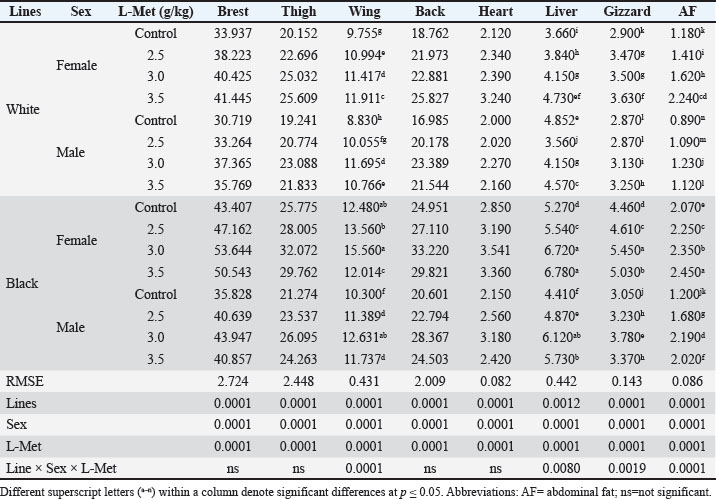
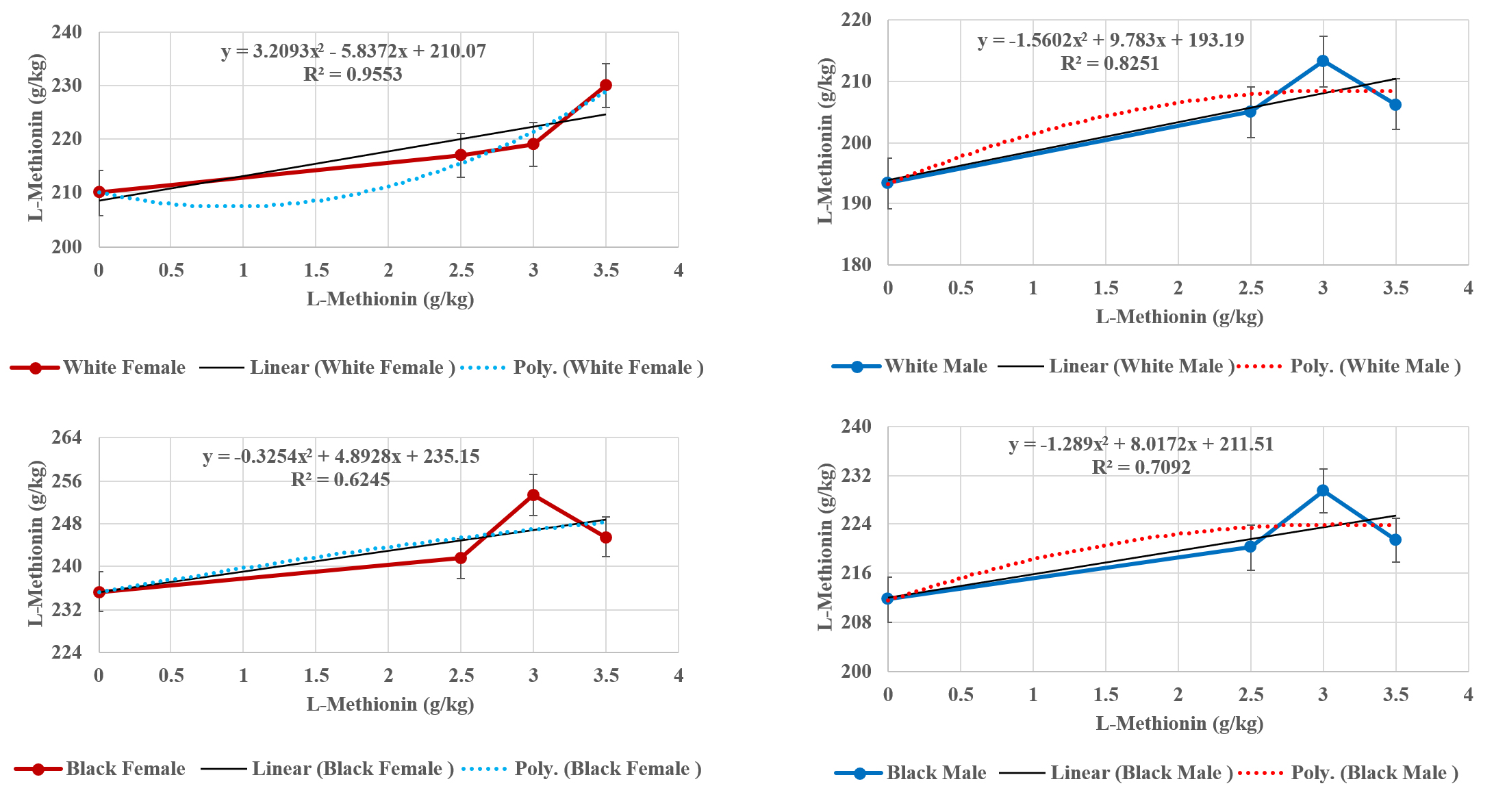
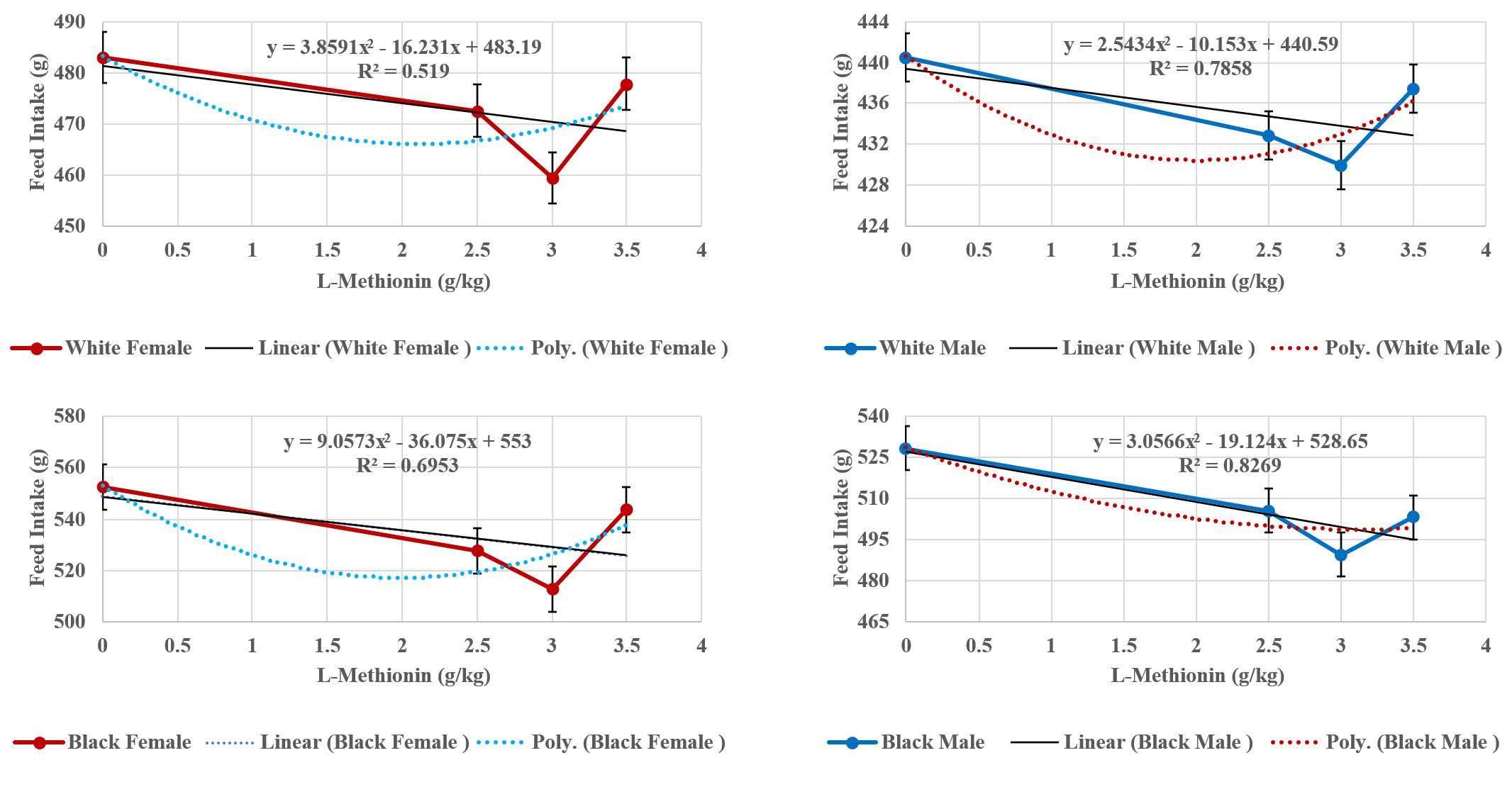
Black quails showed higher FI than white quails (488.42–552.61 g vs. 430.00–482.91 g), whereas incremental L-Met supplementation reduced FI and improved FCR. BW and CW were consistently higher in black quails, and males outperformed females. The maximum BW (253.35 g) and CW (198.43 g) were recorded in black males receiving 3.0 g/kg L-Met, whereas the lowest values were observed in white males on the control diet (193.33 g BW; 120.36 g CW). L-Met supplementation also significantly increased DP, reaching 79.85% in black males fed 3.5 g/kg L-Met compared to 62.26% in white males on the control diet. Carcass part and internal organ yields were significantly affected by the interactions of genetic line, sex, and dietary treatment (Table 3), with highly significant differences (p ≤ 0.0001) across lines, sexes, and L-Met levels. Black quails consistently showed higher breast, thigh, wing, and back weights than white quails, with the highest values in black females supplemented with 3.0 g/kg L-Met (53.64 g breast weight, 32.07 g thigh weight, 15.56 g wing weight, and 33.22 g back weight). Conversely, the lowest yields were observed in white males on the control diet. Females generally outperformed males in all carcass parts, particularly breast and thigh weights (p ≤ 0.0001). Increasing dietary L-Met significantly enhanced carcass yields across sexes and lines, with optimal improvements at 3.0 g/kg, beyond which responses platitude or slightly declined. Second-order polynomial regression analyses of BW and FI in response to graded dietary L-Met supplementation are presented in Figures 2 and 3, respectively. Across treatments, diet T3 yielded the highest mean BW and FI compared with the other groups. In both sexes of the white and brown quail lines, BW showed a curvilinear increase with rising Met levels, reaching a plateau at the highest inclusion rate. These patterns demonstrate a positive quadratic response to Met supplementation, with response magnitude variations between lines and sexes. Table 3. Effects of genetic line, sex, and graded dietary L-Met levels, and their interactions, on carcass part yields of local quails (mean ± SEM).
Fig. 2. Quadratic regression of BW in male and female local quail lines in response to graded dietary L-Met supplementation.
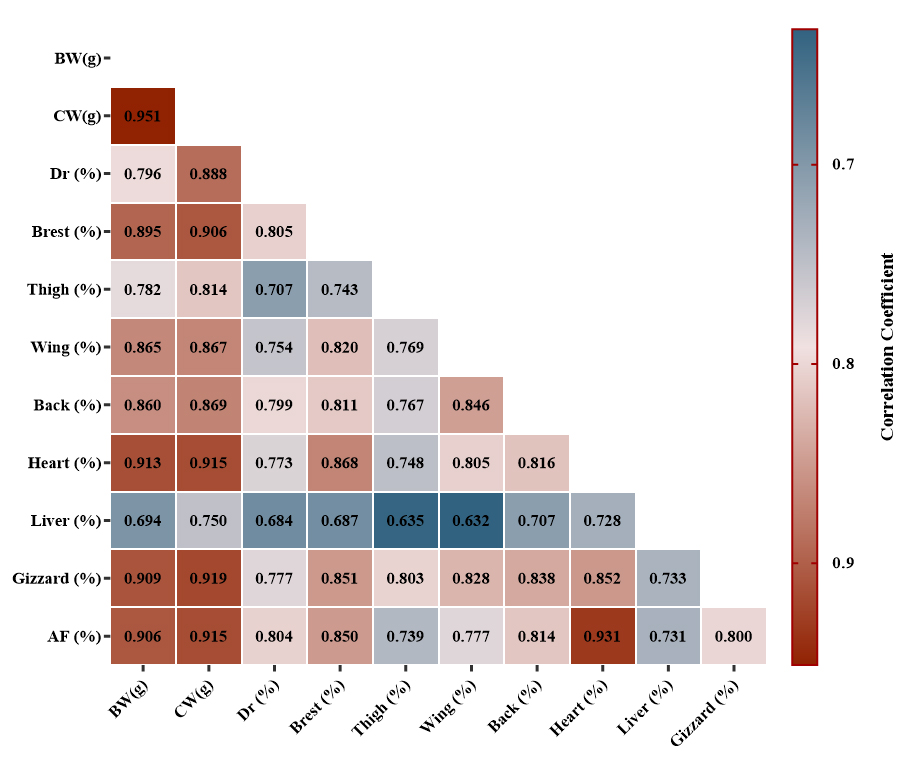
Fig. 3. Quadratic regression of FI in male and female local quail lines in response to graded dietary L-Met supplementation. Correlation between carcass yield and internal organ weightPearson’s correlation analysis (Fig. 4) revealed highly significant positive associations (p ≤ 0.01) among BW, CW, DP, and the weights of individual carcass components and internal organs in local quails. BW was strongly correlated with CW (r=0.951) and DP (r=0.796), as well as with major carcass parts, including breast (r=0.895), thigh (r=0.782), wing (r=0.865), and back (r=0.860). The heart and gizzard weights also showed strong correlations with BW (r=0.913 and 0.909, respectively). Liver weight was moderately positively correlated with BW (r=0.694). CW was highly correlated with breast (r=0.906), thigh (r=0.814), wing (r=0.867), back (r=0.869), heart (r=0.915), and gizzard (r=0.919) weights. DP was positively associated with all carcass components and organs, particularly the heart (r=0.773) and gizzard (r=0.777). Abdominal fat was strongly correlated with BW (r=0.906), CW (r=0.915), heart (r=0.931), and other carcass parts, indicating that increased overall growth is associated with greater fat deposition.
Fig. 4. Correlation matrix illustrating Pearson coefficients among BW, carcass traits, and organ weights in local Kurdish quails. Dark red indicates very strong positive correlations (r ≥ 0.90), light red to pink denotes moderate to strong correlations (r=0.70–0.89), and blue represents weak correlations (r < 0.70).
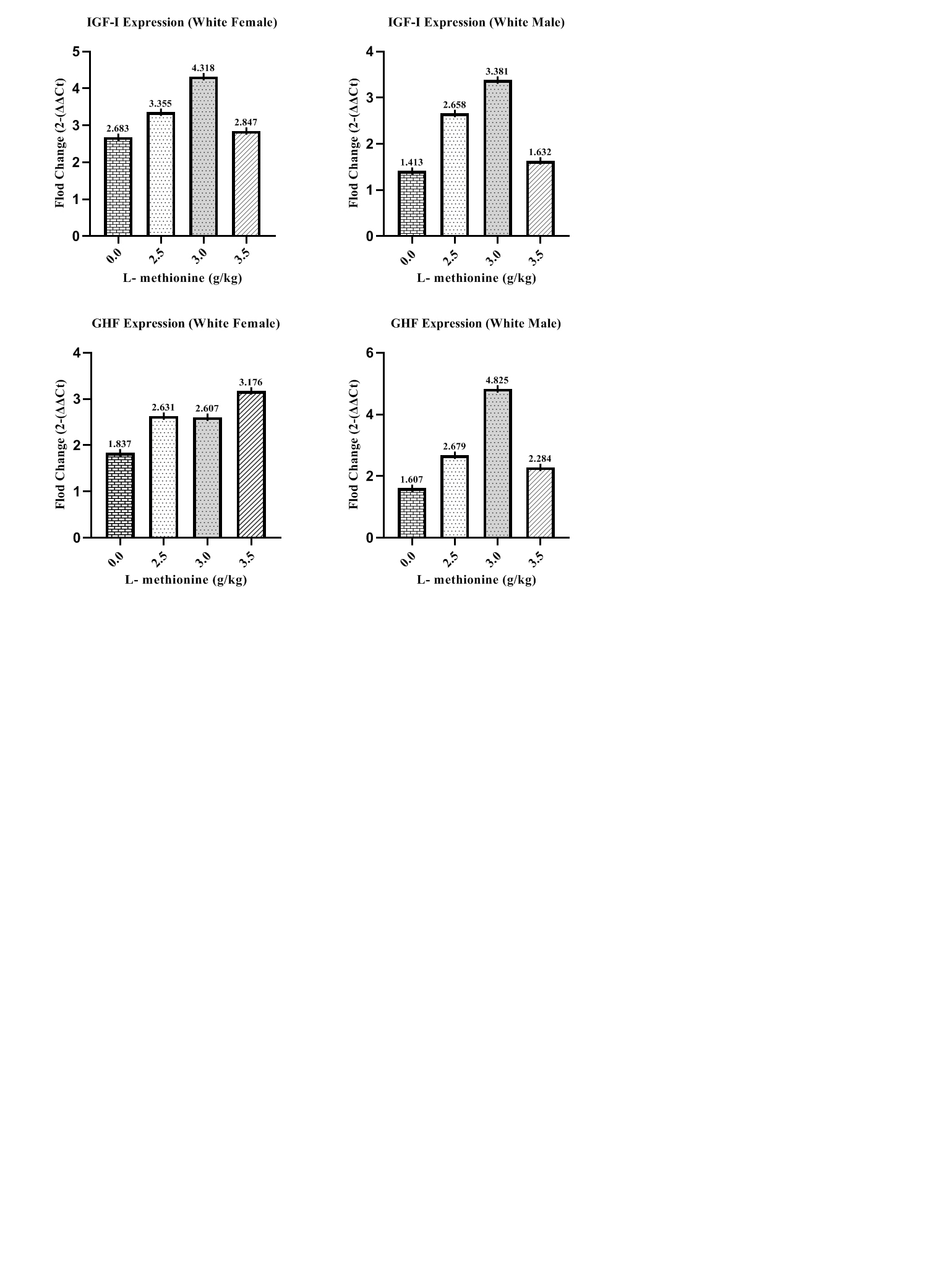
Fig. 5. Expression levels of IGF-1 and GHR genes in male and female white-line quails fed diets with different L-Met concentrations (n=4 per group). Dietary treatments: T0 – 0.0; T1 – L-Met 2.5 g/kg; T2 – L-Met 3.0 g/kg; T3 – L-Met 3.5 g/kg.
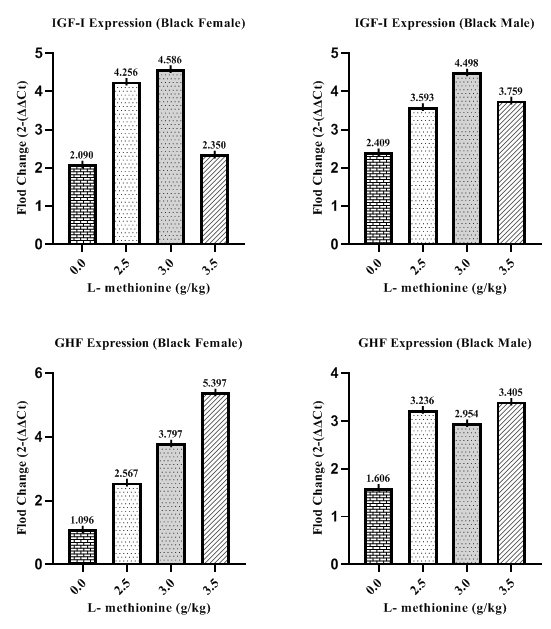
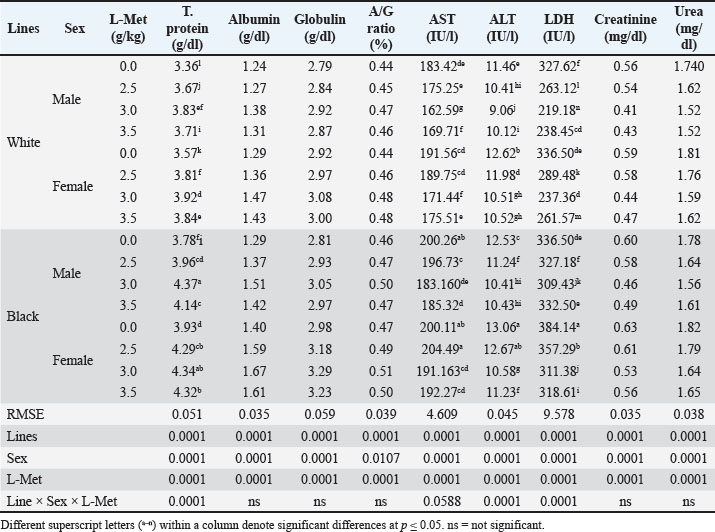
Fig. 6. Expression levels of IGF-1 and GHR genes in male and female black-line quails fed diets with different L-Met concentrations (n=4 per group). Dietary treatments: T0 – Control; T1 – L-Met 2.5 g/kg; T2 – L-Met 3.0 g/kg; T3 – L-Met 3.5 g/kg. Serum biochemical responses to L-Met in quailsThe effects of L-Met supplementation on the serum biochemical traits of quails are presented in Table 4. Total protein, albumin, globulin, and the Albumin/Globulin Ratio (A/G) ratio increased with rising dietary L-Met levels, with the greatest elevations generally observed at 3.0 g/kg in comparison with the control group (p ≤ 0.0001). The black line and females exhibited higher serum total protein, albumin, and globulin levels than males and the white line across most supplementation levels. Liver enzyme activities (AST, ALT, and LDH) showed noticeable variation among treatments; AST and ALT were highest in black-line females under lower supplementation levels, whereas the lowest enzyme activities were recorded in white-line males receiving higher Met levels (p ≤ 0.0001). LDH activity generally declined with Met supplementation up to 3.0 g/kg but increased again at 3.5 g/kg (p ≤ 0.05). Serum creatinine and urea concentrations decreased slightly in L-Met-supplemented groups, with the lowest values detected at 3.0 g/kg, although the highest concentrations occurred at 0.0 and 3.5 g/kg (p ≤ 0.05). A significant Line × Sex × L-Met interaction affected total protein, A/G ratio, AST, ALT, and LDH, whereas the interaction did not affect albumin, globulin, creatinine, and urea. Table 4. Effects of dietary L-Met supplementation on hematobiochemical parameters in local quails.
Tissue-specific expression of GH and IGF-1 mRNA in quailRelative mRNA expression was quantified using the 2⁻ΔΔCt method and expressed as fold-change relative to the control group (T0; 0 g/kg L-Met). The hepatic expression of GH-axis genes (IGF-1 and GHR) was significantly influenced by genetic line, sex, and dietary L-Met level (Figs. 5 and 6). In both white and black lines, IGF-1 expression peaked at 3.0 g/kg L-Met (T2), reaching 4.91- and 4.586-fold in females and 3.91- and 4.498-fold in males, respectively. Lower (2.5 g/kg; T1) or higher (3.5 g/kg; T3) levels of supplementation produced comparatively moderate responses. GHR expression showed a dose-dependent increase, particularly in the black line, with maximal up regulation at observed 3.5 g/kg (T3), especially in females (up to 5.397-fold). In the white line, the peak GHR expression occurred at T3 in females (3.95-fold) and at T2 in males (6.42-fold). Collectively, 3.0 g/kg L-Met optimally stimulated hepatic IGF-1 expression, enhanced somatotropic signaling at moderate levels, whereas 3.5 g/kg L-Met preferentially upregulated GHR, particularly in females. These findings indicate a dose-dependent modulation of the GH–IGF axis, with potential implications for quail growth regulation and metabolic responsiveness. DiscussionThis study demonstrates that dietary supplementation with graded levels of L-Met significantly enhances local quail growth performance, carcass traits, and physiological responses, with outcomes strongly influenced by genetic line and sex. Black quails consistently exhibited superior final BWs and carcass yields across treatments compared with white quails, confirming inherent line-dependent differences in growth potential (Rehman et al., 2021). Sex-specific variations were also evident: females showed higher BW and CW, possibly due to greater reproductive organ mass, whereas males achieved higher DPs, consistent with earlier reports in quails and chickens (Ahmed, 2020; Ahmed and Al-Barzinji, 2022). Graded L-Met supplementation (2.5–3.5 g/kg) markedly improved FI, weight gain, and major carcass traits, with optimal responses generally observed at 3.0–3.5 g/kg. These findings align with those of prior studies in poultry demonstrating the pivotal role of Met in enhancing protein synthesis, muscle accretion, feather development, and feed conversion efficiency (Wang et al., 2019; Asasi et al., 2023). Met, particularly its L-form, is critical for protein synthesis and muscle accretion, and its interaction with lysine is essential for maximizing growth and carcass quality (Liu et al., 2023). The present study builds on the work of Dalólio et al. (2021, 2024), who reported that Met supplementation improves broiler growth performance, carcass yield, and metabolizable energy utilization, further supporting the essential role of Met in regulating nutrient efficiency and muscle development in poultry. Carcass composition was strongly shaped by genetic line, sex, and dietary Met level. Black quails outperformed white quails in breast, thigh, wing, and back yields, while females generally exhibited higher carcass component yields than males, further emphasizing the role of genetic and endocrine factors in tissue deposition (Rehman et al., 2021; Ahmed et al., 2025). Dietary L-Met, especially at 3.0 g/kg, significantly enhanced carcass part yields, reflecting its role as the first limiting amino acid in poultry diets and its importance for muscle growth, feather development, and protein metabolism (Bunchasak, 2009). Dietary Met at 3.0 g/kg was most effective in enhancing carcass part yields, consistent with previous findings linking Met adequacy to improved muscle growth and digestive organ development (Akter et al., 2020; Miah et al., 2022; Khatun et al., 2026). Increased liver and gizzard weights at higher supplementation levels may reflect elevated metabolic activity and enhanced digestive efficiency (Wilfred et al., 2024). Overall, the results verify that moderate L-Met inclusion supports favorable carcass composition while excessive supplementation can impose metabolic strain. The quadratic responses of BW and FI to increasing Met levels indicate that quails respond optimally to intermediate inclusion rates, with diminishing returns at higher levels. Both lines displayed curvilinear improvement, with T3 (3.0 g/kg) supporting the greatest performance gains. This agrees with Ruby et al. (2022)who observed maximal weight gain at intermediate Met levels, and with Rachmawati et al. (2023)who reported significant (p ≤ 0.05) improvements in feed utilization efficiency and FCR with balanced Met supplementation. Collectively, the evidence indicates that moderate Met levels maximize growth, feed efficiency, and nutrient utilization in quail. Correlation analysis revealed strong positive associations between BW and major carcass components, including CW, DP, breast, thigh, wing, back, heart, liver, gizzard, and abdominal fat. These interrelationships reflect coordinated muscle and organ development and support the notion that improvements in growth via Met supplementation simultaneously enhance carcass quality (Omoleye et al., 2021). Abdominal fat increased with higher BW and heart weights, suggesting a physiological link between improved nutrient use efficiency and fat deposition. Blood biochemical traits also provided valuable insights into metabolic responses to dietary Met. Consistent with Hadinia et al. (2014) and AL-Neemi et al. (2018)Met supplementation influenced serum globulin more markedly than total protein or albumin, indicating stable protein metabolism. Similar to Reda et al. (2020)higher Met inclusion (3.5 g/kg) elevated AST and ALT, suggesting that excessive levels may impose hepatic stress, while moderate levels reduced LDH activity and improved lipid metabolism through elevated HDL concentrations. Renal indicators such as creatinine and urea were lowest at moderate supplementation (0.5–1.5 g/kg) but increased at excessive inclusion (3.5 g/kg), suggesting dose-dependent effects on kidney function. Although some studies report no significant changes in serum constituents with Met supplementation (El-Gogary et al., 2023), differences among strains, ages, and environmental conditions likely explain these variable responses. Collectively, the present findings indicate that moderate L-Met levels support healthy liver and kidney status, whereas higher doses may induce metabolic strain. At the molecular level, the growth-promoting effects of dietary Met are mediated through the somatotropic axis, including GH, GHR, and IGF-1. IGF-1, produced largely by the liver and locally by skeletal muscle, plays a central role in promoting muscle protein synthesis and mitigating oxidative stress (Anh et al., 2015; Vignale et al., 2017). Endocrine regulators such as corticosterone and triiodothyronine (T3) further modulate this axis by influencing insulin signaling and nutrient deposition (Macari and Maiorka, 2017). Met supplementation may upregulate components of the somatotropic axis, including GHR expression, thereby enhancing growth efficiency (Del Vesco et al., 2013). In this study, L-Met supplementation significantly modulated hepatic GHR and IGF-1 expression in a sex- and line-dependent manner. Moderate inclusion (3.0 g/kg) maximized IGF-1 transcription, whereas higher inclusion (3.5 g/kg) more strongly induced GHR expression, particularly in females. These findings indicate that tailored Met levels can selectively stimulate growth-regulating genes, improving muscle development and carcass yield (Mai et al., 2019; Yenice et al., 2023). Differential responses of IGF-1 and GHR suggest gene-specific Met requirements. Similar observations have been reported in broilers, where Met supplementation increased GHR expression without consistently affecting IGF-I, and genetic background influenced the magnitude of response (Del Vesco et al., 2013; Lugata et al., 2024). Additionally, Met deficiency has been shown to induce autophagy-related genes (ATG5, BECN1), suggesting that adequate Met is critical for maintaining protein turnover and muscle growth (Zeitz et al., 2019), overall, these results highlight a clear cause–effect relationship: dietary L-Met enhances somatotropic axis activity, which drives coordinated improvements in growth performance, carcass composition, and muscle development, with responses modulated by sex and genetic line. Optimizing Met levels in quail diets can therefore serve as a practical strategy to maximize production efficiency and carcass quality. ConclusionDietary L-Met supplementation enhances local quail growth performance, carcass traits, and metabolic function, with responses influenced by genetic line and sex. Moderate supplementation (3.0–3.5 g/kg) yielded optimal BW, carcass composition, and organ development. Hepatic IGF-1 and GHR upregulation indicates that L-Met supports growth via the somatotropic axis. These results demonstrate that tailored L-Met supplementation is an effective strategy to improve quail production efficiency and carcass quality. AcknowledgmentsThe authors extend their gratitude to the College of Agricultural Engineering Sciences at Salahaddin University-Erbil for their invaluable support and technical assistance throughout this research. Conflict of interestThe authors hereby disclose that there are no competing interests, whether financial or otherwise, related to the work presented in this manuscript. FundingThe study received no funding. Authors’ contributionsLajan Salahaldin Ahmed* conceived and designed the study, conducted the experiments, analyzed the data, and drafted the manuscript. Muhsin Ali Ahmed contributed to the data collection, laboratory analysis, and interpretation of the results. Payam Sadik Sabir assisted in statistical analysis, critical revision, and final manuscript approval. All authors have read and approved the final version of the manuscript. Data availabilityThe datasets generated and analyzed during the current study are available upon reasonable request from the corresponding author. ReferencesAgostini, P.S., Dalibard, P., Mercier, Y., Van Der Aar, P. and Van Der Klis, J.D. 2016. Comparison of methionine sources around requirement levels using a methionine efficacy method in 0 to 28 day old broilers. Poultry. Sci. 95(3), 560–569; doi:10.3382/ps/pev340 Agostini, P.S., Santos, R.R., Khan, D.R., Siebert, D. and Van Der Aar, P. 2019. The optimum valine: lysine ratios on performance and carcass traits of male broilers based on different regression approaches. Poultry. Sci. 98(3), 1310–1320; doi:10.3382/ps/pey454 Ahmed, L., Mohammed, D.A., Kareem, K.Y. and Sabir, P.S. 2025. GH and IGF1 gene variation and carcass yield characteristics in three Kurdish quail lines. J. Wildlife. Biodiversity. 9(1), 136–154; doi:10.5281/zenodo.14634895 Ahmed, L.S. 2020. DNA markers of three genes and their associations with meat and egg production traits in local varieties of quail in Kurdistan Region. PhD Dissertation, Department of Animal Production, College of Agricultural Engineering Sciences, Salahaddin University-Erbil, Erbil, Iraq. Ahmed, L.S. and Al-Barzinji, Y.M. 2022. Detection of quantitative loci correlation with growth traits in local quail using PCR-RFLP technique. Iraqi J. Agricult. Sci. 53(1), 16–26; doi:10.36103/ijas.v53i1.1501 Akter, N., Islam, M.S., Zaman, S., Jahan, I. and Hossain, M.A. 2020. The impact of different levels of L-methionine on carcass yield traits, serum metabolites, tibial characters, and profitability of broilers fed conventional diet. J. Adv. Vet. Anim. Res. 7(2), 253–259; doi:10.5455/javar.2020.g417 AL-Neemi, M.I., Ameen, Q.H., Mohammed, M.A. and Bahaal-Deen, M.S. 2018. Effect of adding creatine and methionine on Japanese quails performance. J. Z. Sulaimani, 1(1), 431–438; doi: 10.17656/jzs.10689 Al-Samerria, S. and Radovick, S. 2021. The role of insulin-like growth factor-1 (IGF-1) in the control of neuroendocrine regulation of growth. Cells 10(10), 2664; doi:10.3390/cells10102664 Anh, N.T.L., Kunhareang, S. and Duangjinda, M. 2015. Association of chicken growth hormones and insulin-like growth factor gene polymorphisms with growth performance and carcass traits in Thai broilers. Asian-Australasian J. Anim. Sci. 28(12), 1686–1695; doi:10.5713/ajas.15.0028 Araujo, R., Polycarpo, G., Barbieri, A., Silva, K., Ventura, G. and Polycarpo, V. 2019. Performance and economic viability of broiler chickens fed with probiotic and organic acids in an attempt to replace growth-promoting antibiotics. Braz. J. Poultry. Sci. 21(2), 1–7; doi:10.1590/1806-9061-2018-0912 Asasi, R., Ahmadi, H., Torshizi, M.A.K., Torshizi, R.V. and Shariatmadari, F. 2023. Assessing the nutritional equivalency of DL-methionine and L-methionine in broiler chickens: a meta-analytical study. Poultry. Sci. 102(12), 103143; doi:10.1016/j.psj.2023.103143 Becquet, P., Vazquez-Anon, M., Mercier, Y., Wedekind, K., Mahmood, T., Batonon-Alavo, D.I. and Yan, F. 2023. A systematic review of metabolism of methionine sources in animals: one parameter does not convey a comprehensive story. Anim. Nutr. 13, 31–49; doi:10.1016/j.aninu.2023.01.009 Brahmkhatri, V.P., Prasanna, C. and Atreya, H.S., 2015. Insulin‐like growth factor system in cancer: novel targeted therapies. BioMed. Res. Int. 2015(1), 538019; doi: 10.1155/2015/538019 Bunchasak, C. 2009. Role of dietary methionine in poultry production. J. Poultry. Sci. 46(3), 169–179; doi:10.2141/jpsa.46.169 Dalólio, F., Teixeira Albino, L.F., Nogueira Da Silva, J., Fireman, A.K.A.T., Burin., Busanello, M. and Ribeiro, V. 2021. Dietary chromium-methionine supplementation and broiler responses during heat stress: growth performance and carcass yield. Anim. Prod. Sci. 61(6), 586–595; doi:10.1071/AN23354 Dalólio, F.S., Albino, L.F.T., De Oliveira, H.C., Fireman, A.K.B.A.T., Burin Junior, A., Busanello, M., Rohloff Junior, N., Silva Tesser, G.L. and Nunes, R.V. 2024. Dietary chromium-methionine supplementation and broiler (22–43 days) responses during heat stress: physiological variables and gene expression. Anim. Prod. Sci. 64(7), N23354; doi:10.1071/AN23354 Del Vesco, A.P., Gasparino, E., Oliveira Neto, A.R., Guimarães, S.E.F., Marcato, S.M.M. and Voltolini, D.M. 2013. Dietary methionine effects on IGF-I and GHR mRNA expression in broilers. Genet. Mol. Res. 12(4), 6414–6423. El-Gogary, M., Abo Elmaaty, H., Attia, M., Helal, M., Tariq, M., Ashraf, M., Essam, A., Hassan, A., Kamel, A., Magdy, M. and Ramadan, I. 2023. Effect of dietary level of DL-methionine on growth performance and blood parameters in Japanese growing quails. J. Anim. Poultry Prod. 14(6), 39–42; doi:10.21608/jappmu.2023.209694.1074 El-Tarras, M.A., Sawsan, S., Moghaieb, Y.R.E., Ramadan, G.S., Stino, F.K.R. and El-Assal, S. 2019. Effects of DL-methionine supplementation to broiler and native chicken feed on the expression of breast muscle and liver genes. Biosci. Res. 16(3), 2805–2820. Hadinia, S., Shivazad, M., Moravej, H., Alahyari-Shahrasb, M. and Nabi, M.M. 2014. Bio-efficacy comparison of herbal-methionine and DL-methionine based on performance and blood parameters of broiler chickens. Vet. Res. Forum. 5(2), 81–87. Jia, J., Ahmed, I., Liu, L., Liu, Y., Xu, Z., Duan, X., Li, Q., Dou, T., Gu, D., Rong, H., Wang, K., Li, Z., Talpur, M.Z., Huang, Y., Wang, S., Yan, S., Tong, H., Zhao, S., Zhao, G., Te Pas, M.F.W., Su, Z. and Ge, C. 2018. Selection for growth rate and body size have altered the expression profiles of somatotropic axis genes in chickens. PLos One 13(4), 195378; doi:10.1371/journal.pone.0195378 Khatun, H., Sultana, S., Faruque, S., Md Sazedul Karim, S., Md. Redoan Akond, S., Md Mizanur Rahman, M. and Ali, M.Z. 2026. Effects of dietary variations in methionine and lysine levels on the growth performance and carcass characteristics of BLRI-improved hilly chicken. Egypt. J. Vet. Sci. 57(4), 23–28; doi:10.21608/EJVS.2026.434636.3210 Lemme, A., Naranjo, V. and De Paula Dorigam, J.C. 2020. Utilization of methionine sources for growth and Met + Cys deposition in broilers. Animals 10(12), 2240; doi:10.3390/ani10122240 Liu, X., Shi, L., Su, B., Liu, A., Wang, D., Chen, Y., Hao, E., Bai, H., Sun, Y., Li, Y., Chen, J. and Chen, H. 2025. Long 24-h ahemeral light cycle improved eggshell quality of hens in late laying period. Poultry. Sci. 104(4), 104959; doi:10.1016/j.psj.2025.104959 Liu, Y., Wang, D., Zhao, L., Zhang, J., Huang, S. and Ma, Q. 2023. Effect of methionine deficiency on growth performance. Front. Vet. Sci. 9, 878107; doi:10.3389/fvets.2022.878107 Livak, K.J. and Schmittgen, T.D. 2001. Analysis of relative gene expression data using real-time quantitative PCR and the 2−ΔΔCt method. Methods 25, 402–408; doi:10.1006/METH.2001.1262 Lugata, J.K., Ndunguru, S.F., Reda, G.K., Ozsváth, X.E., Angyal, E., Czeglédi, L., Gulyás, G., Knop, R., Oláh, J., Mészár, Z., Varga, R., Csernus, B. and Szabó, C. 2024. Methionine sources and genotype affect embryonic intestinal development, antioxidants, tight junctions, and growth-related gene expression in chickens. Anim. Nutr. 16, 218–230; doi:10.1016/j.aninu.2023.11.005 Macari, M. and Maiorka, A. 2017. Fisiologia das aves comerciais. Jaboticabal, Brazil: Funep. Mai, A.E.-T., Stino, R. and El-Assal, S. 2019. Effects of DL-methionine supplementation in broiler and native chicken feed on gene expression. Biosci. Res. 16(3), 2805–2820. Miah, M.Y., Saha, S., Koiri, N., Mahbub, A., Islam, M.A. and Channarayapatna, G. 2022. Effects of dietary methionine and threonine on growth performance, carcass traits and blood metabolites of broilers in a hot environment. Eur. Poultry. Sci. 86, 1–13; doi:10.1399/eps.2022.348 National Research Council. 1994. Nutrient requirements of poultry, 9th ed. Washington, DC: National Academies Press. Omoleye, O.S., Oriade, W.A., Adebayo, F.B. and Adigun, O.T. 2021. Growth performance and carcass characteristics of Japanese quail raised on deep litter system in South Western Nigeria. Elixir. Int. J. 161, 55798–55803; doi:10.69798/66934181 Rachmawati, D., Samidjan, I., Elfitasari, T., Nurhayati, D. and Yuniarti, T. 2023. Dietary methionine improves feed efficiency, growth performance, body composition and digestive enzyme activity of catfish fingerlings. AACL. Bioflux 16(3), 1805–1815. Reda, F.M., Swelum, A.A., Hussein, E.O.S., Elnesr, S.S., Alhimaidi, A.R. and Alagawany, M. 2020. Effects of varying dietary DL-methionine levels on productive and reproductive performance of quail breeders. Animals 10(10), 1839; doi:10.3390/ani10101839 Rehman, A.U., Hussain, J., Mahmud, A., Javed, K., Ghayas, A. and Ahmad, S. 2021. Comparative evaluation of carcass characteristics and meat quality attributes of Japanese quail among different lines. Turkish J. Vet. Anim. Sci. 45(4), 700–707; doi:10.3906/vet-2101-60 Ruby, P., Ahilan, B., Antony, C., Manikandavelu, D. and Moses, T.L.S. 2022. Effect of dietary lysine and methionine supplementation on growth and physiological responses of pearlspot fingerlings. Indian. J. Anim. Res. 56(8), 945–958; doi:10.18805/IJAR.B-4897 SAS Institute. 2004. SAS user’s guide: statistics, 6th ed. Cary, NC: SAS Institute Inc. Tan, X., Liu, R., Li, W., Zheng, M., Zhu, D., Liu, D., Feng, F., Li, Q., Liu, L., Wen, J. and Zhao, G. 2022. Assessment of genomic selection and detection of selective signature in broilers. Poultry Sci. 101(6), 101856; doi:10.1016/j.psj.2022.101856 Vignale, K., Caldas, J.V., England, J.A., Boonsinchai, N., Magnuson, A., Pollock, E.D., Dridi, S., Owens, C.M. and Coon, C.N. 2017. Effect of white striping myopathy on breast muscle protein turnover and gene expression in broilers. Poultry. Sci. 96(4), 886–893; doi:10.3382/ps/pew315 Wang, Y., Yin, X., Yin, D., Lei, Z., Mahmood, T. and Yuan, J. 2019. Antioxidant response and bioavailability of methionine hydroxy analogue relative to DL-methionine in broiler chickens. Anim. Nutr. 5(3), 241–247; doi:10.1016/j.aninu.2019.06.007 Wen, C., Jiang, X.Y., Ding, L.R., Wang, T. and Zhou, Y.M. 2017. Effects of dietary methionine on growth performance, meat quality and oxidative status of breast muscle in broilers. Poultry. Sci. 96(6), 1707–1714; doi:10.3382/ps/pew432 Wilfred, N.A.J., Queen, P.M., Grace, M.T. and Louis, T.T. 2024. Effect of dietary methionine to crude protein ratio on performance of Ross 308 broiler chickens. Vet. Anim. Sci. 24, 100350; doi:10.1016/j.vas.2024.100350 Yenice, E., Çenesiz, A.A., Yavaş, I., Toprak, N.N., Çiftci, I. and Ceylan, N. 2023. Investigation of methionine hydroxy analogue efficacy compared to DL-methionine in broilers. Italian. J. Anim. Sci. 22(1), 1083–1094; doi:10.1080/1828051X.2023.2271056 Zeitz, J.O., Mohrmann, S., Käding, S.C., Devlikamov, M., Niewalda, I., Whelan, R., Helmbrecht, A. and Eder, K. 2019. Effects of methionine on muscle protein synthesis and degradation pathways in broilers. J. Anim. Physiol. Anim. Nutr. 103(1), 191–203; doi:10.1111/jpn.13026 Zhang, J., Geng, S., Zhu, Y., Li, L., Zhao, L., Ma, Q. and Huang, S. 2024. Effects of dietary methionine supplementation on growth performance, immune responses, and antioxidant capacity of layer chicks. Poultry. Sci. 103(3), 103382; doi:10.1016/j.psj.2023.103382 Zhang, S., Gilbert, E.R., Saremi, B. and Wong, E.A. 2018. Supplemental methionine sources have a neutral impact on oxidative status in broiler chickens. J. Anim. Physiol. Anim. Nutr. 102(5), 1274–1283. | ||
| How to Cite this Article |
| Pubmed Style Ahmed LS, Ahmed MA, Sabir PS. Impact of L-methionine supplementation on growth performance, serum biochemical parameters, and gene expression of GHR/IGF-I in local quails. Open Vet. J.. 2026; 16(6): 3606-3619. doi:10.5455/OVJ.2026.v16.i6.33 Web Style Ahmed LS, Ahmed MA, Sabir PS. Impact of L-methionine supplementation on growth performance, serum biochemical parameters, and gene expression of GHR/IGF-I in local quails. https://www.openveterinaryjournal.com/?mno=303696 [Access: June 26, 2026]. doi:10.5455/OVJ.2026.v16.i6.33 AMA (American Medical Association) Style Ahmed LS, Ahmed MA, Sabir PS. Impact of L-methionine supplementation on growth performance, serum biochemical parameters, and gene expression of GHR/IGF-I in local quails. Open Vet. J.. 2026; 16(6): 3606-3619. doi:10.5455/OVJ.2026.v16.i6.33 Vancouver/ICMJE Style Ahmed LS, Ahmed MA, Sabir PS. Impact of L-methionine supplementation on growth performance, serum biochemical parameters, and gene expression of GHR/IGF-I in local quails. Open Vet. J.. (2026), [cited June 26, 2026]; 16(6): 3606-3619. doi:10.5455/OVJ.2026.v16.i6.33 Harvard Style Ahmed, L. S., Ahmed, . M. A. & Sabir, . P. S. (2026) Impact of L-methionine supplementation on growth performance, serum biochemical parameters, and gene expression of GHR/IGF-I in local quails. Open Vet. J., 16 (6), 3606-3619. doi:10.5455/OVJ.2026.v16.i6.33 Turabian Style Ahmed, Lajan Salahaldin, Muhsin A. Ahmed, and Payam S. Sabir. 2026. Impact of L-methionine supplementation on growth performance, serum biochemical parameters, and gene expression of GHR/IGF-I in local quails. Open Veterinary Journal, 16 (6), 3606-3619. doi:10.5455/OVJ.2026.v16.i6.33 Chicago Style Ahmed, Lajan Salahaldin, Muhsin A. Ahmed, and Payam S. Sabir. "Impact of L-methionine supplementation on growth performance, serum biochemical parameters, and gene expression of GHR/IGF-I in local quails." Open Veterinary Journal 16 (2026), 3606-3619. doi:10.5455/OVJ.2026.v16.i6.33 MLA (The Modern Language Association) Style Ahmed, Lajan Salahaldin, Muhsin A. Ahmed, and Payam S. Sabir. "Impact of L-methionine supplementation on growth performance, serum biochemical parameters, and gene expression of GHR/IGF-I in local quails." Open Veterinary Journal 16.6 (2026), 3606-3619. Print. doi:10.5455/OVJ.2026.v16.i6.33 APA (American Psychological Association) Style Ahmed, L. S., Ahmed, . M. A. & Sabir, . P. S. (2026) Impact of L-methionine supplementation on growth performance, serum biochemical parameters, and gene expression of GHR/IGF-I in local quails. Open Veterinary Journal, 16 (6), 3606-3619. doi:10.5455/OVJ.2026.v16.i6.33 |


