Open Veterinary Journal, (2026), Vol. 16(6): 3640-3659
Review Article
10.5455/OVJ.2026.v16.i6.36
Endometritis as an underlying cause of repeat cattle breeding
Herry Agoes Hermadi1*, Aswin Rafif Khairullah2, Yenny Damayanti3, Erma Safitri1, Syahputra
Wibowo4, Bima Putra Pratama5, Saifur Rehman6, Imam Mustofa1, Mutasem Abuzahra7, Yelsi Listiana Dewi7, Ulvi Fitri Handayani7, Latifah Latifah7, Riza Zainuddin Ahmad2, Lili Anggraini7, Zein Ahmad Baihaqi7 and Wasito Wasito2
1Department of Veterinary Reproduction, Faculty of Veterinary Medicine, Universitas Airlangga, Surabaya, Indonesia
2Research Center for Veterinary Science, National Research and Innovation Agency (BRIN), Bogor, Indonesia
3Department of Veterinary Anatomy, Faculty of Veterinary Medicine, Universitas Airlangga, Surabaya, Indonesia
4Eijkman Research Center for Molecular Biology, National Research and Innovation Agency (BRIN), Bogor, Indonesia
5Research Center for Process Technology, National Research and Innovation Agency (BRIN), South Tangerang, Indonesia
6Department of Pathobiology, Faculty of Veterinary and Animal Sciences, Gomal University, Indus HWY, Pakistan
7Research Center for Animal Husbandry, National Research and Innovation Agency (BRIN), Bogor, Indonesia
*Corresponding Author: Herry Agoes Hermadi. Department of Veterinary Reproduction, Faculty of Veterinary Medicine, Universitas Airlangga, Surabaya, Indonesia. Email: herry-a-h [at] fkh.unair.ac.id
Submitted: 25/01/2026 Revised: 05/05/2026 Accepted: 18/05/2026 Published: 11/06/2026
© 2025 Open Veterinary Journal
This is an Open Access article distributed under the terms of the Creative Commons Attribution-Non Commercial-No Derivatives License (http://creativecommons.org/licenses/by-nc-nd/4.0/), which permits non-commercial re-use, distribution, and reproduction in any medium, provided the original work is properly cited, and is not altered, transformed, or built upon in any way.
Abstract
Repeat breeding is a common reproductive disorder in dairy and beef cattle and has a significant impact on livestock farming production efficiency and economic losses. Veterinarians characterize this disorder by repeated failure to conceive despite normal estrous cycles and proper artificial insemination techniques after three or more consecutive services. One of the main causes of repeat breeding in cattle is clinical and subclinical endometritis (SCE), which often goes undetected through conventional clinical examination. In cattle, SCE is characterized by inflammation of the endometrium without obvious clinical symptoms. However, it can alter the uterine environment, thereby impairing fertilization, early embryo development, maternal recognition of pregnancy, and embryo implantation. This review comprehensively examines and synthesizes recent bovine-based scientific evidence related to the contribution of endometritis to repeat breeding in cattle. The concept and classification of repeat breeding and endometritis, pathogenic mechanisms involving colonization and persistence of pathogens in the uterus, bovine endometrial inflammatory response, and hormonal imbalances, particularly progesterone-associated disruption of corpus luteum (CL) function, that affect pregnancy establishment are discussed. Furthermore, various predisposing factors contributing to the development of endometritis, such as management practices, nutritional and metabolic status, and individual cow characteristics, are systematically described. Various diagnostic methods, ranging from clinical evaluation, endometrial cytology, and reproductive tract ultrasonography to microbiological and molecular approaches, are also discussed as a basis for determining appropriate management strategies in cattle herds. This article also highlights therapeutic options and preventive measures focused on improving reproductive health through evidence-based herd management, early diagnosis, and prudent antimicrobial use to minimize the risks of antimicrobial resistance. Overall, endometritis plays a significant role in the occurrence of repeat breeding in cattle, making early detection and the implementation of integrated reproductive management management key to improving fertility rates and livestock production efficiency.
Keywords: Cattle, Endometritis, Fertility, Repeat breeding, Subclinical.
Introduction
Successful reproductive function is a fundamental component in determining productivity and efficiency in dairy and beef cattle production systems (Consentini et al., 2021). In dairy herds, reproductive efficiency plays a crucial role in maintaining optimal calving intervals, maximizing calf crop, and sustaining milk yield (Jammer et al., 2025). Disturbances in the reproductive system not only reduce the biological performance of livestock but also have far-reaching impacts on the livestock system’s economics, management, and sustainability (Kappes et al., 2023).
Repeat breeding is a reproductive disorder frequently encountered in the field, a condition in which a female cow fails to conceive after three or more consecutive services despite repeated artificial insemination (AI) or natural mating, while the estrous cycle is normal and no obvious clinical abnormalities in the reproductive organs are identified (Maulana et al., 2022). Repeat breeding often reflects underlying subclinical reproductive disorders, particularly uterine inflammation and endocrine dysfunction, which are difficult to detect in the early stages, resulting in suboptimal and delayed treatment (Pérez-Marín and Quintela, 2023).
The economic impact of repeat breeding is significant (Khair et al., 2018). This condition leads to a decrease in the conception rate, an increase in the number of inseminations required to achieve pregnancy, and an extension of the open-day period (Pongkapadang et al., 2025). Consequently, production costs increase due to increased semen use, insemination services, medications, and additional care requirements, while livestock productivity decreases (Zuidema et al., 2021). In dairy cattle systems, repeat breeding is associated with reduced lactation efficiency and delayed achievement of optimal milk production, whereas in beef cattle, it results in delayed calf birth and a lengthened production cycle (Carbonari et al., 2024). Overall, repeat breeding is a major contributor to low reproductive efficiency in both smallholder and industrial-scale farms (Coman et al., 2024).
In cows, reproductive disorders frequently originate during the postpartum period, which is a critical phase characterized by uterine involution, restoration of ovarian cyclicity, and intensive metabolic adaptation (Paiano et al., 2019). During this period, the bovine uterus is particularly susceptible to bacterial contamination because of cervical dilation, tissue remodeling, and transient immunosuppression after parturition, which predispose cows to clinical and subclinical uterine diseases (De Tomasi et al., 2019). Inflammation may persist subclinically and subsequently compromise long-term fertility when uterine clearance mechanisms are impaired (Kasimanickam et al., 2025).
Endometritis is recognized as a major factor contributing to repeat breeding, particularly in its subclinical form (Janowski et al., 2013). Veterinarians characterize subclinical endometritis (SCE) by inflammation of the endometrium without obvious clinical manifestations, often leaving it undetected during routine reproductive examinations (Villaseñor-González et al., 2024). Although this condition does not cause visible external symptoms, it can alter the bovine uterine microenvironment, stimulate pro-inflammatory cytokine production, and disrupt progesterone-dependent support of early pregnancy, thereby reducing embryo viability and conception success (Ou et al., 2025). Consequently, although fertilization may occur, maternal recognition of pregnancy and conceptus development may fail, ultimately leading to repeated pregnancy loss and repeat breeding (Bashiri et al., 2018).
Various studies have indicated that SCE has a relatively high incidence in postpartum cows and plays a significant role in reducing the success rate of artificial intelligence (AI). For example, previous studies reported that approximately 40%–50% of repeat breeder cows may present with SCE, emphasizing its importance as a major fertility-limiting factor in cattle (Bhaskar et al., 2023; Diaz-Lundahl et al., 2021; Barański et al., 2024; Nandagopal et al., (2024), and Hogh-Poulsen et al., 2025). However, the causal relationship between endometritis and repeat breeding (RB) is often multifactorial and influenced by various factors, such as husbandry management practices, nutritional adequacy, metabolic status, parity, and individual cow characteristics (Hermadi et al., 2025). This complexity requires a comprehensive understanding of pathogenic mechanisms, predisposing factors, and integrated diagnostic and therapeutic strategies (Maulana et al., 2022).
Therefore, this review article was written to synthesize and critically evaluate the latest bovine-specific scientific evidence regarding the role of endometritis as a causal factor in repeat breeding in cattle. This study focuses on its definition and classification, pathogenesis mechanisms, risk factors, diagnostic methods, and impact on reproductive success. This review provides a strong scientific basis for developing more effective and sustainable reproductive management strategies to improve fertility and production efficiency in cattle farming.
Repeat breeding in cattle
Repeat breeding is one of the most important reproductive disorders in cattle and is characterized by repeated failure to establish pregnancy despite normal estrous cyclicity, apparently normal genital anatomy, and appropriate AI management (Pérez-Marín and Quintela, 2023). This condition is a major cause of reduced herd fertility and economic loss in both dairy and beef production systems.
Definitions and criteria
Repeat breeding is a reproductive disorder in female cattle, particularly dairy and beef cows, characterized by the failure to conceive despite repeated AI or natural mating with fertile semen, normal estrous cyclicity, and the absence of clinically detectable reproductive abnormalities (Gustafsson and Emanuelson, 2002). A cow is classified as a repeat breeder if it fails to become pregnant after 3 or more consecutive services (Fig. 1). This definition is widely accepted in studies on bovine reproductive medicine and herd fertility.
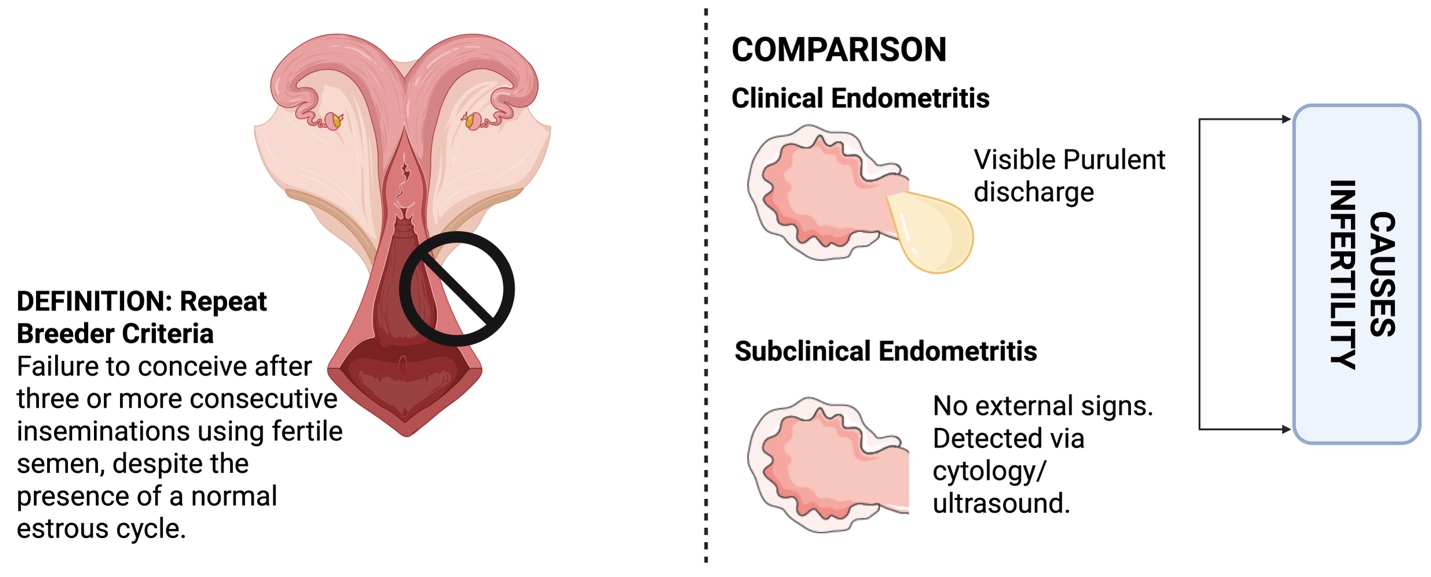
Fig. 1. Conceptual overview of RBS and its association with different forms of endometritis in cattle (designed by the authors).
The persistence of normal estrous cycles, reflected by regular estrous intervals and clear estrous expression, without any clinically detectable anatomical or pathological abnormalities in the ovaries or external reproductive tract, is the main characteristic of repeat breeding (Carbonari et al., 2024). This condition indicates that pregnancy failure in cattle is not primarily caused by ovulatory disorders but is more often related to subclinical uterine pathology, endocrine dysregulation, impaired oocyte quality, or early embryonic loss (Saraswat and Purohit, 2016).
In this context, repeat breeding events are frequently associated with latent uterine disorders, particularly SCE, which does not show obvious clinical symptoms but has a significant impact on the fertilization process, maternal recognition of pregnancy, early embryo development, and conceptus survival during the first 3 weeks post-insemination (Pothmann et al., 2015).
Impact of repeat breeding
Repeat breeding has a significant impact on reproductive efficiency and herd fertility performance in cattle, primarily characterized by a decreased conception rate and an increased number of services per conception (Funeshima et al., 2021). Repeated pregnancy failures reflect low fertilization efficiency, uterine receptivity, and early embryo survival, thereby reducing the probability of establishing a pregnancy in each estrous cycle (Yaginuma et al., 2019).
Furthermore, this condition directly increases the number of days open, defined as the interval between parturition and subsequent successful conception (Keshipour et al., 2024). This interval is significantly prolonged in repeat breeder cows compared with that in normally fertile cows, reflecting both physiological reproductive disturbances and reduced efficiency of herd reproductive management. For example, previous bovine studies reported that repeat breeder cows required approximately 211 days to conceive compared with 114 days in normal-fertility cows (Chebel et al., 2025).
From an economic perspective, the high frequency of insemination, veterinary interventions, hormonal or antimicrobial treatment, and the need for additional labor and reproductive monitoring lead to increased production costs (Steeneveld et al., 2024). Delay in conception results in decreased livestock productivity, both through reduced milk production efficiency in dairy cows and delayed calf birth in beef cattle, ultimately reducing farm profitability through extended calving intervals, increased culling risk, and replacement costs (Desta, 2024).
Endometritis in cows
Endometritis is an inflammatory condition of the uterus that is commonly observed in cattle during the postpartum period and plays an important role in reducing reproductive efficiency, particularly through its negative effects on fertility, conception rate, and subsequent pregnancy success in dairy and beef cows. Postpartum uterine disease is recognized as one of the most important causes of infertility and economic loss in cattle production systems (Hermadi et al., 2025).
Definition and classification
Endometritis is an inflammation of the uterine endometrium that typically occurs 21 days or more after parturition in the absence of systemic illness and significantly contributes to reduced reproductive performance in cows (Tobolski et al., 2025). This inflammatory process may persist because of incomplete bacterial clearance, delayed uterine involution, impaired innate immune response, or metabolic stress during early lactation, even when the uterus has anatomically involuted (Hermadi et al., 2025).
Endometritis is divided into clinical endometritis (CE) and SCE based on its clinical presentation (Singh and Sethi, 2022). Clinical endometritis is characterized by the presence of purulent or mucopurulent vaginal discharge at ≥21 days postpartum, without systemic signs such as fever or anorexia (Okawa et al., 2017). This condition is generally associated with a high bacterial burden in the uterus and a marked inflammatory response (Drillich et al., 2005).
Subclinical endometritis is not accompanied by obvious external clinical manifestations and is generally only detectable through supporting examinations, such as endometrial cytology showing elevated polymorphonuclear neutrophils (PMN) or transrectal ultrasonography (Tobolski et al., 2025). Although clinically silent, this subclinical form significantly impairs fertility by altering the bovine uterine microenvironment, sustaining local inflammation, and compromising early embryonic survival and maternal recognition of pregnancy (Pascottini et al., 2023).
Endometritis must be clearly distinguished from metritis, an acute inflammatory condition involving the entire uterine wall, including the endometrium and deeper tissues, which usually occurs within the first 10–14 days postpartum and is often accompanied by systemic signs such as fever, depression, and reduced feed intake (Drillich and Wagener, 2018; Buzzaccarini et al., 2020). The timing of onset, severity of inflammation, and presence of systemic manifestations are the fundamental differences between the two conditions (Martins et al., 2021).
Endometritis epidemiology
Endometritis is one of the most common reproductive disorders in postpartum cows, with incidence rates varying according to DIM, diagnostic criteria, parity, and herd management conditions (LeBlanc et al., 2002). In dairy cattle, approximately 15%–20% of cows develop CE, whereas SCE may affect approximately 30% of cows beyond 3 weeks postpartum (Várhidi et al., 2024).
In general, the prevalence of endometritis is highest during the first weeks after calving, particularly when uterine involution and bacterial clearance are not optimal or when postpartum complications, such as dystocia, retained fetal membranes, abortion, traumatic calving, or postpartum metritis, occur (Oladejo et al., 2021).
The husbandry system plays a crucial role in determining endometritis risk (Gilbert et al., 2005). Suboptimal management practices, such as poor barn sanitation, high stocking density, unhygienic calving areas, and inadequate postpartum monitoring, can increase uterine pathogen exposure and prolong inflammation (Várhidi et al., 2024). Furthermore, negative energy balance (NEB), ketosis, elevated nonesterified fatty acids (NEFAs) and β-hydroxybutyrate (BHBA) levels, and transition-period metabolic stress all contribute to impaired uterine immune defense (Hermadi et al., 2025).
Differences in endometritis incidence were also observed between dairy and beef cattle. In dairy cows, prevalence is generally higher because of the intense metabolic burden during early lactation and more frequent reproductive interventions (Sheldon et al., 2020). Conversely, in beef cattle, the incidence may be relatively lower, although the disease remains clinically relevant, particularly in extensive production systems with limited reproductive health surveillance (Trevisi et al., 2025).
Endometritis pathogenesis as a cause of repeat breeding
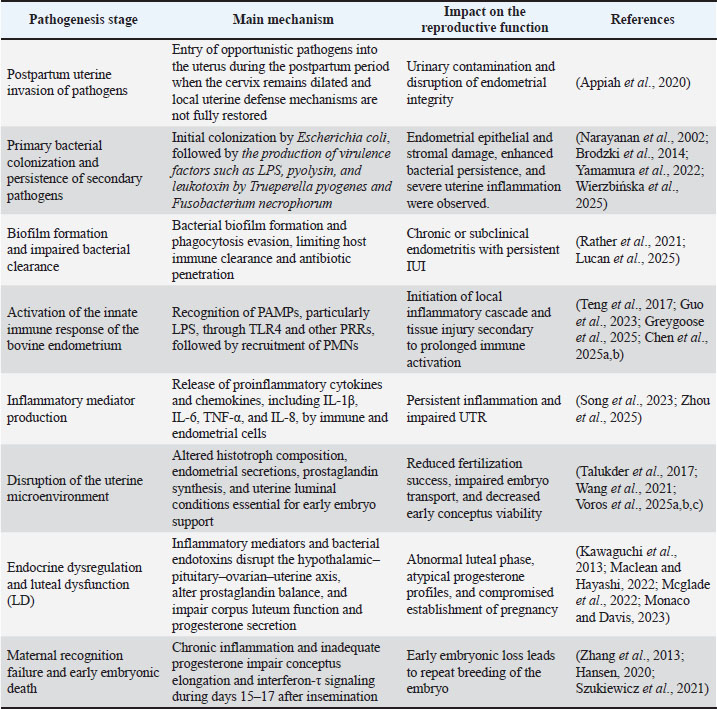
The pathogenesis of endometritis, which contributes to repeat breeding in cattle, involves a complex interaction between postpartum uterine bacterial contamination, persistent endometrial inflammation, ovarian–uterine endocrine signaling disruption, and impaired early embryonic survival. Collectively, these processes interfere with fertilization, maternal recognition of pregnancy, and early gestation maintenance. Table 1 summarizes the major stages of bovine endometritis pathogenesis leading to repeat breeding, including pathogen invasion and persistence, endometrial inflammatory response activation, and hormonal dysregulation affecting luteal function and embryo survival.
Table 1. Endometritis pathogenesis as a cause of repeat breeding in cattle.
Invasion and persistence of uterine pathogens
Pathogens typically enter the cow’s uterus during the postpartum period, when the cervix remains dilated, and local immune defense mechanisms have not yet fully recovered. This postpartum window facilitates colonization by opportunistic microorganisms, particularly Escherichia coli, Trueperella pyogenes, and Fusobacterium necrophorum, which are recognized as major pathogens in bovine endometritis (Appiah et al., 2020). This facilitates colonization by various opportunistic microorganisms, which play a key role in endometritis pathogenesis (Fig. 2).
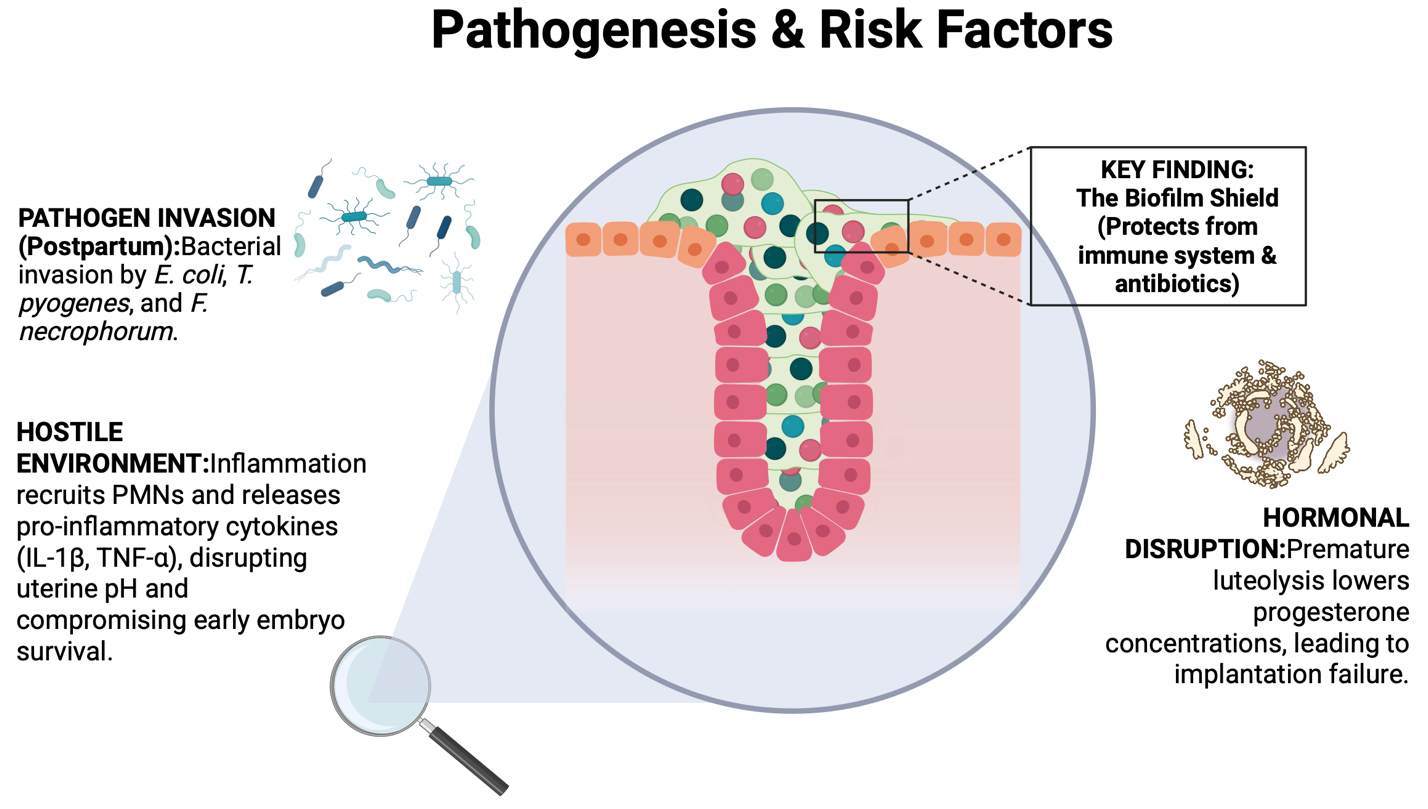
Fig. 2. Schematic illustration of the pathogenesis and major risk factors associated with repeat breeding in cattle with postpartum endometritis (designed by the authors).
Escherichia coli frequently acts as the primary colonizer of the postpartum bovine uterus, causing endometrial injury through lipopolysaccharide (LPS) production (Yamamura et al., 2022). The presence of E. coli creates favorable intrauterine conditions for secondary bacterial colonization, especially by T. pyogenes, which produces pyolysin, a cholesterol-dependent cytotoxin that damages bovine endometrial epithelial and stromal cells (Narayanan et al., 2002; Brodzki et al., 2014).
Fusobacterium necrophorum contributes to disease progression through leukotoxin production and synergistic interactions with T. pyogenes, resulting in more severe and persistent uterine inflammation (Wierzbińska et al., 2025).
Pathogen persistence is often associated with biofilm formation and impaired bacterial clearance, allowing microorganisms to evade phagocytosis and persist despite host immune activation (Rather et al., 2021). This persistent infection sustains chronic subclinical inflammation, alters the uterine milieu, and significantly reduces the fertility of repeat breeder cows (Lucan et al., 2025).
Endometrial inflammatory response
The entry and persistence of pathogens in the uterus trigger the activation of the innate immune response in bovine endometrial tissue (Greygoose et al., 2025). Endometrial epithelial and stromal cells recognize pathogen-associated molecular patterns (PAMPs), especially LPS, through pattern-recognition receptors such as Toll-like receptor 4 (TLR4), which initiate the inflammatory cascade (Guo et al., 2023; Chen et al., 2025a,b).
This activation promotes the recruitment of immune cells, particularly PMNs, which serve as the primary defense against intrauterine bacterial infection (Teng et al., 2017). PMNs participate in bacterial phagocytosis and release antimicrobial peptides, reactive oxygen species, and proteolytic enzymes (Song et al., 2023).
However, persistent PMN infiltration and prolonged cytokine release may damage the endometrial tissue of bovines, impairing uterine receptivity. Increased expression of interleukin-1 beta (IL-1β), interleukin-6 (IL-6), tumor necrosis factor-alpha (TNF-α) and interleukin-8 (IL-8) has been consistently reported in cows with endometritis (Zhou et al., 2025).
A persistent inflammatory response induces profound changes in the uterine microenvironment, including altered endometrial secretory activity, prostaglandin synthesis, histotroph composition disruption, and impaired support for early conceptus development (Talukder et al., 2017; Wang et al., 2021). Unfavorable uterine conditions compromise fertilization efficiency, embryo transport, and early conceptus survival, thereby substantially increasing the risk of repeat breeding (Voros et al., 2025a,b,c).
Hormonal disorders and implantation of embryos
Endometritis, particularly in its subclinical form, directly disrupts the endocrine mechanisms essential for the establishment of pregnancy in cattle (Barański et al., 2024). The inflammatory process affects the hypothalamic–pituitary–ovarian–uterine axis, mainly through cytokine signaling and bacterial endotoxins (Maclean and Hayashi, 2022; Stathori et al., 2024).
One of the most important consequences is the disruption of CL function and progesterone secretion (Monaco and Davis, 2023). Uterine bacterial infection and inflammatory mediators may reduce dominant follicle growth, decrease estradiol production, delay ovulation, and lead to abnormal luteal activity or prolonged luteal phases (Kawaguchi et al., 2013).
In addition, endometritis can shift endometrial prostaglandin secretion from prostaglandin F₂α (PGF₂α) toward PGE₂ dominance, altering normal luteolysis and luteal maintenance. This endocrine dysregulation results in atypical progesterone profiles, which are strongly associated with RB (McGlade et al., 2022).
Importantly, in cattle, the major consequence is not simply failed implantation, but failure of maternal recognition of pregnancy and early conceptus survival during days 15–17 post-insemination (Zhang et al., 2013). Insufficient progesterone concentrations and chronic inflammation impair the endometrial environment required for interferon-τ signaling and conceptus elongation, leading to early embryonic death (Szukiewicz et al., 2021).
Although fertilization may occur, embryos frequently fail to survive beyond the maternal recognition period, ultimately leading to repeat breeding (Hansen, 2020).
Risk factors for endometritis that contribute to repeat breeding
Multiple interacting risk factors influence the occurrence of endometritis in cattle that progress to repeat breeding, including herd management practices, nutritional and metabolic status during the transition period, and individual cow-related factors such as parity and calving history (Fig. 3). Table 2 summarizes the principal risk factors contributing to endometritis and repeat breeding in cattle, classified into management, nutritional–metabolic, and cow-specific factors.
Table 2. Risk factors for endometritis that contribute to repeat breeding in cattle.
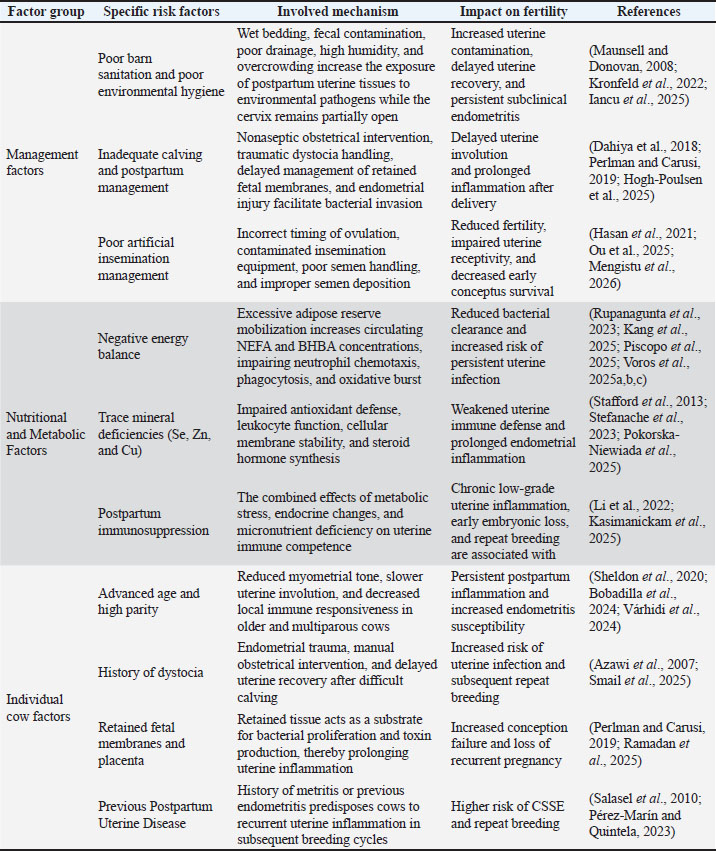
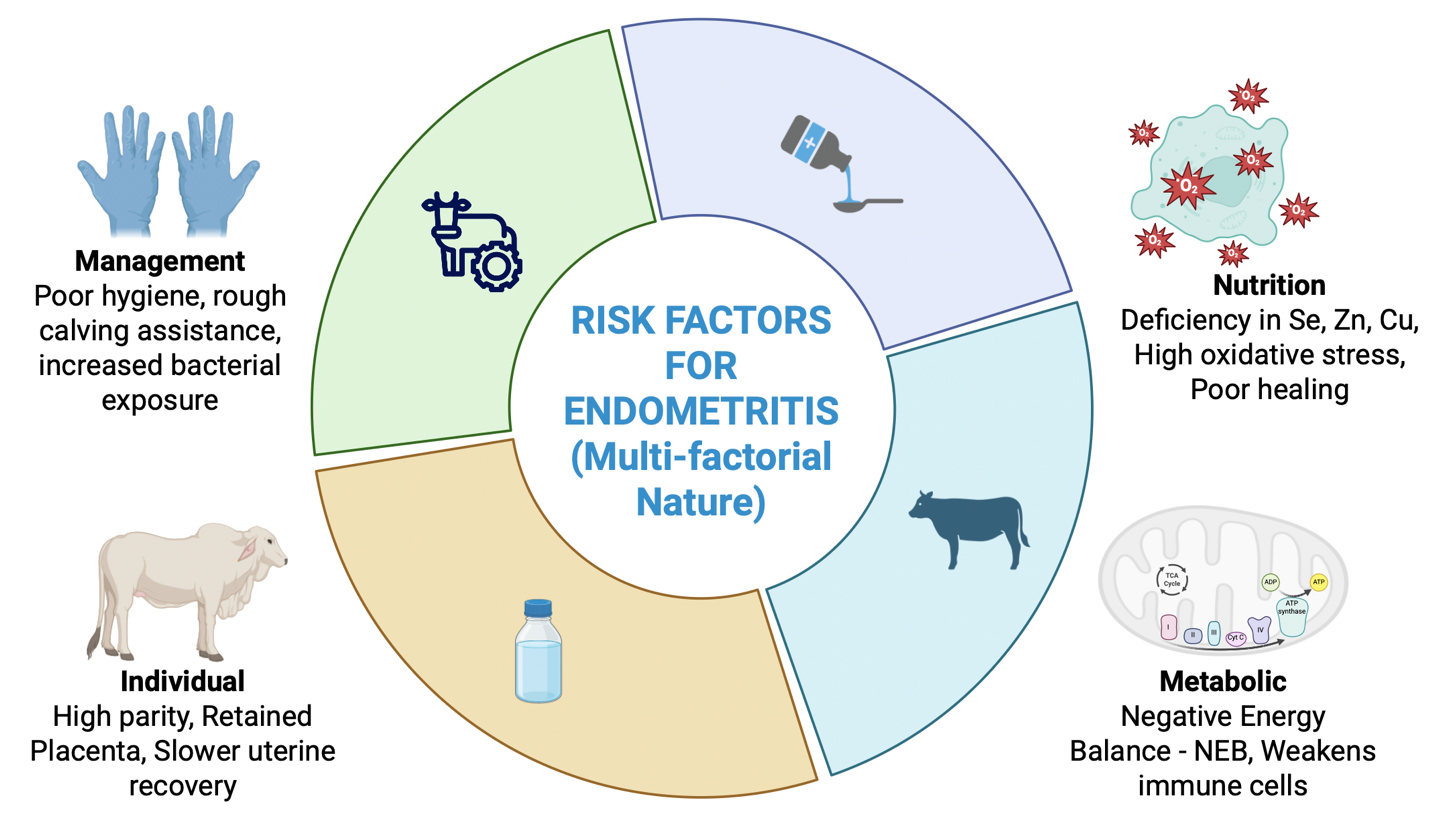
Fig. 3. Schematic representation of the multifactorial risk factors involved in endometritis development in cattle (designed by the authors).
Management factors
Management factors play a major role in increasing the risk of endometritis and repeat breeding in cattle (Maulana et al., 2022). In bovine reproduction, the periparturient and early postpartum periods represent the highest-risk windows for uterine contamination and delayed reproductive recovery (LeBlanc et al., 2002).
Inadequate barn sanitation, including wet bedding, fecal contamination, poor drainage, high humidity, and overcrowding, markedly increases postpartum reproductive tract exposure to environmental pathogens (Maunsell and Donovan, 2008). These conditions are major predisposing factors for opportunistic bacterial entry into the uterus, particularly when the cervix remains partially open after calving (Kronfeld et al., 2022). Persistent environmental contamination may prolong bacterial colonization and contribute to the development of chronic SCE (Iancu et al., 2025).
Suboptimal calving and postpartum management also substantially increase the risk of developing uterine disease (Hogh-Poulsen et al., 2025). Improper obstetrical assistance, traumatic dystocia handling, nonaseptic manual intervention, and delayed removal or management of retained fetal membranes can cause endometrial injury and facilitate bacterial invasion (Perlman and Carusi, 2019). In dairy cows, these conditions are strongly associated with delayed uterine involution and persistent inflammation (Dahiya et al., 2018).
AI quality is another important management-related factor contributing to repeat breeding (Hasan et al., 2021). Incorrect insemination timing relative to ovulation, poor semen handling, contaminated insemination equipment, or suboptimal semen deposition within the reproductive tract can reduce the success of fertilization (Mengistu et al., 2026). These factors may further compromise uterine receptivity and early conceptus survival in cows with SCEs (Ou et al., 2025).
Nutritional and metabolic factors
The nutritional and metabolic status of cows during the transition period (3 weeks prepartum to 3 weeks postpartum) plays a crucial role in determining uterine immune competence and susceptibility to endometritis (Taniguchi et al., 2021; Kasimanickam et al., 2025).
Negative energy balance, which occurs when the energy demand for lactation exceeds the dietary intake after calving, is one of the most important risk factors (Kang et al., 2025). NEB promotes excessive mobilization of adipose tissue reserves, leading to elevated circulating concentrations of NEFA and BHBA (Piscopo et al., 2025).
These metabolites impair neutrophil chemotaxis, phagocytosis, negative energy balance promotes excessive mobilization of adipose tissue reserves, leading to elevated circulating concentrations of nonesterified fatty acids (NEFA) and β-hydroxybutyrate (BHBA), which have been associated with oxidative stress and inflammatory responses in bovine cells (Li et al., 2022; Piscopo et al., 2025). Cows experiencing NEB are at significantly higher risk of persistent subclinical uterine infection and repeat breeding (Voros et al., 2025a,b,c).
In addition to energy imbalance, deficiencies in essential trace minerals such as selenium (Se), zinc (Zn), and copper (Cu) impair immune defense and reproductive recovery in bovines (Pokorska-Niewiada et al., 2025). These micronutrients are essential for antioxidant defense systems, leukocyte function, cellular membrane stability, and steroid hormone synthesis (Stefanache et al., 2023).
For example, Se deficiency increases oxidative stress, Zn deficiency impairs PMN activity, and Cu deficiency reduces macrophage function. These deficiencies compromise uterine bacterial clearance and increase susceptibility to persistent endometrial inflammation (Stafford et al., 2013).
Postpartum immunosuppression is often the cumulative consequence of metabolic stress, endocrine changes, and micronutrient deficiency (Kasimanickam et al., 2025). Chronic low-grade inflammation persists in the uterus, thereby increasing the risk of repeat breeding through impaired maternal recognition of pregnancy and early embryonic loss (Li et al., 2022).
Individual cow factors
Individual cow characteristics significantly influence susceptibility to endometritis and repeat breeding (Pérez-Marín and Quintela, 2023). Important cow-related risk factors include age, parity, previous uterine disease, difficulty calving, and retained fetal membranes (Salasel et al., 2010).
Age and parity are closely associated with reproductive tract structural and immunological changes (Bobadilla et al., 2024). Multiparous and older cows often show slower uterine involution, reduced myometrial tone, and decreased local immune responsiveness, all of which predispose them to persistent postpartum inflammation (Sheldon et al., 2020; Várhidi et al., 2024)
A history of dystocia, retained placenta, or postpartum metritis is one of the strongest predisposing factors for subsequent endometritis and repeat breeding (Azawi et al., 2007). Dystocia frequently causes endometrial trauma, manual obstetrical intervention, and delayed uterine involution, whereas retained fetal membranes provide an ideal substrate for bacterial growth and toxin production (Smail et al., 2025). Both conditions significantly prolong the inflammatory phase of postpartum uterine recovery and increase the likelihood of CSE (Perlman and Carusi, 2019). Cows with previous postpartum reproductive disorders are at substantially higher risk of recurrent pregnancy failure and repeat breeding in subsequent breeding cycles (Ramadan et al., 2025).
Method for diagnosing endometritis in repeat breeding cases
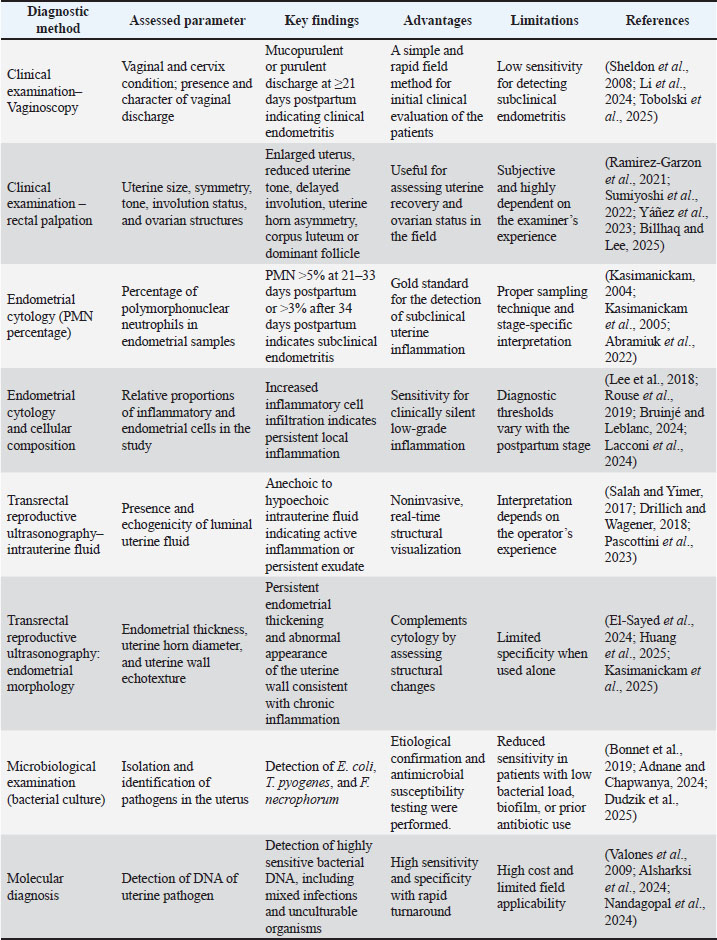
The diagnosis of endometritis in repeat-breeding cows requires a multimodal and cattle-specific diagnostic approach that combines clinical examination, endometrial cytology, transrectal ultrasonography, and microbiological or molecular methods to improve detection accuracy, particularly in SCE (Barański et al., 2012). Table 3 summarizes the major diagnostic methods used in repeat breeder cows (RBCs), including their principal findings and diagnostic relevance.
Table 3. Diagnosing methods for endometritis in cows with repeat breeding cases.
Clinical examination
Clinical examination remains the first-line field diagnostic approach for evaluating endometritis in cows with a repeat breeding history. However, its sensitivity is limited, particularly in subclinical cases (Tobolski et al., 2025).
Vaginoscopy is performed to evaluate the vagina and cervix and detect abnormal vaginal discharge originating from the uterus (Li et al., 2024). The presence of mucopurulent or purulent discharge at ≥21 days postpartum strongly supports the CE diagnosis (Sheldon et al., 2008). This method has good diagnostic value for clinical cases but shows limited sensitivity for detecting subclinical uterine inflammation, which frequently occurs in RBCs (Tobolski et al., 2025).
Rectal palpation is used to assess uterine size, symmetry, consistency, tone, and ovarian structures (Sumiyoshi et al., 2022). In cows with endometritis, the following findings may be observed: enlarged uterus, reduced uterine tone, delayed involution, and asymmetry between uterine horns (Yáñez et al., 2023).
Additionally, rectal palpation provides important information on ovarian status, including the presence of a CL or dominant follicle, which is highly relevant for interpreting endocrine status and planning reproductive intervention (Ramirez-Garzon et al., 2021; Billhaq and Lee, 2025).
Endometrial cytology
Endometrial cytology is considered the gold standard for diagnosing SCE in cattle, particularly in repeat-breeding cows without obvious vaginal discharge (Melcher et al., 2014). This method focuses on quantifying PMNs in endometrial samples obtained from cytobrush or low-volume uterine lavage (Kasimanickam, 2004).
The PMN percentage relative to total endometrial cells is the principal diagnostic criterion (Praderio et al., 2019; Lietaer et al., 2021). The commonly accepted bovine thresholds include: >5% PMNs at 21–33 days postpartum and >3% PMNs after 34 days postpartum (Kasimanickam et al., 2005; Abramiuk et al., 2022).
Elevated PMN counts indicate persistent local inflammation and are strongly associated with reduced conception rates and an increased risk of repeat breeding (Lee et al., 2018; Rouse et al., 2019). The main advantage of this method is its ability to detect clinically silent low-grade inflammation that compromises fertilization, uterine receptivity, and early conceptus survival (Bruinjé and Leblanc, 2024; Lacconi et al., 2024).
Transrectal reproductive ultrasonography
Transrectal ultrasonography is a highly valuable, noninvasive imaging tool in bovine reproductive practice, particularly for diagnosing uterine abnormalities in RBCs (Salah and Yimer, 2017). The presence of intrauterine fluid accumulation is an important ultrasonographic finding (Meira et al., 2012).
Fluid with anechoic to hypoechoic echogenicity within the uterine lumen may indicate: active inflammation, delayed postpartum clearance, and persistent uterine exudate (Drillich and Wagener, 2018). The presence of IUF is strongly associated with reduced conception rates (Pascottini et al., 2023).
In addition, ultrasonography allows assessment of endometrial thickness, uterine horn diameter, and uterine wall echotexture (El-Sayed et al., 2024). Persistent endometrial thickening and abnormal appearance of the uterine wall may reflect chronic inflammation and delayed recovery (Kasimanickam et al., 2025). This method is particularly useful when combined with cytology because ultrasonography evaluates structure, whereas cytology evaluates inflammation at the cellular level (Huang et al., 2025).
Microbiological and molecular diagnosis of TB
Microbiological and molecular diagnostics are primarily used for etiological confirmation and advanced investigation of persistent or treatment-resistant endometritis (Canisso et al., 2020; Yan et al., 2025a,b). Bacterial culture remains the conventional method for isolating major uterine pathogens in cattle, especially Escherichia coli, Trueperella pyogenes, and Fusobacterium necrophorum (Adnane and Chapwanya, 2024).
This approach is valuable for antimicrobial susceptibility testing, particularly in chronic or recurrent cases (Bonnet et al., 2019). However, sensitivity may be reduced by: low bacterial load, biofilm formation, prior antibiotic use, and fastidious growth requirements (Dudzik et al., 2025).
Polymerase chain reaction (PCR)-based molecular diagnostics provide rapid and highly sensitive detection of uterine pathogen deoxyribonucleic acid, including bacteria that are difficult to culture (Valones et al., 2009; Alsharksi et al., 2024). These techniques are particularly useful for detecting subclinical infections and mixed bacterial populations (Nandagopal et al., 2024).
However, field application remains limited by cost, laboratory infrastructure, and training requirements (Drancourt et al., 2016). Therefore, these methods are best used as confirmatory tools, particularly when combined with cytology and US (Alsharksi et al., 2024).
Handling and prevention strategies
Endometritis therapy aims to eliminate uterine pathogens, reduce local inflammation, restore uterine physiological function, and improve the likelihood of successful fertilization and early embryonic survival. Treatment choice should consider the type of endometritis (clinical or subclinical), postpartum stage, ovarian status, and herd management conditions.
Antimicrobial therapy
Intrauterine or systemic antimicrobial treatment remains a common therapeutic option, particularly in CE with confirmed bacterial infection (Kasimanickam et al., 2025). This approach enables high local drug concentration within the uterus while minimizing systemic exposure (Di Gennaro et al., 2025). However, treatment success depends on pathogen type, biofilm formation, and antimicrobial susceptibility profile (Yan et al., 2025a,b). Therefore, antimicrobial selection should ideally be based on bacterial culture and susceptibility testing to minimize treatment failure and reduce the risk of antimicrobial resistance (AMR) (Pantos et al., 2021; Coenye, 2023).
Hormonal therapy
Hormonal therapy, especially PGF₂α, is widely used in cows with a functional CL (López-Gatius, 2022). PGF₂α promotes: luteolysis, uterine contractility, and intrauterine exudate clearance (Xu et al., 2013). This therapy is particularly effective in SCE and repeat breeder cows with prolonged luteal phases, where physiological uterine clearance stimulation is often preferable to routine antimicrobial use (Kawaguchi et al., 2013).
Nonantibiotic supportive therapy
Non-antibiotic therapeutic approaches are increasingly being explored as an alternative or complementary strategy to reduce antimicrobial dependency and mitigate AMR development (Ilhan et al., 2019). Several plant-derived compounds with anti-inflammatory, antioxidant, and antimicrobial activities have shown potential as supportive therapy for cattle’s uterine health. Examples include extracts from: garlic (Allium sativum), turmeric (Curcuma longa), and neem (Azadirachta indica) (Ilhan et al., 2019). Beyond plant-derived compounds, marine natural products have also been reported to contain bioactive metabolites with antioxidant and other biological activities, suggesting that natural-product-based approaches may provide a broader source of candidates for future supportive reproductive-health studies (Misgiati et al., 2024). These compounds may help suppress intrauterine pathogens and modulate local inflammatory responses (Murugaiyan et al., 2022).
Probiotic-based approaches, particularly using beneficial bacterial strains such as Lactobacillus spp., are being investigated as a promising strategy to restore microbial balance within the bovine reproductive tract (Adjei et al., 2024). Potential mechanisms include: competitive exclusion of pathogens, production of antimicrobial metabolites, and modulation of local immune responses (Cao et al., 2025).
Although preliminary findings are promising, large-scale controlled trials in cattle are still limited, and further studies are needed to determine the optimal strains, administration routes, and field protocols. Therapeutic management should be individualized according to uterine condition, ovarian status, and herd-level management factors to improve reproductive outcomes and reduce the incidence of repeat breeding (Chen et al., 2025a,b).
Management of peripartum and postpartum herds
Good husbandry practices are essential for prevention during the transition, peripartum, and postpartum periods (Sheldon et al., 2020). Important preventive measures include: clean calving pens, adequate bedding hygiene, aseptic obstetrical assistance, proper management of retained fetal membranes, and balanced transition nutrition (Vlaicu et al., 2024). These measures significantly reduce the risk of postpartum uterine infection and repeat breeding.
Management of artificial insemination
Proper AI timing and technique are also critical (Pérez-Marín and Quintela, 2023). Successful prevention depends on: accurate estrus detection, timely ovulation insemination, proper semen handling, and correct insemination technique (Sheldon et al., 2020). Failure in these aspects may directly contribute to repeat breeding, even in cows without severe uterine pathology (Riaz et al., 2018).
Monitoring of postpartum uterine
Routine postpartum uterine monitoring is highly recommended for the early detection of SCE (Ulfiana et al., 2025). This may include: clinical examination, cytology, and transrectal ultrasonography (Kelly et al., 2022). Early detection and timely intervention reduce the number of open days, improve the conception rate, and lower the prevalence of repeat breeding (Tobolski et al., 2025).
AMR and the one health perspective
A 1 Health-oriented antimicrobial stewardship approach should be incorporated into reproductive management strategies (Velazquez-Meza et al., 2022). Antibiotic use should be: selective, diagnosis-based, and evidence-guided, while non-antibiotic alternatives, such as improved herd management, hormonal therapy, and immunomodulatory approaches, should be prioritized whenever appropriate (Mdarhri et al., 2022). This integrated approach not only improves reproductive efficiency but also supports animal health, public health, and environmental sustainability (Ibeagha-Awemu et al., 2025). Infectious diseases in livestock require rapid, integrated, and evidence-based control strategies because they may have major economic and animal-health consequences, as demonstrated in other veterinary diseases such as classical swine fever (Khairullah et al., 2024).
Implications of endometritis on AI success
Endometritis, particularly SCE, has a substantial negative impact on AI success in cattle (Krasniqi et al., 2024). Although this condition often occurs without overt clinical signs, it significantly compromises the uterine environment and reduces overall reproductive efficiency (Wagener et al., 2021).
Subclinical endometritis is strongly associated with reduced conception and pregnancy rates following AI, primarily because persistent low-grade uterine inflammation alters the endometrial microenvironment required for sperm transport, fertilization, conceptus development, and maternal recognition of pregnancy (Poit et al., 2024). This chronic inflammatory state can impair endometrial secretory activity, disrupt histotroph and other uterine factors essential for early embryonic development, and compromise the physiological interaction between the developing conceptus and the endometrium (Villaseñor-González et al., 2024).
Consequently, the probability of successful pregnancy remains significantly reduced even when insemination is performed using high-quality semen, proper estrus detection, and optimal timing relative to ovulation (Carneiro et al., 2014). Furthermore, persistent endometrial inflammation may increase the risk of early embryonic loss before maternal recognition of pregnancy, which is one of the major contributors to repeat breeding in cattle (Tadesse et al., 2022).
At the herd and production-system level, a high prevalence of SCE directly reduces the effectiveness of AI programs by increasing the following: services per conception, days open, calving interval, and overall reproductive costs (Lin et al., 2024). These outcomes result in the inefficient use of semen doses, increased labor costs, prolonged non-productive periods, and delayed calving, thereby negatively affecting the productivity of both dairy and beef cattle (Haadem et al., 2023).
This condition may also hinder herd genetic improvement programs that rely heavily on efficient AI implementation at a broader level. Therefore, an early diagnosis and pre-insemination uterine evaluation are critical for improving AI outcomes in RBCs (Tobolski et al., 2025).
Before insemination, routine screening using endometrial cytology and transrectal ultrasonography allows an early identification of subclinical uterine inflammation and facilitates timely therapeutic intervention (Lucan et al., 2025). Ensuring that insemination is performed only when the uterus has returned to an optimal physiological and inflammatory state is essential for improving conception rates and maintaining the efficiency of AI-based breeding programs (Voros et al., 2025a,b,c).
Challenges and directions for future research
Although substantial progress has been made in understanding the role of endometritis in repeat breeding in cattle, several important scientific and field-level challenges remain that must be addressed to improve diagnosis, treatment, and long-term reproductive management (Kasimanickam et al., 2025).
One major challenge is the limited availability of practical, field-applicable diagnostic tools, particularly for detecting SCE (Alharbi et al., 2025). Although highly sensitive methods, such as endometrial cytology, ultrasonography, and molecular assays, are effective, their routine application often requires laboratory support, specialized equipment, and trained personnel, which may limit their use in smallholder and field production systems (Wang et al., 2019). Therefore, the development of simple, rapid, cost-effective, and field-adaptable diagnostic methods that maintain adequate sensitivity and specificity for early detection of uterine inflammation should be prioritized in future research (Hermadi et al., 2025).
Another major concern is the increasing risk of AMR associated with the nonselective use of antibiotics in bovine reproductive practice (Salam et al., 2023). Repeated empirical use of antimicrobials may promote the emergence of resistant uterine bacterial strains, reduce treatment efficacy, and create broader veterinary and public health concerns (Chinemerem Nwobodo et al., 2022).
Accordingly, future studies should focus on evidence-based therapeutic protocols, antimicrobial stewardship, and long-term surveillance of resistance patterns in bovine uterine pathogens (Jitjumnong et al., 2025). The identification and validation of cattle-specific biomarkers of uterine inflammation and reproductive dysfunction is one of the most promising future research directions (Rogers et al., 2017).
Advances in molecular biology, proteomics, transcriptomics, and metabolomics may facilitate the discovery of biomarkers such as proinflammatory cytokines, acute-phase proteins, immune-related gene expression signatures, and metabolic indicators associated with uterine health (Tian et al., 2020). These biomarkers may provide objective early indicators of subclinical uterine inflammation before the onset of overt clinical signs or fertility decline.
In addition, future studies should emphasize the development of point-of-care diagnostic platforms, including portable biosensors or rapid on-farm assays capable of detecting inflammatory mediators or pathogen-specific molecular signatures (Rogers et al., 2017). Such technologies have strong potential to improve early diagnosis, treatment timing, and reproductive decision-making at the herd level, thereby reducing the incidence of repeat breeding and associated economic losses (Jitjumnong et al., 2025).
The development of sustainable non-antibiotic therapeutic and preventive strategies is another important future direction. Potential approaches include: immunomodulators, probiotic therapy, phytobiotics, and uterine microbiota modulation (Wang et al., 2024). These strategies may help restore uterine immune balance, reduce pathogen persistence, and minimize reliance on conventional antimicrobials. Overall, future research should integrate diagnostic innovation, biomarker discovery, AMR stewardship, and sustainable reproductive management approaches to improve fertility outcomes and long-term cattle productivity (Hashem and Gonzalez-Bulnes, 2022).
Conclusion
Endometritis, particularly SCE, is a major contributor to repeat breeding in cattle and represents a significant challenge to bovine reproductive efficiency. Persistent uterine inflammation disrupts the endometrial environment, impairing sperm survival, fertilization, early conceptus development, and maternal recognition of pregnancy, ultimately leading to repeated failure of conception despite normal estrous cycles and appropriate management of artificial insemination.
Because SCE frequently occurs without obvious clinical signs, early and sensitive diagnosis using cattle-specific approaches, such as endometrial cytology and transrectal ultrasonography, is essential. In addition, integrated reproductive management—including proper postpartum monitoring, evidence-based therapeutic intervention, and improved herd management practices—is critical to reducing the incidence of repeat breeding and improving conception rates, calving intervals, and overall cattle productivity.
Future progress in biomarker-based diagnostics, antimicrobial stewardship, and sustainable nonantibiotic therapeutic strategies is expected to further enhance reproductive performance and support long-term productivity in both dairy and beef cattle systems.
Acknowledgment
The authors thank Universitas Airlangga and Badan Riset dan Inovasi Nasional.
Conflict of interest
The authors declare no potential conflicts of interest.
Funding
The authors would like to acknowledge the Kementerian Pendidikan, Kebudayaan, Riset dan Teknologi for supporting this research. The Airlangga Research Fund 2024 (grant number: 672/UN3/2024) funded this review article.
Author’s contributions
HAH, ARK, YD, and ES drafted the manuscript. SW, BPP, MA, and SR revise and edit the manuscript. IM, YLD, LL, and LA prepared and critically checked this manuscript. RZA, WW, UFH, and ZAB edit the references. All authors have read and approved the final version of the manuscript.
Data availability
All references are open access, so data can be obtained from the internet.
References
Abramiuk, M., Grywalska, E., Małkowska, P., Sierawska, O., Hrynkiewicz, R. and Niedźwiedzka-Rystwej, P. 2022. The role of the immune system in the development of endometriosis. Cells 11(13), 2028.
Adjei, N.N., Bowen, M.B., Wilke, R.N., Yates, M.S. and Westin, S.N. 2024. Uterine-conserving treatment options for atypical endometrial hyperplasia and early endometrial cancer. Curr. Oncol. Rep. 26(11), 1367–1379.
Adnane, M. and Chapwanya, A. 2024. Microbial gatekeepers of fertility in the female reproductive microbiome of cattle. Int. J. Mol. Sci. 25(20), 10923.
Alharbi, T., Rababa, M., Alsuwayl, H., Alsubail, A. and Alenizi, W. 2025. Diagnostic challenges and patient safety: the critical role of accuracy—a systematic review. J. Multidiscip. Healthc. 18(1), 3051–3064.
Alsharksi, A.N., Sirekbasan, S., Gürkök-Tan, T. and Mustapha, A. 2024. From tradition to innovation: diverse molecular techniques in the fight against infectious diseases. Diagnostics 14(24), 2876.
Appiah, M., Wang, J. and Lu, W. 2020. Microflora in the reproductive tract of cattle: a review. Agriculture 10(6), 232.
Azawi, O.I., Omran, S.N. and Hadad, J.J. 2007. Clinical, bacteriological, and histopathological study of toxic puerperal metritis in Iraqi buffalo. J. Dairy Sci. 90(10), 4654–4660.
Barański, W., Podhalicz-Dzięgielewska, M., Zduńczyk, S. and Janowski, T. 2012. The diagnosis and prevalence of subclinical endometritis in cows evaluated by different cytologic thresholds. Theriogenology 78(9), 1939–1947.
Barański, W., Zduńczyk, S., Tobolski, D. and Krupa, M. 2024. Fertility outcomes in cows with subclinical endometritis after clinical cure of clinical endometritis. Ir. Vet. J. 77(1), 20.
Bashiri, A., Halper, K.I. and Orvieto, R. 2018. Recurrent implantation failure-update overview on etiology, diagnosis, treatment and future directions. Reproductive Biol. Endocrinol. 16(1), 121.
Bhaskar, V., Saini, S., Ansari, S., Ghai, S., Thakur, A., Chopra, S., Verma, V. and Malakar, D. 2023. Allogenic adipose derived mesenchymal stem cells are effective than antibiotics in treating endometritis. Sci. Rep. 13(1), 11280.
Billhaq, D.H. and Lee, S. 2025. The mechanisms of angiogenesis and apoptosis during the functional formation and regression of the Corpus Luteum in the ovarian reproductive endocrine system. Endocrines 6(4), 53.
Bobadilla, P.E., López-Villalobos, N., Sotelo, F. and Damián, J.P. 2024. Dairy cow longevity is affected by dam parity and age. Dairy 5(4), 590–597.
Bonnet, M., Lagier, J.C., Raoult, D. and Khelaifia, S. 2019. Bacterial culture through selective and non-selective conditions: the evolution of culture media in clinical microbiology. New Microbes New Infect. 34(1), 100622.
Brodzki, P., Bochniarz, M., Brodzki, A., Wrona, Z. and Wawron, W. 2014. Trueperella pyogenes and Escherichia coli as an etiological factor of endometritis in cows and the susceptibility of these bacteria to selected antibiotics. Pol. J. Vet. Sci. 17(4), 657–664.
Bruinjé, T.C. and Leblanc, S.J. 2024. Graduate student literature review: implications of transition cow health for reproductive function and targeted reproductive management. J. Dairy Sci. 107(10), 8234–8246.
Buzzaccarini, G., Vitagliano, A., Andrisani, A., Santarsiero, C.M., Cicinelli, R., Nardelli, C., Ambrosini, G. and Cicinelli, E. 2020. Chronic endometritis and altered embryo implantation: a unified pathophysiological theory from a literature systematic review. J. Assist. Reprod. Genet. 37(12), 2897–2911.
Canisso, I.F., Segabinazzi, L.G.T.M. and Fedorka, C.E. 2020. Persistent breeding-induced endometritis in mares—a multifaceted challenge: from clinical aspects to immunopathogenesis and pathobiology. Int. J. Mol. Sci. 21(4), 1432.
Cao, J., Ma, W., Chang, X., Pu, D., Tan, R., Hu, L., Hong, T., Cui, Y., Gao, L. and Wu, J. 2025. Probiotics may improve vaginal microbiota, metabolic disorders and ovarian function-related markers by modulating gut microbiota in POI mice. BMC. Microbiol. 25(1), 375.
Capuozzo, M., Zovi, A., Langella, R., Ottaiano, A., Cascella, M., Scognamiglio, M. and Ferrara, F. 2024. Optimizing antibiotic use: addressing resistance through effective strategies and health policies. Antibiotics 13(12), 1112.
Carbonari, A., Burgio, M., Frattina, L., Cicirelli, V. and Rizzo, A. 2024. Repeat breeder syndrome therapies in dairy cows: a review. Reprod. Domest. Anim. 59(10), e14732.
Carneiro, L.C., Ferreira, A.F., Padua, M., Saut, J.P., Ferraudo, A.S. and Dos Santos, R.M. 2014. Incidence of subclinical endometritis and its effects on reproductive performance of crossbred dairy cows. Trop. Anim. Health Prod. 46(8), 1435–1439.
Chebel, R.C., Mirzaei, A., Yu, H., Lopes, G. and Bisinotto, R.S. 2025. Early postpartum estrous characteristics: unveiling their predictive potential for fertility in dairy cows. J. Dairy Sci. 108(11), 12734–12758.
Chen, R., Zou, J., Chen, J., Zhong, X., Kang, R. and Tang, D. 2025a. Pattern recognition receptors: function, regulation and therapeutic potential. Signal Transduct. Target. Ther. 10(1), 216.
Chen, Y., Waseem, S. and Luo, L. 2025b. Advances in the diagnosis and management of endometriosis: a comprehensive review. Pathol. Res. Pract. 266(1), 155813.
Chinemerem Nwobodo, D., Ugwu, M.C., Oliseloke Anie, C., Al‐Ouqaili, M.T.S., Chinedu Ikem, J., Victor Chigozie, U. and Saki, M. 2022. Antibiotic resistance: the challenges and some emerging strategies for tackling a global menace. J. Clin. Lab. Anal. 36(9), e24655.
Coenye, T. 2023. Biofilm antimicrobial susceptibility testing: where are we and where could we be going?. Clin. Microbiol. Rev. 36(4), 2423.
Coman, S., Berean, D.I., Cimpean, R., Ciupe, S., Coman, I. and Bogdan, L.M. 2024. Clinical modalities for enhancing reproductive efficiency in buffaloes: a review and practical aspects for veterinary practitioners. Animals. (Basel). 14(18), 2642.
Consentini, C.E.C., Wiltbank, M.C. and Sartori, R. 2021. Factors that optimize reproductive efficiency in dairy herds with an emphasis on timed artificial insemination programs. Animals (Basel). 11(2), 301.
Dahiya, S., Kumari, S., Rani, P., Onteru, S.K. and Singh, D. 2018. Postpartum uterine infection & ovarian dysfunction. Indian J. Med. Res. 148(Suppl), S64–S70.
De Tomasi, J.B., Opata, M.M. and Mowa, C.N. 2019. Immunity in the Cervix: interphase between immune and cervical epithelial cells. J. Immunol. Res. 1(1), 7693183.
Desta, A.G. 2024. The effect of crude protein and energy on conception of dairy cow: a review. Discov. Anim. 1(1), 29.
Di Gennaro, F., Guido, G., Frallonardo, L., Pennazzi, L., Bevilacqua, M., Locantore, P., Vitagliano, A., Saracino, A. and Cicinelli, E. 2025. Chronic endometritis and antimicrobial resistance: towards a multidrug-resistant endometritis? an expert opinion. Microorganisms 13(1), 197.
Diaz-Lundahl, S., Garmo, R.T., Gillund, P., Klem, T.B., Waldmann, A. and Krogenæs, A.K. 2021. Prevalence, risk factors, and effects on fertility of cytological endometritis at the time of insemination in Norwegian Red cows. J. Dairy Sci. 104(6), 6961–6974.
Drancourt, M., Michel-Lepage, A., Boyer, S. and Raoult, D. 2016. The point-of-care laboratory in clinical microbiology. Clin. Microbiol. Rev. 29(3), 429–447.
Drillich, M. and Wagener, K. 2018. Pathogenesis of uterine diseases in dairy cattle and implications for fertility. Anim. Reprod. 15(Suppl 1), 879–885.
Drillich, M., Raab, D., Wittke, M. and Heuwieser, W. 2005. Treatment of chronic endometritis in dairy cows with an intrauterine application of enzymes. A field trial. Theriogenology 63(7), 1811–1823.
Dudzik., Krzyżek, P. and Dworniczek, E. 2025. A review on the current and future State of urinary tract infection diagnostics. Int. J. Mol. Sci. 26(22), 10847.
El-Sayed, A., Refaai, M. and Ateya, A. 2024. Doppler ultrasonographic scan, gene expression and serum profile of immune, APPs and antioxidant markers in Egyptian buffalo-cows with clinical endometritis. Sci. Rep. 14(1), 5698.
Funeshima, N., Miura, R., Katoh, T., Yaginuma, H., Kitou, T., Yoshimura, I., Konda, K., Hamano, S. and Shirasuna, K. 2021. Metabolomic profiles of plasma and uterine luminal fluids from healthy and repeat breeder Holstein cows. BMC. Vet. Res. 17(1), 54.
Gilbert, R.O., Shin, S.T., Guard, C.L., Erb, H.N. and Frajblat, M. 2005. Prevalence of endometritis and its effects on reproductive performance of dairy cows. Theriogenology 64(9), 1879–1888.
Greygoose, E., Metharom, P., Kula, H., Seckin, T.K., Seckin, T.A., Ayhan, A. and Yu, Y. 2025. The Estrogen–Immune Interface in Endometriosis. Cells 14(1), 58.
Guo, B., Chen, J.H., Zhang, J.H., Fang, Y., Liu, X.J., Zhang, J., Zhu, H.Q. and Zhan, L. 2023. Pattern-recognition receptors in endometriosis: a narrative review. Front. Immunol. 14(1), 1161606.
Gustafsson, H. and Emanuelson, U. 2002. Characterisation of the repeat breeding syndrome in Swedish dairy cattle. Acta. Vet. Scand. 43(2), 115–125.
Haadem, C.S., Holmøy, I.H., Nødtvedt, A. and Martin, A.D. 2023. Time of insemination in relation to pregnancy rates in beef cattle after oestrus detection with automated activity monitoring system. Acta. Vet. Scand. 65(1), 20.
Hansen, P.J. 2020. The incompletely fulfilled promise of embryo transfer in cattle-why aren't pregnancy rates greater and what can we do about it?. J. Anim. Sci. 98(11), skaa288.
Hasan, M., Hasan, M., Rashid, M., Rahman, M., Rahman, M. and Juyena, N. 2021. Standard feeding strategies with natural insemination improved fertility in repeat breeding dairy cows. J. Adv. Vet. Anim. Res. 8(2), 282–290.
Hashem, N.M. and Gonzalez-Bulnes, A. 2022. The use of probiotics for management and improvement of reproductive eubiosis and function. Nutrients 14(4), 902.
Hermadi, H.A., Khairullah, A.R., Damayanti, Y., Safitri, E., Tyasningsih, W., Warsito, S.H., Kusala, M.K.J., Wibowo, S., Moses, I.B., Kurniawan, M.A., Wardhani, B.W.K., Prasetyo, S.T., Kurniasih, D.A.A., Rahajeng, A.D.R., Fauziah, I., Vidhianty, C.B., Ansori, A.N.M., Wasito, W. and Ahmad, R.Z. 2025. Endometritis in cattle: a review of current understanding and practical causes of repeat breeding. Trends Sci. 22(6), 9587.
Hogh‐Poulsen, S., Carlsen, S.E., Bendix, J.M., Clausen, T.D., Lokkegaard, E.C.L. and Axelsson, P.V.B. 2025. Maternal postpartum infection risk following induction of labor: a Danish national cohort study. Acta Obstet. Gynecol. Scand. 104(2), 309–318.
Huang, L., Ou, M., Chen, D. and Zhang, S. 2025. Unlocking the secrets of the endometrium: stem cells, niches and modern methodologies. Biomedicines 13(10), 2435.
Iancu, I., Popa, S.A., Degi, J., Gligor, A., Popa, I., Iorgoni, V., Nistor, P., Imre, K., Nichita, I. and Herman, V. 2025. Aerobic uterine pathogens in dairy cattle: surveillance and antimicrobial resistance profiles in postpartum endometritis. Antibiotics. (Basel). 14(7), 650.
Ibeagha-Awemu, E.M., Omonijo, F.A., Piché, L.C. and Vincent, A.T. 2025. Alternatives to antibiotics for sustainable livestock production in the context of the One Health approach: tackling a common foe. Front. Vet. Sci. 12(1), 1605215.
Ilhan, M., Gürağaç Dereli, F.T. and Akkol, E.K. 2019. Novel Drug Targets with Traditional Herbal Medicines for Overcoming Endometriosis. Curr. Drug. Deliv. 16(5), 386–399.
Jammer, B.D., Lombard, W.A. and Jordaan, H. 2025. Investigating cow-calf productive performance under early and conventional weaning practices in South African beef cattle. Vet. Anim. Sci. 29(1), 100472.
Janowski, T., Barański, W., Lukasik, K., Skarzyński, D., Rudowska, M. and Zduńczyk, S. 2013. Prevalence of subclinical endometritis in repeat breeding cows and mRNA expression of tumor necrosis factor alpha and inducible nitric oxide synthase in the endometrium of repeat breeding cows with and without subclinical endometritis. Pol. J. Vet. Sci. 16(4), 693–699.
Jitjumnong, J., Taweechaipaisankul, A., Lin, J.C., Wongchanla, S., Chuwatthanakhajorn, S., Lin, C.J., Khang, L.T.P., Linh, N.V., Sangsawad, P., Dinh-Hung, N., Tang, P.C. and Moonmanee, T. 2025. An overview of advancements in proteomic approaches to enhance livestock production and aquaculture. Animals (Basel). 15(13), 1946.
Kang, D., Lungu, S.E., Danso, F., Dzou, C.F., Chen, Y., Zheng, X., Nie, F., Lin, H., Chen, J. and Zhou, G. 2025. Animal health and nutrition: metabolic disorders in cattle and improvement strategies. Front. Vet. Sci. 12(1), 1470391.
Kappes, A., Tozooneyi, T., Shakil, G., Railey, A.F., Mcintyre, K.M., Mayberry, D.E., Rushton, J., Pendell, D.L. and Marsh, T.L. 2023. Livestock health and disease economics: a scoping review of selected literature. Front. Vet. Sci. 10(1), 1168649.
Kasimanickam, R. 2004. Endometrial cytology and ultrasonography for the detection of subclinical endometritis in postpartum dairy cows. Theriogenology 62(1–2), 9–23.
Kasimanickam, R., Bhowmik, P., Kastelic, J., Ferreira, J. and Kasimanickam, V. 2025. From infection to infertility: diagnostic, therapeutic, and molecular perspectives on postpartum metritis and endometritis in dairy cows. Animals 15(19), 2841.
Kasimanickam, R., Duffield, T.F., Foster, R.A., Gartley, C.J., Leslie, K.E., Walton, J.S. and Johnson, W.H. 2005. A comparison of the cytobrush and uterine lavage techniques to evaluate endometrial cytology in clinically normal postpartum dairy cows. Can. Vet. J. 46(3), 255–259.
Kawaguchi, S., Bowolaksono, A., Yoshioka, S., Sakumoto, R. and Okuda, K. 2013. Luteoprotective mechanisms of prostaglandin F2α stimulated by luteinizing hormone in the bovine corpus luteum. J. Reprod. Dev. 59(3), 225–230.
Kelly, E.T., Mcaloon, C.G., O'Grady, L., Duane, M., Somers, J.R. and Beltman, M.E. 2022. Reproductive tract disease in Irish grazing dairy cows: retrospective observational study examining its association with reproductive performance and accuracy of 2 diagnostic tests. J. Dairy Sci. 105(6), 5471–5492.
Keshipour, H., Bahonar, A., Vodjgani, M. and Anassori, E. 2024. Effectiveness of training parturition and dystocia management on days open of dairy cows in traditional farming systems: a field trial. Vet. Res. Forum 15(3), 139–144.
Khair, A., Asaduzzaman, M., Sultana, Z., Taluker, A., Das, Z., Alam, M. and Shamsuddin, M. 2018. Economic benefit in repeat breeder cows using intrauterine infusion of penicillin and estrus synchronization followed by timed artificial insemination. J. Adv. Vet. Anim. Res. 5(4), 454–458.
Khairullah, A.R., Effendi, M.H., Moses, I.B., Fauzia, K.A., Puspitasari, Y., Riwu, K.H.P., Fauziah, I., Raissa, R., Silaen, O.S.M., Wibowo, S., Yanestria, S.M., Kusala, M.K.J., Abdila, S.R., Pratama, B.P. and Hasib, A. 2024. Classical swine fever: unveiling the complexity through a multifaceted approach. Open Vet. J. 14(10), 2497–2508; doi: 10.5455/OVJ.2024.v14.i10.1
Krasniqi, K., Black, N., Williams, E., Pascottini, O.B., Thornton, S., Quenby, S. and Odendaal, J. 2024. Lessons learned from bovine subclinical endometritis: a systematic review exploring its potential relevance to chronic endometritis in women. Reprod. Fertil. 5(2), e230035.
Kronfeld, H., Kemper, N. and Hölzel, C.S. 2022. Vaginal and uterine microbiomes during puerperium in dairy cows. Agriculture 12(3), 405.
Lacconi, V., Massimiani, M., Carriero, I., Bianco, C., Ticconi, C., Pavone, V., Alteri, A., Muzii, L., Rago, R., Pisaturo, V. and Campagnolo, L. 2024. When the embryo meets the endometrium: identifying the features required for successful embryo implantation. Int. J. Mol. Sci. 25(5), 2834.
Leblanc, S.J., Duffield, T.F., Leslie, K.E., Bateman, K.G., Keefe, G.P., Walton, J.S. and Johnson, W.H. 2002. Defining and diagnosing postpartum clinical endometritis and its impact on reproductive performance in dairy cows. J. Dairy. Sci. 85(9), 2223–2236.
Lee, S.C., Jeong, J.K., Choi, I.S., Kang, H.G., Jung, Y.H., Park, S.B. and Kim, I.H. 2018. Cytological endometritis in dairy cows: diagnostic threshold, risk factors, and impact on reproductive performance. J. Vet. Sci. 19(2), 301–308.
Li, C., Huang, J., Chen, X., Yan, Y., Li, L. and Zhao, W. 2022. Transcriptome analysis reveals that NEFA and β-hydroxybutyrate induce oxidative stress and inflammatory response in bovine mammary epithelial cells. Metabolites 12(11), 1060.
Li, H., Yang, B., Gao, W., Huang, C., Li, C., Zhao, H. and Feng, L. 2024. Role of surgical vaginoscopy through no-touch hysteroscope in the treatment of female reproductive polyps. BMC. Surg. 24(1), 390.
Lietaer, L., Demeyere, K., Heirbaut, S., Meyer, E., Opsomer, G. and Pascottini, O.B. 2021. Flow cytometric assessment of the viability and functionality of uterine polymorphonuclear leukocytes in postpartum dairy cows. Animals. (Basel). 11(4), 1081.
Lin, S., Xie, X., Chen, Y., Wang, Z., Zhang, J., Liu, C., Lin, G., Wang, Y. and Guo, Y. 2024. How does chronic endometritis influence pregnancy outcomes in endometriosis associated infertility? A retrospective cohort study. Reprod. Health 21(1), 162.
López-Gatius, F. 2022. Ovarian response to prostaglandin F2α in lactating dairy cows: a clinical update. J. Reprod. Dev. 68(2), 104–109.
Lucan, M., Sandor, M., Bodog, A., Mocuta, D., Aur, C.D., Sachelarie, L. and Huniadi, A. 2025. Chronic endometritis: a silent contributor to infertility and reproductive failure—a comprehensive review. Reprod. Med. 6(2), 14.
Maclean, J.A. and Hayashi, K. 2022. Progesterone actions and resistance in gynecological disorders. Cells 11(4), 647.
Martins, L.F., Menta, P.R., Fernandes, L., Machado, V.S. and Neves, R.C. 2021. Prolonged, low-grade inflammation in the first week of lactation: associations with mineral, protein, and energy balance markers, and milk yield, in a clinically healthy Jersey cow cohort. J. Dairy. Sci. 104(5), 6113–6123.
Maulana, R., Susetya, H. and Prihatno, S.A. 2022. Prevalence and risk factors associated with repeat breeding of beef cattle in Sleman Regency, Indonesia. Vet. World 15(4), 870–877.
Maunsell, F. and Donovan, G.A. 2008. Biosecurity and risk management for dairy replacements. Vet. Clin. North. Am. Food. Anim. Pract. 24(1), 155–190.
Mcglade, E.A., Miyamoto, A. and Winuthayanon, W. 2022. Progesterone and inflammatory response in the Oviduct during physiological and pathological conditions. Cells 11(7), 1075.
Mdarhri, H.A., Benmessaoud, R., Yacoubi, H., Seffar, L., Assimi, H.G., Hamam, M., Boussettine, R., Filali-Ansari, N., Lahlou, F.A., Diawara, I., Ennaji, M.M. and Kettani-Halabi, M. 2022. Alternatives therapeutic approaches to conventional antibiotics: advantages, limitations and potential application in medicine. Antibiotics. (Basel). 11(12), 1826.
Meira, E.B.S., Henriques, L.C.S., Sá, L.R.M. and Gregory, L. 2012. Comparison of ultrasonography and histopathology for the diagnosis of endometritis in Holstein-Friesian cows. J. Dairy Sci. 95(12), 6969–6973.
Melcher, Y., Prunner, I. and Drillich, M. 2014. Degree of variation and reproducibility of different methods for the diagnosis of subclinical endometritis. Theriogenology 82(1), 57–63.
Mengistu, D.A., Tezera, S.D., Birhanie, M.K., Kolech, T.A., Mekonen, A.W., Wassie, A.T., Endeshaw, A.G., Mekonnen, S.A. and Melsie, N.M. 2026. Assessment of artificial insemination practices, semen quality, and reproductive constraints in dairy farms in Central Gondar Zone, Ethiopia. BMC Vet. Res. 22(1), 5.
Misgiati, Winarni, I., Murniasih, T., Novriyanti, E., Tarman, K., Safithri, M., Setyaningsih, I., Cahyati, D., Pratama, B.P. and Wirawati, I. 2024. The anticancer and antioxidant potential of local sea cucumber Holothuria edulis, an ecology balancer of Labuan Bajo marine ecosystem. Case Stud. Chem. Environ. Eng. 9, 100625. doi: 10.1016/j.cscee.2024.100625
Monaco, C.F. and Davis, J.S. 2023. Mechanisms of angioregression of the Corpus Luteum. Front. Physiol. 14(1), 1254943.
Murugaiyan, J., Kumar, P.A., Rao, G.S., Iskandar, K., Hawser, S., Hays, J.P., Mohsen, Y., Adukkadukkam, S., Awuah, W.A., Jose, R.A.M., Sylvia, N., Nansubuga, E.P., Tilocca, B., Roncada, P., Roson-Calero, N., Moreno-Morales, J., Amin, R., Kumar, B.K., Kumar, A., Toufik, A.R., Zaw, T.N., Akinwotu, O.O., Satyaseela, M.P. and Van Dongen, M.B.M. 2022. Progress in alternative strategies to combat antimicrobial resistance: focus on antibiotics. Antibiotics (Basel). 11(2), 200.
Nandagopal, M., Rajan N, R., Padhiar, C., Abhaya, M., Bansal, U. and Ghambir, P. 2024. Revolutionizing chronic endometritis diagnosis: real-time polymerase chain reaction unveils microbial pathogens in Indian women with abnormal bleeding and reproductive challenges. AJOG. Glob. Rep. 4(3), 100377.
Narayanan, S., Stewart, G.C., Chengappa, M.M., Willard, L., Shuman, W., Wilkerson, M. and Nagaraja, T.G. 2002. Fusobacterium necrophorum leukotoxin induces activation and apoptosis of bovine leukocytes. Infect. Immun. 70(8), 4609–4620.
Okawa, H., Fujikura, A., Wijayagunawardane, M.M.P., Vos, P.L.A.M., Taniguchi, M. and Takagi, M. 2017. Effect of diagnosis and treatment of clinical endometritis based on vaginal discharge score grading system in postpartum Holstein cows. J. Vet. Med. Sci. 79(9), 1545–1551.
Oladejo, A.O., Li, Y., Wu, X., Imam, B.H., Yang, J., Ma, X., Yan, Z. and Wang, S. 2021. Modulation of bovine endometrial cell receptors and signaling pathways as a nanotherapeutic exploration against dairy cow postpartum endometritis. Animals. (Basel). 11(6), 1516.
Ou, Y., Wang, H., Zhou, C., Chen, Y., Lyu, J., Feng, M. and Huang, X. 2025. Endometriosis-associated infertility: multi-omics insights into pathogenesis and precision therapeutics. Front. Endocrinol. (Lausanne). 16(1), 1613334.
Paiano, R.B., Birgel, D.B. and Junior, E.H.B. 2019. Uterine involution and reproductive performance in dairy cows with metabolic diseases. Animals. (Basel). 9(3), 93.
Pantos, K., Simopoulou, M., Maziotis, E., Rapani, A., Grigoriadis, S., Tsioulou, P., Giannelou, P., Nitsos, N., Tzonis, P., Koutsilieris, M. and Sfakianoudis, K. 2021. Introducing intrauterine antibiotic infusion as a novel approach in effectively treating chronic endometritis and restoring reproductive dynamics: a randomized pilot study. Sci. Rep. 11(1), 15581.
Pascottini, O.B., Aurich, C., England, G. and Grahofer, A. 2023. General and comparative aspects of endometritis in domestic species: a review. Reprod. Domest. Anim. 58(Suppl 2), 49–71.
Pérez-Marín, C.C. and Quintela, L.A. 2023. Current Insights in the Repeat Breeder Cow Syndrome. Animals (Basel). 13(13), 2187.
Perlman, N.C. and Carusi, D.A. 2019. Retained placenta after vaginal delivery: risk factors and management. Int. J. Womens. Health. 11(1), 527–534.
Piscopo, F., Gasparrini, B., Van Halderen, R., Brouwers, J.F., Van Den Broek, J., Van Tol, H.T.A., Vos, P.L.A.M. and Aardema, H. 2025. Periparturient oleic acid-rich fat supplementation affects the lipid profile in blood and results in an increased oocyte yield in postpartum dairy cows. Theriogenology 236(1), 33–44.
Poit, D.A.S., Ferraz, P.A., Bruni, G.D.A., Bruni, G.D.A., Nishimura, T.K., Motta, I.G., Feltrin, I.R. and Pugliesi, G. 2024. Influence of sub-clinical endometritis on early pregnancy predictors and proinflammatory cytokines in circulating immune cells in dairy cows. Anim. Reprod. 21(2), e20230144.
Pokorska-Niewiada, K., Ziętek, M., Szydłowska, I., Ryterska, K. and Szczuko, M. 2025. The role of antioxidant minerals in the pathophysiology and treatment of endometriosis-systematic review. Antioxidants. (Basel). 14(10), 1238.
Pongkapadang, K.N., Amrin, A., Suharto, R.H., Yusuf, M., Komba, E.V.G., Layos, J.K.N., Purba, F.Y. and Yusuf, S. 2025. Prevalence and risk factors of repeat breeding in dairy cows in Cendana District, Enrekang Regency, South Sulawesi, Indonesia. Open Vet. J. 15(9), 4548–4557.
Pothmann, H., Prunner, I., Wagener, K., Jaureguiberry, M., De La Sota, R.L., Erber, R., Aurich, C., Ehling-Schulz, M. and Drillich, M. 2015. The prevalence of subclinical endometritis and intrauterine infections in repeat breeder cows. Theriogenology 83(8), 1249–1253.
Praderio, R.G., García Mitacek, M.C., Núñez Favre, R., Rearte, R., De La Sota, R.L. and Stornelli, M.A. 2019. Uterine endometrial cytology, biopsy, bacteriology, and serum C-reactive protein in clinically healthy diestrus bitches. Theriogenology 131(1), 153–161.
Ramadan, M.K., El-Zein, N., Jomaa, M., Zeidan, A., El Tal, R. and Badr, D.A. 2025. Retained non-previa placenta in the era of "placenta accreta spectrum": a report of two cases managed expectantly and a proposed plan for management. Front. Med. (Lausanne) 12(1), 1504491.
Ramirez-Garzon, O., Soares Magalhaes, R., Satake, N., Hill, J., Jimenez, C., Holland, M.K. and Mcgowan, M. 2021. Effect of Endometrial Sampling Procedures on Subsequent Pregnancy Rate of Cattle. Animals 11(6), 1683.
Rather, M.A., Gupta, K. and Mandal, M. 2021. Microbial biofilm: formation, architecture, antibiotic resistance, and control strategies. Braz. J. Microbiol. 52(4), 1701–1718.
Riaz, U., Hassan, M., Husnain, A., Naveed, M.I., Singh, J. and Ahmad, N. 2018. Effect of timing of artificial insemination in relation to onset of standing estrus on pregnancy per AI in Nili-Ravi buffalo. Anim. Reprod. 15(4), 1231–1235.
Rogers, P.A., Adamson, G.D., Al-Jefout, M., Becker, C.M., D'Hooghe, T.M., Dunselman, G.A., Fazleabas, A., Giudice, L.C., Horne, A.W., Hull, M.L., Hummelshoj, L., Missmer, S.A., Montgomery, G.W., Stratton, P., Taylor, R.N., Rombauts, L., Saunders, P.T., Vincent, K. and Zondervan, K.T. 2017. Research Priorities in Endometriosis. Res. Priorities. For. Endometriosis. Reprod. Sci. 24(2), 202–226.
Rouse, C.E., Eckert, L.O., Muñoz, F.M., Stringer, J.S.A., Kochhar, S., Bartlett, L., Sanicas, M., Dudley, D.J., Harper, D.M., Bittaye, M., Meller, L., Jehan, F., Maltezou, H.C., Šubelj, M., Bardaji, A., Kachikis, A., Beigi, R. and Gravett, M.G. 2019. Postpartum endometritis and infection following incomplete or complete abortion: case definition & guidelines for data collection, analysis, and presentation of maternal immunization safety data. Vaccine 37(52), 7585–7595.
Rupanagunta, G.P., Nandave, M., Rawat, D., Upadhyay, J., Rashid, S. and Ansari, M.N. 2023. Postpartum depression: aetiology, pathogenesis and the role of nutrients and dietary supplements in prevention and management. Saudi. Pharm. J. 31(7), 1274–1293.
Salah, N. and Yimer, N. 2017. Cytological endometritis and its agreement with ultrasound examination in postpartum beef cows. Vet. World. 10(6), 605–609.
Salam, M.A., Al-Amin, M.Y., Salam, M.T., Pawar, J.S., Akhter, N., Rabaan, A.A. and Alqumber, M.A.A. 2023. Antimicrobial Resistance: a Growing Serious Threat for Global Public Health. Healthcare (Basel). 11(13), 1946.
Salasel, B., Mokhtari, A. and Taktaz, T. 2010. Prevalence, risk factors for and impact of subclinical endometritis in repeat breeder dairy cows. Theriogenology 74(7), 1271–1278.
Saraswat, C.S. and Purohit, G.N. 2016. Repeat breeding: incidence, risk factors and diagnosis in buffaloes. Asian. Pac. J. Reprod. 5(2), 87–95.
Sheldon, I.M., Molinari, P.C.C., Ormsby, T.J.R. and Bromfield, J.J. 2020. Preventing postpartum uterine disease in dairy cattle depends on avoiding, tolerating and resisting pathogenic bacteria. Theriogenology 150(1), 158–165.
Sheldon, I.M., Williams, E.J., Miller, A.N., Nash, D.M. and Herath, S. 2008. Uterine diseases in cattle after parturition. Vet. J. 176(1), 115–121.
Singh, N. and Sethi, A. 2022. Endometritis—diagnosis, treatment and its impact on fertility—a scoping review. JBRA. Assist. Reprod. 26(3), 538–546.
Smail, N.L., Adnane, M., Wagener, K., Drillich, M. and Chapwanya, A. 2025. Roadmap to Dystocia management-guiding obstetric interventions in cattle. Life (Basel). 15(3), 457.
Song, P., Sun, M., Liu, C., Liu, J., Lin, P., Chen, H., Zhou, D., Tang, K., Wang, A. and Jin, Y. 2023. Reactive oxygen species damage bovine endometrial epithelial cells via the cytochrome C-mPTP pathway. Antioxidants. (Basel). 12(12), 2123.
Stafford, S.L., Bokil, N.J., Achard, M.E.S., Kapetanovic, R., Schembri, M.A., Mcewan, A.G. and Sweet, M.J. 2013. Metal ions in macrophage antimicrobial pathways: emerging roles for zinc and copper. Biosci. Rep. 33(4), 49.
Stathori, G., Hatziagapiou, K., Mastorakos, G., Vlahos, N.F., Charmandari, E. and Valsamakis, G. 2024. Endocrine-disrupting chemicals, hypothalamic inflammation and reproductive outcomes: a review of the literature. Int. J. Mol. Sci. 25(21), 11344.
Steeneveld, W., Van Den Borne, B.H.P., Kok, A., Rodenburg, T.B. and Hogeveen, H. 2024. Invited review: quantifying multiple burdens of dairy cattle production diseases and reproductive inefficiency-current knowledge and proposed metrics. J. Dairy. Sci. 107(11), 8765–8795.
Stefanache, A., Lungu, I.I., Butnariu, I.A., Calin, G., Gutu, C., Marcu, C., Grierosu, C., Bogdan Goroftei, E.R., Duceac, L.D., Dabija, M.G., Popa, F. and Damir, D. 2023. Understanding how minerals contribute to optimal immune function. J. Immunol. Res. 1(1), 3355733.
Sumiyoshi, T., Endo, N., Tanaka, T. and Kamomae, H. 2022. No adverse effect of confirmation of ovulation by rectal palpation and ultrasonography after artificial insemination on formation, development, and function of the corpus luteum and conception rate in cows. J. Reprod. Dev. 68(6), 377–382.
Szukiewicz, D., Stangret, A., Ruiz-Ruiz, C., Olivares, E.G., Soriţău, O., Suşman, S. and Szewczyk, G. 2021. Estrogen- and progesterone (P4)-mediated epigenetic modifications of endometrial stromal cells (EnSCs) and/or Mesenchymal Stem/Stromal Cells (MSCs) in the etiopathogenesis of endometriosis. Stem. Cell. Rev. Rep. 17(4), 1174–1193.
Tadesse, B., Reda, A.A., Kassaw, N.T. and Tadeg, W. 2022. Success rate of artificial insemination, reproductive performance and economic impact of failure of first service insemination: a retrospective study. BMC. Vet. Res. 18(1), 226.
Talukder, A.K., Yousef, M.S., Rashid, M.B., Awai, K., Acosta, T.J., Shimizu, T., Okuda, K., Shimada, M., Imakawa, K. and Miyamoto, A. 2017. Bovine embryo induces an anti-inflammatory response in uterine epithelial cells and immune cells in vitro: possible involvement of interferon tau as an intermediator. J. Reprod. Dev. 63(4), 425–434.
Taniguchi, A., Nishikawa, T. and Morita, Y. 2021. Nutritional condition in the dry period is related to the incidence of postpartum subclinical endometritis in dairy cattle. Anim. Biosci. 34(4), 539–545.
Teng, T.S., Ji, A.L., Ji, X.Y. and Li, Y.Z. 2017. Neutrophils and immunity: from bactericidal action to being conquered. J. Immunol. Res. 1(1), 9671604.
Tian, Z., Chang, X.H., Zhao, Y. and Zhu, H.L. 2020. Current biomarkers for the detection of endometriosis. Chin. Med. J. (Engl). 133(19), 2346–2352.
Tobolski, D., Krupa, M., Polak, Z., Pascottini, O.B., Opsomer, G. and Barański, W. 2025. Exploring the influence of endometritis diagnostic criteria on uterine involution, milk yield and fertility in dairy cows. BMC Vet. Res. 21(1), 276.
Trevisi, E., Cattaneo, L., Piccioli-Cappelli, F., Mezzetti, M. and Minuti, A. 2025. The immunometabolism of transition dairy cows from dry-off to early lactation-Lights and shadows. J. Dairy. Sci. 108(7), 7662–7674.
Ulfiana, E., Rahayu, T., Wijayanti, Y., Ningrum, D.N.A., Fadlilah, A.A. and Hasan, F. 2025. Factors associated with postpartum complications: a systematic review to inform early detection strategies. F1000Research 14(1), 649.
Valones, M.A.A., Guimarães, R.L., Brandão, L.A.C., Souza, P.R.E.D., Carvalho, A.D.A.T. and Crovela, S. 2009. Principles and applications of polymerase chain reaction in medical diagnostic fields: a review. Braz. J. Microbiol. 40(1), 1–11.
Várhidi, Z., Csikó, G., Bajcsy, A.C. and Jurkovich, V. 2024. Uterine disease in dairy cows: a comprehensive review highlighting new research areas. Vet. Sci. 11(2), 66.
Velazquez-Meza, M.E., Galarde-López, M., Carrillo-Quiróz, B. and Alpuche-Aranda, C.M. 2022. Antimicrobial resistance: one Health approach. Vet. World. 15(3), 743–749.
Villaseñor-González, F., Montiel-Olguín, L.J., Espinosa-Martínez, M.A., Durán-Aguilar, M., Milian-Suazo, F. and Vera-Ávila, H.R. 2024. Risk factors for subclinical endometritis and its effect on reproductive performance in small-scale dairy farms. Vet. Anim. Sci. 27(1), 100422.
Vlaicu, P.A., Gras, M.A., Untea, A.E., Lefter, N.A. and Rotar, M.C. 2024. Advancing livestock technology: intelligent systemization for enhanced productivity, welfare, and sustainability. AgriEngineering 6(2), 1479–1496.
Voros, C., Chatzinikolaou, F., Papadimas, G., Polykalas, S., Koulakmanidis, A.M., Athanasiou, D., Kanaka, V., Kanaka, M., Bananis, K., Athanasiou, A., Athanasiou, A., Papapanagiotou, I., Tsimpoukelis, C., Daskalaki, M.A., Theodora, M., Thomakos, N., Antsaklis, P., Loutradis, D. and Daskalakis, G. 2025a. Molecular crosstalk between intrauterine hCG and endometrial receptivity: signalling pathways, immune modulation, and translational perspectives in IVF. Int. J. Mol. Sci. 27(1), 278.
Voros, C., Sapantzoglou, I., Athanasiou, D., Mavrogianni, D., Bananis, K., Athanasiou, A., Athanasiou, A., Papadimas, G., Tsimpoukelis, C., Gkirgkinoudis, A., Papapanagiotou, I., Vaitsis, D., Koulakmanidis, A.M., Ivanidou, S., Stepanyan, A.J., Daskalaki, M.A., Thomakos, N., Theodora, M., Antsaklis, P., Chatzinikolaou, F., Loutradis, D. and Daskalakis, G. 2025b. Invisible links: associations between micronutrient deficiencies and postpartum depression-a systematic review. Life (Basel). 15(10), 1566.
Voros, C., Varthaliti, A., Mavrogianni, D., Athanasiou, D., Athanasiou, A., Athanasiou, A., Papahliou, A.M., Zografos, C.G., Topalis, V., Kondili, P., Darlas, M., Sina, S., Daskalaki, M.A., Antsaklis, P., Loutradis, D. and Daskalakis, G. 2025c. Elastography in reproductive medicine, a game-changer for diagnosing polycystic ovary syndrome, predicting intrauterine insemination success, and enhancing in vitro fertilization outcomes: a systematic review. Biomedicines 13(4), 784.
Wagener, K., Drillich, M., Aurich, C. and Gabler, C. 2021. Endometrial inflammation at the time of insemination and its effect on subsequent fertility of dairy cows. Animals (Basel). 11(7), 1858.
Wang, F., Qualls, A.E., Marques-Fernandez, L. and Colucci, F. 2021. Biology and pathology of the uterine microenvironment and its natural killer cells. Cell. Mol. Immunol. 18(9), 2101–2113.
Wang, J., Deng, L., Chen, M., Che, Y., Li, L., Zhu, L., Chen, G. and Feng, T. 2024. Phytogenic feed additives as natural antibiotic alternatives in animal health and production: a review of the literature of the last decade. Anim. Nutr. 17(1), 244–264.
Wang, Q., Wang, Q., Zhao, L., Han, L., Sun, C., Ma, S., Hou, H., Song, Q. and Li, Q. 2019. Endometrial cytology as a method to improve the accuracy of diagnosis of endometrial cancer: case report and meta-analysis. Front. Oncol. 9(1), 256.
Wierzbińska, W., Kuźmycz, O., Kowalczyk, A. and Stączek, P. 2025. The role of dysbiosis in shaping host immunity in endometrial cancer development. Front. Immunol. 16(1), 1627285.
Xu, C., Long, A., Fang, X., Wood, S.L., Slater, D.M., Ni, X. and Olson, D.M. 2013. Effects of PGF2α on the expression of uterine activation proteins in pregnant human myometrial cells from upper and lower segment. J. Clin. Endocrinol. Metab. 98(7), 2975–2983.
Yaginuma, H., Funeshima, N., Tanikawa, N., Miyamura, M., Tsuchiya, H., Noguchi, T., Iwata, H., Kuwayama, T., Shirasuna, K. and Hamano, S. 2019. Improvement of fertility in repeat breeder dairy cattle by embryo transfer following artificial insemination: possibility of interferon tau replenishment effect. J. Reprod. Dev. 65(3), 223–229.
Yamamura, F., Sugiura, T., Munby, M., Shiokura, Y., Murata, R., Nakamura, T., Fujiki, J. and Iwano, H. 2022. Relationship between Escherichia coli virulence factors, notably kpsMTII, and symptoms of clinical metritis and endometritis in dairy cows. J. Vet. Med. Sci. 84(3), 420–428.
Yan, X., Jiao, J. and Wang, X. 2025a. Inflammatory mechanisms and therapeutic advances in chronic endometritis. Front. Immunol. 16(1), 1616217.
Yan, X., Jiao, J. and Wang, X. 2025b. The pathogenesis, diagnosis, and treatment of chronic endometritis: a comprehensive review. Front. Endocrinol. (Lausanne). 16(1), 1603570.
Yáñez, U., Barrio, M., Fernández, I., Becerra, J.J., Herradón, P.G., Peña, A.I. and Quintela, L.A. 2023. Assessment of luteal function using rectal palpation, B-mode ultrasonography, and progesterone determination to improve recipient selection in embryo transfer programs. Animals (Basel). 13(18), 2865.
Zhang, S., Lin, H., Kong, S., Wang, S., Wang, H., Wang, H. and Armant, D.R. 2013. Physiological and molecular determinants of embryo implantation. Mol. Aspects Med. 34(5), 939–980.
Zhou, J., Yan, P., Ma, W. and Li, J. 2025. Cytokine modulation and immunoregulation of uterine NK cells in pregnancy disorders. Cytokine. Growth. Factor. Rev. 81(1), 40–53.
Zuidema, D., Kerns, K. and Sutovsky, P. 2021. An exploration of current and perspective semen analysis and sperm selection for livestock artificial insemination. Animals. (Basel). 11(12), 3563.