




| Review Article | ||
Open Vet. J.. 2026; 16(6): 3861-3878 Open Veterinary Journal, (2026), Vol. 16(6): 3861-3878 Review Article Role of celery (Apium graveolens) in reducing uric acid and cholesterol in experimental animals: A literature reviewDewi Ramdani1, Aswin Rafif Khairullah2, Hani Plumeriastuti3*, Mustofa Helmi Effendi4, Bima Putra Pratama5, Emmanuel Nnabuike Ugbo6, Budiastuti Budiastuti7, Vitra Nuraini Helmi8, Syahputra Wibowo9, Riza Zainuddin Ahmad2, Ikechukwu Benjamin Moses6, Muhammad ‘Ahdi Kurniawan10, Saifur Rehman11, Ilma Fauziah Ma’ruf12 and Fadhila Utari121Doctoral Program of Veterinary Science, Faculty of Veterinary Medicine, Universitas Airlangga, Surabaya, Indonesia 2Research Center for Veterinary Science, National Research and Innovation Agency (BRIN), Bogor, Indonesia 3Department of Veterinary Pathology, Faculty of Veterinary Medicine, Universitas Airlangga, Surabaya, Indonesia 4Department of Veterinary Public Health, Faculty of Veterinary Medicine, Universitas Airlangga, Surabaya, Indonesia 5Research Center for Process Technology, National Research and Innovation Agency (BRIN), South Tangerang, Indonesia 6Department of Applied Microbiology, Faculty of Science, Ebonyi State University, Abakaliki, Nigeria 7Study Program of Pharmacy Science, Faculty of Health Science, Universitas Muhammadiyah Surabaya, Surabaya, Indonesia 8Orthodontic Resident, Department of Orthodontics, Faculty of Dentistry, Universitas Airlangga, Surabaya, Indonesia 9Eijkman Research Center for Molecular Biology, National Research and Innovation Agency (BRIN), Bogor, Indonesia 10Master Program of Veterinary Disease and Public Health Science, Faculty of Veterinary Medicine, Universitas Airlangga, Surabaya, Indonesia 11Department of Pathobiology, Faculty of Veterinary and Animal Sciences, Gomal University, Dera Ismail Khan, Pakistan 12Research Center for Pharmaceutical Ingredients and Traditional Medicine, National Research and Innovation Agency (BRIN), Bogor, Indonesia *Corresponding Author: Hani Plumeriastuti. Department of Veterinary Pathology, Faculty of Veterinary Medicine, Universitas Airlangga, Surabaya, Indonesia. Email: hani-p [at] fkh.unair.ac.id Submitted: 26/01/2026 Revised: 11/05/2026 Accepted: 31/05/2026 Published: 20/06/2026 © 2025 Open Veterinary Journal
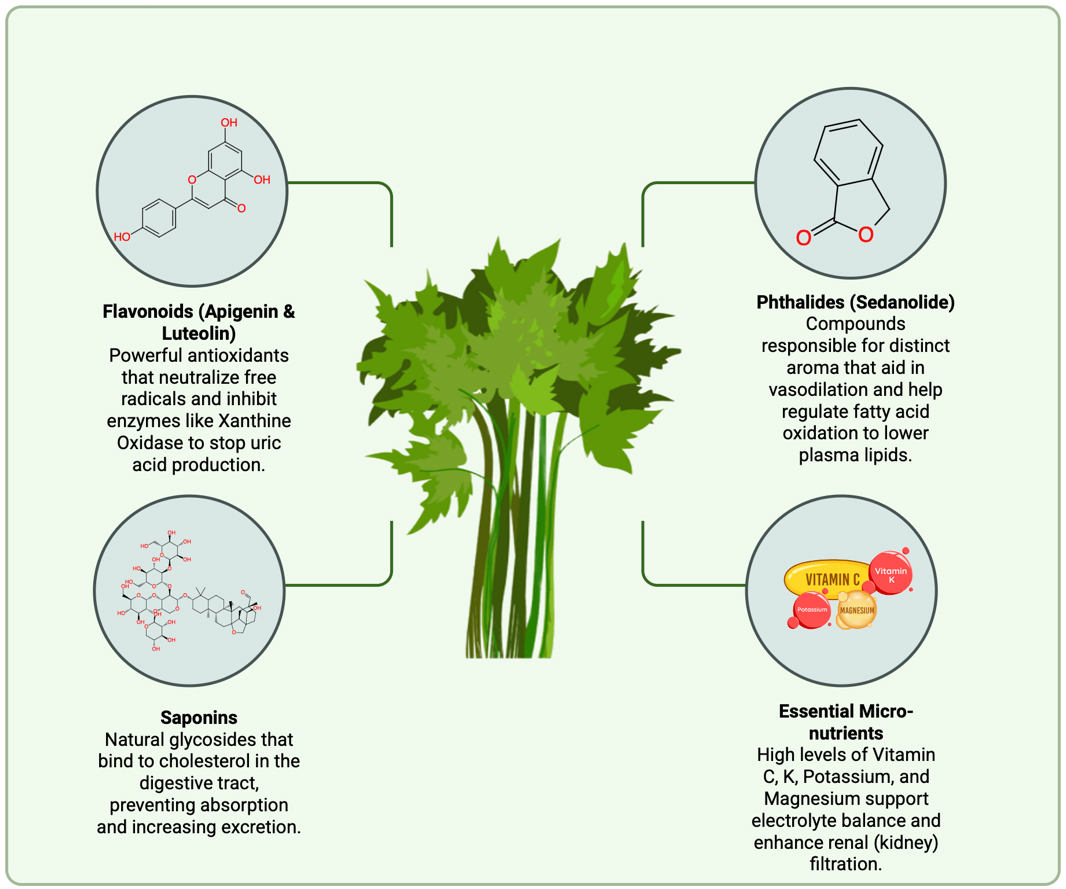
AbstractCelery (Apium graveolens) is a herb containing various bioactive compounds, including flavonoids, phthalides, and saponins, known to regulate purine and lipid metabolism. Hyperuricemia and dyslipidemia are common metabolic disorders that contribute to organ damage through oxidative stress and inflammatory processes in both experimental animals and humans. Therefore, the search for safe and effective natural interventions is a crucial concern in the prevention and management of both conditions. This review aims to examine the scientific evidence regarding the role of celery in reducing uric acid (UA) and cholesterol levels in experimental animals, while also examining the bioactive mechanisms involved. Celery extract supplementation consistently reduces plasma uric acid levels by inhibiting xanthine oxidase activity and increasing purine elimination. Furthermore, celery improves plasma lipid profiles by reducing low-density lipoprotein and triglyceride levels and increasing high-density lipoprotein. Several factors influence the level of effectiveness, such as dose, duration of administration, plant part used, type of extract, and species of test animal. Overall, the experimental data indicate that celery acts through a multi-target mechanism to lower uric acid and cholesterol levels while also providing a protective effect on vital organs by suppressing oxidative stress. These findings strengthen the scientific basis for the use of celery as a candidate natural therapeutic agent in the management of metabolic disorders in animal models and provide a foundation for further research into the optimal dosage, duration of administration, and underlying molecular mechanisms. Keywords: Celery, A. graveolens, Uric acid, Cholesterol, Animal studies, Human health. IntroductionPurine and lipid metabolism disorders are important health problems not only in humans but also in animal models widely used in biomedical research (Zhang et al., 2025). Elevated blood uric acid levels (hyperuricemia) and an imbalanced lipid profile—characterized by elevated low-density lipoprotein (LDL) and triglycerides, accompanied by decreased high-density lipoprotein (HDL)—can trigger damage to the kidney, liver, and vascular tissues through oxidative stress and inflammatory responses (Du et al., 2024). Therefore, regulating uric acid (UA) and cholesterol levels is a crucial component in maintaining metabolic balance, preventing complications in target organs, and ensuring the validity and quality of animal models in experimental research (Li et al., 2025). Safe and highly effective natural-based intervention approaches are gaining increasing attention in the development of therapeutic strategies, given that conventional pharmacological therapies are often associated with potential long-term side effects (Joschko et al., 2023). Plant-derived bioactive compounds have also been reported to exert antioxidant, anti-inflammatory, and metabolic regulatory effects, supporting their potential use in health-related interventions (Sukmanadi et al., 2025). Celery (Apium graveolens), a member of the Apiaceae family, has long been used as a diuretic, anti-inflammatory, and lipid-lowering agent in traditional medicine (ouhi-Boroujeni et al., 2016). This plant contains a variety of bioactive compounds, such as flavonoids, phthalides, saponins, and phenolic compounds, which contribute to its pharmacological activity (Salehi et al., 2019). Flavonoids and phenolics found in celery have antioxidant properties that play a role in scavenging free radicals and suppressing oxidative stress in target tissues, while phthalides are reported to play a role in vasodilation and regulating lipid metabolism (Szarek et al., 2024). Celery is used to help lower blood pressure, improve kidney function, and maintain liver health, all of which are closely related to purine and lipid metabolism control (Alobaidi and Saleh, 2024). The complexity and diversity of these bioactive compounds make celery a promising natural therapeutic agent for lowering UA and cholesterol levels in animal models, while also providing a starting point for the development of translational research in humans (El-Saadony et al., 2025). Although the therapeutic potential of celery has long been recognized, systematic scientific evidence on its effectiveness in animal models remains relatively limited (Kooti and Daraei, 2017). Differences in the plant parts used—such as leaves, seeds, or stems—as well as variations in extraction methods (water, ethanol, or methanol), dosages, and treatment durations pose major challenges in drawing consistent conclusions regarding its efficacy (Jung, 2011). Similarly, extraction conditions such as solvent ratio and processing time have been shown to influence the phenolic content, flavonoid content, and antioxidant activity of Indonesian medicinal plant extracts (Pratama et al., 2023; Pratama et al., 2021). Some studies have reported significant reductions in UA and LDL levels, accompanied by increases in HDL in rat and rabbit models, but others have reported milder or variable effects depending on the study design and protocol used (Tsi et al., 1995; Dianat et al., 2015; Li et al., 2019). This situation underscores the importance of a comprehensive review that integrates all available empirical findings, assesses the consistency of the results, and identifies key factors that influence celery’s effectiveness. The main questions formulated include how celery affects the regulation of UA and cholesterol levels in experimental animals, the molecular and biochemical mechanisms underlying these effects, and the consistency of the results across studies (Dolati et al., 2018). Understanding these aspects is crucial for assessing the potential of celery as a natural therapeutic agent and provides a scientific basis for developing more standardized follow-up studies, including potential applications in nutritional and pharmacological intervention strategies (Daoud et al., 2025). Therefore, this review aims to examine and synthesize various scientific literature examining the effects of celery on reducing UA and cholesterol levels in experimental animals, assess the mechanisms of action of the bioactive compounds involved, and identify factors that determine their effectiveness. This review is expected to provide a solid scientific foundation for further research and strengthen the use of celery as a candidate therapeutic agent in the management of metabolic disorders. Chemical composition and celery bioactive contentCelery is a herb containing a variety of bioactive compounds and has received considerable research attention owing to its pharmacological potential in regulating lipid metabolism and uric acid levels (Gao et al., 2025). Various chemical components found in celery, such as flavonoids, phthalides, saponins, vitamins, and minerals, are thought to work synergistically to produce therapeutic effects, both through regulating the activity of key enzymes and through antioxidant properties that play a role in protecting vital organs, including the liver and kidneys (Sultana et al., 2005). Postharvest processing conditions, including drying time and temperature, may also alter the chemical properties and volatile bioactive compounds of medicinal leaves (Pratama et al., 2022). A comprehensive understanding of this chemical composition provides an important scientific basis for evaluating the mechanism of action of celery in lowering cholesterol and UA levels in experimental animals. Figure 1 illustrates the key bioactive phytochemicals and micronutrients present in celery and summarizes their mechanistic roles in promoting antioxidant activity, modulating lipid metabolism, and supporting renal function, highlighting the integrated pathways through which celery may contribute to reducing UA and cholesterol levels.
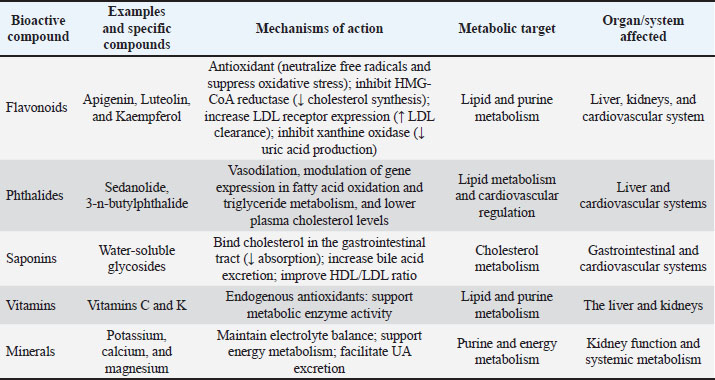
Fig. 1. Bioactive phytochemicals and micronutrients of celery (Apium graveolens) and their mechanistic roles in antioxidant, lipid-lowering, and renal support pathways. Main phytochemicalsCelery is a rich and diverse source of phytochemicals, including flavonoids, phthalides, saponins, vitamins, and minerals, which regulate various metabolic pathways (Li et al., 2020). Flavonoids such as apigenin, luteolin, and kaempferol are polyphenolic compounds with high antioxidant capacity (Ginwala et al., 2019). These compounds play a role in neutralizing free radicals and suppressing oxidative stress in vital organs, particularly the liver and kidneys, which function as centers of lipid metabolism and UA elimination (Zahra et al., 2024). Furthermore, flavonoid activity is associated with modulating cholesterol metabolism through inhibition of the 3-hydroxy-3-methylglutaryl-coenzyme A (HMG-CoA) reductase enzyme and increased expression of the LDL receptor, as well as with reducing uric acid synthesis through inhibition of the xanthine oxidase enzyme (Zeka et al., 2017). Celery also contains phthalides, such as sedanolide and 3-n-butylphthalide, which give this plant its distinctive aroma (Turner et al., 2021). These compounds have vasodilatory activity and are thought to play a role in regulating lipid metabolism by influencing the expression of genes involved in fatty acid oxidation and triglyceride (TG) metabolism (Huang et al., 2024a,b). Therefore, in animal models, phthalides contribute to lowering plasma cholesterol levels and supporting cardiometabolic health (Escobedo-Gutiérrez et al., 2026). Saponins, water-soluble glycosides found in celery, exhibit cholesterol-lowering activity through cholesterol binding in the gastrointestinal tract and increased bile acid elimination (Cao et al., 2024). This process indirectly contributes to lowering plasma cholesterol levels and improving the HDL-to-LDL ratio, thereby enhancing the effects of flavonoids and phthalides through synergistic action (Xiao et al., 2025). Celery is also a source of important vitamins and minerals. Vitamins C and K act as endogenous antioxidants and support the activity of enzymes involved in metabolic processes, while minerals such as potassium, calcium, and magnesium maintain electrolyte balance, support energy metabolism, and facilitate uric acid excretion through kidney function (Mohsenpour et al., 2023; Singh et al., 2023). The synergy of all these bioactive compounds provides a strong scientific basis for celery’s potential to lower cholesterol and uric acid levels, while improving vital organ health in laboratory animals (Thiviya et al., 2021). Role of each bioactive compound in lipid and UA metabolismCelery contains various bioactive compounds, including flavonoids, phthalides, saponins, vitamins, and minerals, which collectively regulate lipid and UA metabolism (Alobaidi and Saleh, 2024). Table 1 summarizes the main bioactive roles of celery in lipid and uric acid metabolism regulation. Flavonoids, such as apigenin, luteolin, and kaempferol, have high antioxidant capacity, thus neutralizing free radicals and suppressing oxidative stress in major organs, particularly the liver and kidneys (Zahra et al., 2024). In the context of lipid metabolism, flavonoids are known to inhibit HMG-CoA reductase activity, a key enzyme in cholesterol synthesis, while increasing LDL receptor expression in the liver, which plays a role in accelerating LDL clearance from the circulation (Li and Li, 2024). In addition, flavonoids regulate purine metabolism by inhibiting xanthine oxidase, thereby reducing endogenous UA production (Liu et al., 2024). Table 1. Role of celery bioactive compounds in lipid and uric acid metabolism.
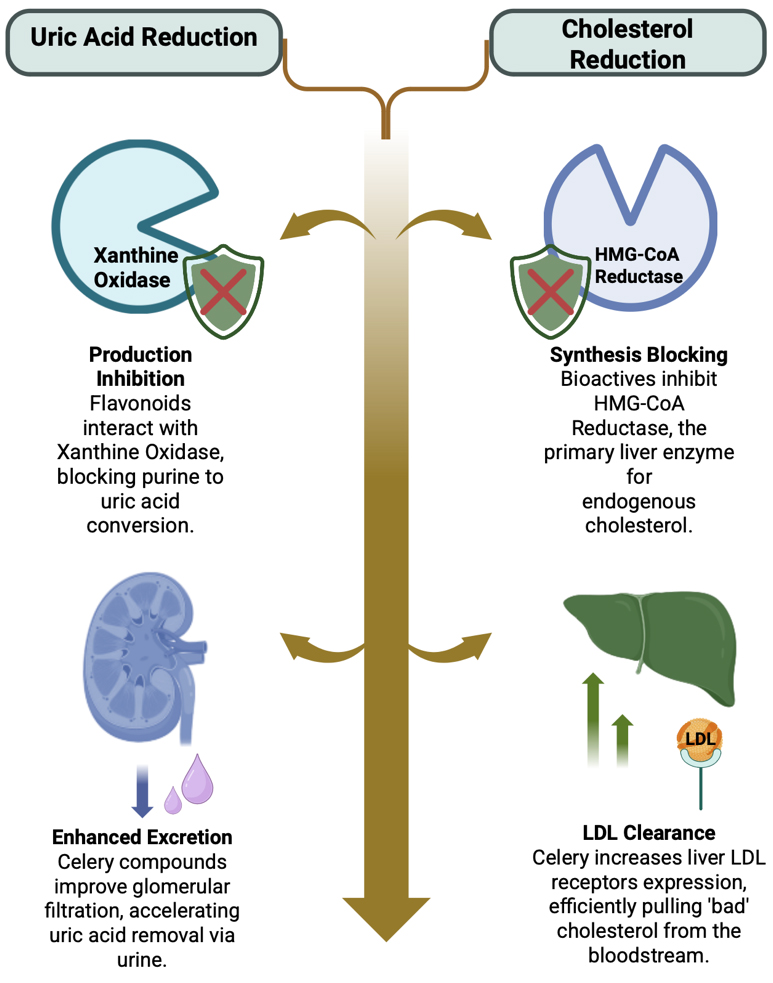
Phthalides, including sedanolide and 3-n-butylphthalide, are compounds responsible for the distinctive aroma of celery and possess vasodilatory activity that contributes to the maintenance of cardiovascular health (Sohrabi et al., 2021). Furthermore, these compounds are thought to influence lipid metabolism by modulating the expression of genes involved in fatty acid oxidation and triglyceride metabolism, thus lowering plasma cholesterol levels (Singh et al., 2025). The synergy between flavonoid and phthalide activity allows for optimal lipid regulation through a multi-target mechanism of action (Bjune et al., 2024). Saponins are water-soluble glycosides that interact with cholesterol in the gastrointestinal tract, thereby inhibiting its absorption and increasing the excretion of bile acids, the primary metabolites of cholesterol (Sanneur et al., 2023). This mechanism indirectly lowers plasma cholesterol levels while improving the HDL-to-LDL ratio (Luo et al., 2022). Furthermore, celery contains various vitamins and minerals, including vitamin C, vitamin K, potassium, calcium, and magnesium, which play a role in supporting endogenous antioxidant enzyme activity, maintaining energy metabolism, and facilitating uric acid excretion through kidney function (Kooti and Daraei, 2017). Each bioactive compound in celery plays a complementary role. Flavonoids suppress cholesterol synthesis and uric acid formation, phthalides regulate lipid metabolism and vascular function, saponins help reduce cholesterol absorption, and vitamins and minerals support vital organ function and metabolite elimination (Salehi et al., 2019). The synergistic interaction of these components provides the scientific basis for celery’s use in lowering cholesterol and UA levels in laboratory animals, while also supporting liver and kidney health (Cheng et al., 2026). Potential mechanisms of celery-induced uric acid reductionHyperuricemia, characterized by elevated uric acid concentrations in the bloodstream, is a metabolic condition that may trigger various complications in experimental animals, including metabolic disorders and kidney tissue damage (Du et al., 2024). The regulation of UA levels depends on the balance between UA synthesis, degradation, and excretion through the kidneys and gastrointestinal tract (Maiuolo et al., 2016). Therefore, compounds that can modulate these metabolic pathways may play an important role in preventing excessive UA accumulation (Ali, 2026). Celery (A. graveolens), which is rich in flavonoids and other phenolic compounds, has been widely investigated for its potential antihyperuricemic activity. Several studies have suggested that bioactive compounds in celery may suppress UA production by inhibiting xanthine oxidase, a key enzyme involved in purine metabolism that catalyzes the conversion of hypoxanthine to xanthine and UA (Dolati et al., 2018). In addition, flavonoids present in celery, such as luteolin and apigenin, have been reported to interact with the active site of xanthine oxidase and reduce its catalytic activity, thereby limiting UA formation (Antoniolli et al., 2025). Experimental evidence also indicates that celery seed extracts contain multiple flavonoid compounds that inhibit xanthine oxidase activity, indicating their potential role as natural agents for managing hyperuricemia (Iswantini et al., 2012). Furthermore, certain natural flavonoids have been shown to promote UA excretion by regulating renal urate transporters, which further contributes to the reduction of serum UA levels (Li et al., 2023). These characteristics make celery a potential candidate antihyperuricemic agent for use in experimental animal models. Figure 2 depicts the dual mechanisms by which celery bioactive compounds contribute to the reduction of UA and cholesterol levels, illustrating both the inhibition of key metabolic enzymes and the enhancement of renal and hepatic clearance pathways.
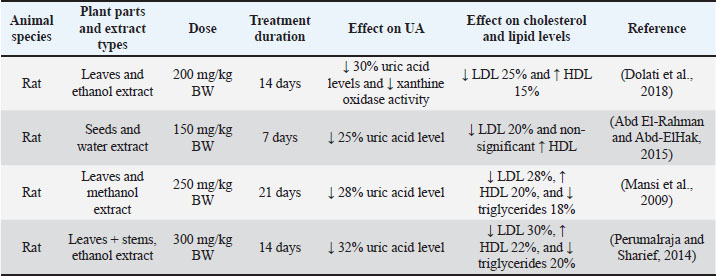
Fig. 2. Dual mechanisms of celery-derived bioactives in uric acid and cholesterol reduction via enzyme inhibition and enhanced clearance. Explanation of the UA metabolic pathway in animalsIn animals, lipid metabolism is a complex series of processes, including digestion, absorption, transport, synthesis, and breakdown of fat and cholesterol (Frydrych et al., 2025). Lipids undergo hydrolysis in the digestive tract after feed intake into free fatty acids, monoglycerides, and cholesterol with the help of lipase enzymes and bile salts (Kupikowska-Stobba et al., 2025). Hydrolysis products are then absorbed by enterocytes in the small intestine and packaged in the form of chylomicrons, which are then transported through the lymphatic system and blood circulation for distribution to peripheral tissues (Nauli et al., 2025). Fatty acids and cholesterol can be used as an energy source or stored as triglycerides in adipose tissue (Iqbal and Hussain, 2009). In animals, endogenous cholesterol synthesis occurs primarily in the liver via the mevalonate pathway, with the enzyme HMG-CoA reductase playing a key role in the conversion of HMG-CoA to mevalonate (Jo and Debose-Boyd, 2010). The resulting cholesterol is then used for cell membrane formation, steroid hormone synthesis, and bile acid production (Cohen, 2008). In the bloodstream, cholesterol is transported by lipoproteins, including LDL, which distributes cholesterol to peripheral tissues, and high-density lipoprotein (HDL), which transports cholesterol from tissues back to the liver for excretion or recycling (Cui et al., 2025). The balance between synthesis, cholesterol uptake from the circulation, and excretion mechanisms determines plasma cholesterol levels and the risk of abnormal lipid accumulation (Guo et al., 2024). In addition to basic biochemical processes, genetic factors, hormonal regulation, and nutritional status influence lipid metabolism in animals (Olsen et al., 2021). Insulin and glucagon regulate triglyceride synthesis and fatty acid oxidation, whereas thyroid hormones influence the overall rate of lipid metabolism (Zhang et al., 2022). Disruptions in these regulatory systems can lead to increased plasma cholesterol and triglyceride levels, which in turn can potentially trigger metabolic disorders and organ damage, such as liver and kidney damage (Rong et al., 2024). Therefore, a thorough understanding of lipid and cholesterol metabolism mechanisms provides an important scientific basis for assessing the effects of nutritional interventions or bioactive compounds, including celery, on lipid regulation in experimental animals (Hanis et al., 2025). Effect of celery compounds on xanthine oxidase and uric acid excretionUric acid is the end product of purine metabolism and is produced through the oxidation of hypoxanthine and xanthine by xanthine oxidase (Kushiyama et al., 2016). Increased activity of this enzyme can trigger the accumulation of UA in the plasma, thereby increasing the risk of hyperuricemia, tissue inflammation, and kidney damage (Du et al., 2024). Therefore, controlling xanthine oxidase activity, along with increasing UA elimination, is the primary approach to lowering UA levels in laboratory animals (Antoniolli et al., 2025). Celery contains flavonoids, including apigenin and luteolin, which inhibit xanthine oxidase enzyme activity (Hang et al., 2022). This inhibition occurs through the interaction of flavonoids with the active site of the enzyme, thereby reducing xanthine conversion to UA (Stachelska et al., 2025). Therefore, celery extract supplementation can significantly suppress endogenous UA production (Jumardi, 2026). Furthermore, the antioxidant properties of flavonoids, which play a role in reducing oxidative stress in hepatocytes and kidney tissue, the main organs involved in purine metabolism, enhance the inhibitory effect on xanthine oxidase (Alsawaf et al., 2022). In addition to suppressing uric acid (UA) formation, the bioactive compounds found in celery also play a role in increasing UA elimination through the kidneys.(Jiang et al., 2020). Flavonoids and other phenolic compounds modulate renal tubular function, increase glomerular filtration rate, and influence purine transport at the nephron level, thereby accelerating UA excretion into the urine (Cao et al., 2022). Several studies in experimental animals have shown that celery extract is not only effective in lowering plasma uric acid levels but also provides a protective effect on kidney tissue from damage caused by hyperuricemia, which is characterized by reduced oxidative stress and interstitial inflammation (Dolati et al., 2018; Li et al., 2019; Soliman et al., 2020). Celery’s UA-lowering mechanism operates through two main pathways: suppression of UA synthesis through xanthine oxidase inhibition and increased renal elimination (Abd El-Rahman and Abd-ElHak, 2015). The synergy of these two mechanisms strengthens celery’s potential as a safe and effective antihyperuricemic agent in animal models and provides a scientific basis for the development of nutritional and pharmacological intervention strategies for the management of hyperuricemia (Dolati et al., 2018). Review of related animal studiesSeveral animal studies have demonstrated that celery (A. graveolens) can reduce uric acid and cholesterol levels. Oral administration of celery extract significantly reduced plasma uric acid levels, accompanied by decreased xanthine oxidase activity, in a mouse model of hyperuricemia. These findings support the hypothesis that flavonoids and phenolic compounds present in celery inhibit endogenous UA production (Zhang et al., 2022b). Furthermore, other experimental studies have reported that celery may enhance uric acid excretion through the kidneys, thereby reducing purine accumulation and providing protective effects against hyperuricemia-induced kidney tissue damage (Halmin et al., 2022). Recent experimental evidence also indicates that plant-derived flavonoids can regulate renal urate transporters and oxidative stress pathways, which further contributes to improved UA homeostasis in animal models (Alsawaf et al., 2022). Celery also exhibits cholesterol-lowering activity in laboratory animals in addition to its effect on uric acid metabolism. Studies conducted in rats and rabbits fed a high-cholesterol diet have shown that celery extract supplementation significantly decreases total cholesterol, LDL cholesterol, and triglyceride levels while increasing HDL concentrations (Abd El-Mageed, 2011). This hypocholesterolemic effect is thought to occur through several mechanisms, including inhibition of HMG-CoA reductase activity, increased hepatic LDL receptor expression, and enhanced bile acid excretion through the gastrointestinal tract, all of which contribute to improved plasma lipid profiles (Duan et al., 2022). Recent studies have also indicated that flavonoids, such as apigenin and luteolin, may regulate lipid metabolism and antioxidant defense systems, thereby supporting celery-derived compounds’ cholesterol-lowering potential (Iswantini et al., 2012). Overall, the findings from these studies suggest that celery acts through multiple biological mechanisms, including inhibition of uric acid and cholesterol synthesis, enhancement of metabolite elimination, and protection of vital organs such as the liver and kidneys from oxidative stress-induced damage (Dolati et al., 2018). These synergistic bioactivities provide a strong scientific basis for the potential use of celery as a natural therapeutic candidate in the management of metabolic disorders in experimental animals and serve as an important reference for further investigations in both preclinical and potential clinical applications (Hedayati et al., 2019). Potential mechanisms of celery-induced cholesterol loweringCholesterol is an essential lipid component in cell membrane formation, steroid hormone synthesis, and bile acid production in animals (Zio et al., 2024). However, excessive increases in plasma cholesterol levels can lead to metabolic disturbances and organ damage, particularly in the liver and vascular system (Dakal et al., 2025). Celery (A. graveolens), which contains various bioactive compounds such as flavonoids, phenolic acids, and phthalides, has been reported to influence lipid metabolism through several mechanisms. These compounds may reduce cholesterol levels by inhibiting hepatic cholesterol synthesis, improving plasma lipid profiles, and enhancing antioxidant activity that protects liver function (Tsi and Tan, 1996). Recent studies have also indicated that flavonoids found in celery, such as apigenin and luteolin, may regulate lipid metabolism by modulating key enzymes involved in cholesterol biosynthesis and lipid transport pathways (Chen et al., 2025). These properties support the potential role of celery as a natural hypocholesterolemic agent in experimental animal models (Tsi and Tan, 2000). Explanation of lipid and cholesterol metabolism in animalsIn animals, lipid metabolism involves a series of interrelated processes, including digestion, absorption, transport, and lipid synthesis and breakdown (Xie et al., 2020). After feed intake, triglycerides and cholesterol undergo hydrolysis in the digestive tract into free fatty acids, monoglycerides, and cholesterol with the help of lipase enzymes and bile salts (Kupikowska-Stobba et al., 2025). These breakdown products are then absorbed by enterocytes in the small intestine and packaged as chylomicrons, which are then transported through the lymphatic system and blood circulation for distribution to peripheral tissues, either as an energy source or for storage in adipose tissue (D'Aquila et al. (2016).). Endogenous cholesterol formation occurs primarily in the liver via the mevalonate pathway, with HMG-CoA reductase playing a key role in converting HMG-CoA to mevalonate, a cholesterol precursor (Gesto et al., 2020). The resulting cholesterol is then used for cell membrane formation, steroid hormone synthesis, and bile acid production (Duan et al., 2022). In the bloodstream, cholesterol is transported by various lipoproteins, including LDL, which distributes cholesterol to peripheral tissues, and HDL, which transports cholesterol from tissues back to the liver for excretion or recycling (Alcover et al., 2025). The balance between synthesis, uptake of cholesterol from the circulation, and elimination mechanisms determines plasma cholesterol levels and the overall lipid profile (Guo et al., 2024). Hormonal factors and nutritional status also significantly influence the regulation of lipid metabolism in animals (Oliveira et al., 2021). Insulin and glucagon regulate triglyceride synthesis and fatty acid oxidation, whereas thyroid hormone modulates the overall rate of lipid metabolism (Dobre et al., 2025). Disruption of this regulatory system can lead to increased plasma cholesterol and triglyceride levels, which in turn can potentially trigger metabolic disorders and organ damage, including damage to the liver and kidneys (Guo et al., 2020). Therefore, understanding these mechanisms provides an important scientific basis for assessing the effects of bioactive compounds, such as flavonoids, phthalides, and saponins in celery, on lipid metabolism regulation in experimental animals (Dolati et al., 2018). Effect of celery bioactive compounds on cholesterol synthesis, plasma lipid profile, and liver functionIn animals, lipid metabolism involves a complex series of processes, including digestion, absorption, transport, and the synthesis and breakdown of fat and cholesterol (Chandel, 2021). After feed intake, triglycerides undergo hydrolysis into free fatty acids and monoglycerides, whereas cholesterol is released from its ester form through the action of pancreatic lipase and bile salts in the digestive tract (Alves-Bezerra and Cohen, 2017). Hydrolysis products are then absorbed by enterocytes in the small intestine and packaged as chylomicrons, which are then transported through the lymphatic system and blood circulation for distribution to peripheral tissues, either as an energy source or for storage as TGs in adipose tissue (Obrowsky et al., 2013). Endogenous cholesterol formation occurs primarily in the liver via the mevalonate pathway, with HMG-CoA reductase acting as the primary regulator in converting HMG-CoA to mevalonate, a cholesterol precursor (Teng, 2025). The resulting cholesterol is then used for cell membrane construction, steroid hormone synthesis, and bile acid production (Cui et al., 2025). In the bloodstream, lipoproteins, including LDL, which transports cholesterol to peripheral tissues, and HDL, which transports cholesterol from tissues back to the liver for elimination or recycling, facilitate cholesterol distribution (Albitar et al., 2024). The balance between synthesis, uptake of cholesterol from the circulation, and excretion mechanisms determines plasma cholesterol levels and the overall lipid profile (Huang et al., 2024a,b). In addition to enzymatic influences, hormonal regulation and nutritional status significantly influence lipid metabolism in animals (Maradonna and Carnevali, 2018). Insulin stimulates triglyceride synthesis and fat accumulation, whereas glucagon promotes fatty acid oxidation as an energy source (Hatting et al., 2018). Furthermore, thyroid hormones control the rate of systemic lipid metabolism (Sabatino and Vassalle, 2025). Disruption of these regulatory mechanisms can lead to increased plasma cholesterol and triglyceride levels, which in turn can lead to metabolic disorders and organ damage, particularly in the liver and kidneys (Guo et al., 2020). Therefore, a comprehensive understanding of these processes provides a crucial scientific basis for evaluating the effects of bioactive compounds, such as flavonoids, phthalides, and saponins in celery, on lipid and cholesterol metabolism in experimental animals (Daoud et al., 2025). Review of related animal studiesSeveral studies in experimental animals have revealed the potential of celery in regulating UA and cholesterol levels. Oral administration of celery extract was reported to significantly reduce plasma uric acid concentrations in a mouse model of hyperuricemia (Dolati et al., 2018; Li et al., 2019; Karim et al., 2021). This decrease was associated with the inhibition of xanthine oxidase activity, which plays a role in uric acid formation (Nguyen Thu et al., 2020). These findings indicate that the flavonoids and phenolic compounds contained in celery can suppress endogenous uric acid production while providing a protective effect against oxidative stress induced by hyperuricemia on vital organs, particularly the kidneys (Putri and Putra, 2024). Several studies have also reported increased urinary uric acid elimination, further confirming the dual mechanism by which celery reduces purine accumulation (Sutoko et al., 2019; Halmin et al., 2022). Celery also exhibits cholesterol-lowering activity in laboratory animals in addition to its antihyperuricemic effects (Dianat et al., 2015). Studies in rats and rabbits fed a high-cholesterol diet have shown that celery extract can lower total cholesterol, LDL cholesterol, and triglyceride levels while increasing HDL cholesterol levels (Al-Asmari et al., 2017). These effects are thought to be mediated by the inhibition of HMG-CoA reductase enzyme activity, increased LDL receptor expression in the liver, and bile acid elimination through the gastrointestinal tract (Li and Chiang, 2009). Celery plays a role in effectively modulating lipid metabolism through these multi-target mechanisms, resulting in improved plasma lipid profiles (Chen et al., 2025). These findings indicate that celery works through the synergistic interaction of various bioactive activities, including metabolite formation inhibition, excretion process enhancement, and tissue protection from oxidative stress-induced damage. This review of animal studies provides a strong scientific basis for the use of celery as a candidate therapeutic agent in the management of metabolic disorders and serves as an important reference for further research in animal models and toward potential clinical applications (Mohsenpour et al., 2023). Effectiveness of celery on experimental animalsCelery is an herbal plant containing various bioactive compounds, including flavonoids, phthalides, and saponins, which can influence the regulation of lipid and UA metabolism (Liu et al., 2025). Several experimental studies in experimental animals have reported that celery extract can reduce plasma UA levels by inhibiting xanthine oxidase activity, accompanied by increased purine elimination by the kidneys (Dolati et al., 2018; Zhang et al., 2022a). Celery also exhibits hypocholesterolemic effects characterized by reduced LDL and TG levels and increased HDL, which is thought to be related to the inhibition of the HMG-CoA reductase enzyme and increased LDL receptor expression in liver tissue (Tsi et al., 1995; Tsi and Tan, 2000). Table 2 summarizes the effects of various celery parts and extract types on UA levels and lipid profiles in experimental animal models, highlighting dose-dependent reductions in plasma UA and improvements in LDL, HDL, and TG levels. Table 2. Effect of celery on UA levels and lipid profiles in experimental animals.
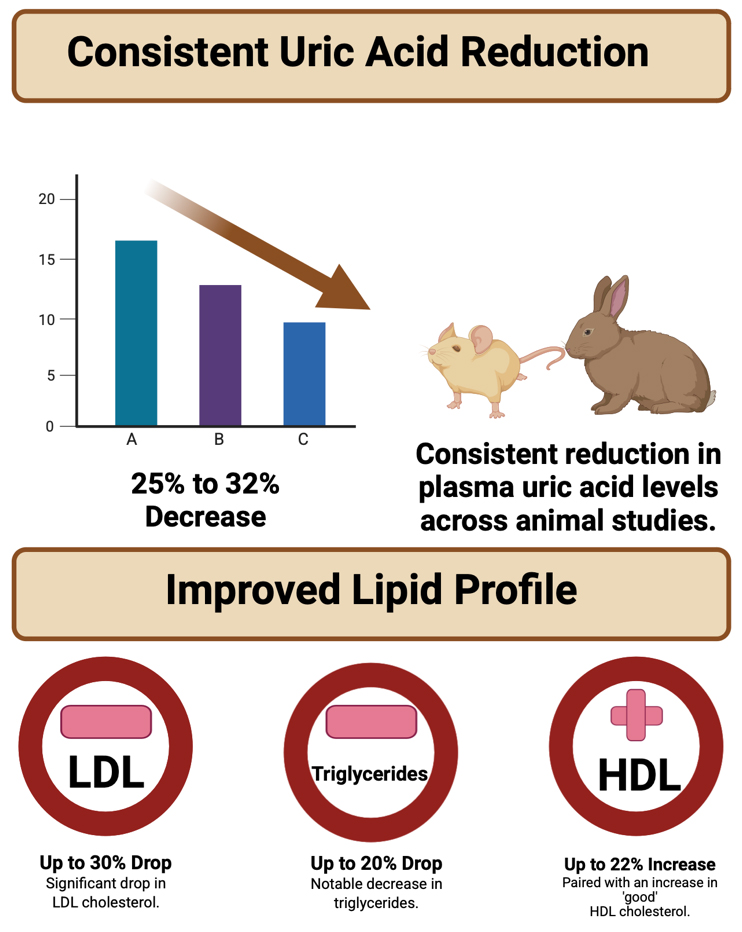
The effectiveness of celery is influenced by the dose and duration of administration and depends on the plant part used, type of extract, and species of test animal (Liu et al., 2025). For example, leaf extracts tend to reduce uric acid levels in a shorter time than seed extracts, while changes in plasma lipid profiles are also influenced by treatment duration and diet composition (Yusni et al., 2018). Overall, these data indicate that celery’s bioactive compounds work synergistically through multiple target mechanisms, including metabolite synthesis inhibition, increased excretion, and organ protection against oxidative stress. Figure 3 summarizes the observed effects of celery-based interventions in animal models, showing a consistent reduction in plasma uric acid levels alongside improvements in lipid profiles, highlighting the potential of celery as a dietary strategy for metabolic health support.
Fig. 3. Consistent reduction of plasma uric acid and improvement of lipid profiles following celery-based interventions in animal models. Ethanol extract from leaves at a dose of 200 mg/kg body weight for 14 days was reported to reduce serum uric acid levels by approximately 30% while also inhibiting hepatic xanthine oxidase activity in rats. This reduction in UA was accompanied by improvements in lipid profiles, with a decrease in LDL cholesterol by 25% and an increase in HDL cholesterol by 15% (Dolati et al., 2018). Similarly, water extract from celery seeds at 150 mg/kg BW administered for 7 days reduced plasma uric acid by 25%, along with a 20% reduction in LDL cholesterol, although the increase in HDL cholesterol was not statistically significant (Zhang et al., 2022a). These findings indicate that both ethanol and celery aqueous extracts exert hypouricemic effects by inhibiting xanthine oxidase and potentially enhancing lipid metabolism (Jiang et al., 2020). Administration of methanol extract from leaves at 250 mg/kg BW for 21 days resulted in a 28% reduction in uric acid levels in rat models. Concurrently, lipid profile improvements were observed, including a 28% decrease in LDL cholesterol, a 20% increase in HDL cholesterol, and an 18% reduction in TGs (Aburjai et al., 2009). These results indicate that the hypolipidemic effects of celery are not limited to rodent models but also extend to other mammalian species (Gao et al., 2025). Furthermore, combined extracts from leaves and stems administered as an ethanol extract at 300 mg/kg BW for 14 days in rats produced a more pronounced effect, lowering UA levels by 32%, reducing LDL cholesterol by 30%, increasing HDL cholesterol by 22%, and decreasing TG levels by 20% (Perumalraja and Sharief, 2014). This indicates a dose-dependent and potentially synergistic effect when multiple plant parts are used (Tsi et al., 1995). Celery has a multi-target mechanism of action, including inhibiting uric acid and cholesterol formation, enhancing metabolite removal, and protecting vital organs from oxidative stress damage. These findings strengthen the scientific basis for the use of celery as a potential therapeutic agent for treating metabolic disorders in animal models (Mohamud Dirie et al., 2025). Safety and toxicitiesAlthough celery has been extensively studied for its therapeutic effects on uric acid and cholesterol levels have been extensively studied, evaluating its safety and potential toxicity remains a key concern in animal studies (Li et al., 2019). Numerous scientific reports have indicated that administration of celery extract to various animal models is generally well tolerated and does not produce clinically significant signs of toxicity. For example, studies in rats have shown that administration of celery leaf and seed extract at relatively high doses for several weeks does not cause pathological changes in vital organs such as the liver, kidneys, and heart (Perumalraja and Sharief, 2014; Mohamud Dirie et al., 2025). Toxicological studies indicate that celery has a relatively broad therapeutic index with minimal adverse effects on hematological and serum biochemical parameters (Powanda and Rainsford, 2011). Several studies have reported mild changes in liver enzyme activity or plasma protein levels when very high doses are administered, but these changes did not progress to significant tissue damage. These findings indicate that celery’s bioactive compounds can work safely within the recommended dosage range while maintaining antihyperuricemic and hypocholesterolemic activity (Kma et al., 2023). Celery is relatively safe for use in animal models within the appropriate dosage range, with a low risk of toxicity (Kma et al., 2023; Nouioura et al., 2024). These findings provide a scientific basis for the use of celery as a potential therapeutic agent and serve as an important reference for further research focused on evaluating long-term safety and determining optimal dosages in animal models and potential clinical applications (Mohamud Dirie et al., 2025). DiscussionThis section reviews the main results regarding the effect of celery on reducing UA levels and improving lipid profiles in animal models by reviewing the strengths and limitations of the available evidence, assessing its potential applications in animal and human health, and identifying research gaps that still need to be explored to support the development of more effective therapeutic strategies (Dianat et al., 2015). Interpretation of the findingsFindings from various animal studies indicate that celery has a significant effect in lowering UA levels while improving plasma lipid profiles. A relatively consistent decrease in UA has been reported in various rat models, consistent with reduced xanthine oxidase enzyme activity (Dolati et al., 2018). This indicates that flavonoids and phenolic compounds in celery play a role in suppressing endogenous UA production (Jung, 2011). Furthermore, increased purine elimination via the kidneys further confirms celery’s multi-target mechanism of action in preventing the accumulation of purine metabolites that can cause tissue damage (Halmin et al., 2022). Furthermore, improvements in lipid profiles, demonstrated by decreased LDL and triglyceride levels and increased HDL, indicate the role of celery in regulating lipid metabolism (Mohsenpour et al., 2023). These effects are thought to be related to HMG-CoA reductase enzyme inhibition, increased hepatic LDL receptor expression, and bile acid excretion stimulation (Abd El-Mageed, 2011). Although the magnitude of the effects varies across studies due to differences in dose, treatment duration, type of extract, and animal species, the results are generally consistent and confirm that celery’s activity is influenced by dose and administration timing (Zaazaa, 2018). Celery works through a multi-target mechanism to lower uric acid and cholesterol levels, while also providing a protective effect against oxidative stress in vital organs (Li et al., 2019). These findings strengthen the scientific basis for celery’s use as a candidate therapeutic agent in the management of metabolic disorders in animals and serve as an important reference for further research focused on determining the optimal dose, duration of administration, and elucidating the involved molecular mechanisms (Mohamud Dirie et al., 2025). Strengths and limitations of animal studies Animal studies on the effects of celery on reducing UA levels and improving lipid profiles demonstrate several strengths that strengthen the reliability of these findings (Dolati et al., 2018). One key aspect is the consistency of the results across various test animal species, including rats, which consistently show reductions in UA, LDL, and TG levels, accompanied by increases in HDL (Geng et al., 2024). Furthermore, the use of clearly measurable biochemical parameters, such as xanthine oxidase activity, purine levels, and plasma lipid profiles, provides a strong quantitative basis for evaluating the effectiveness of celery (Dolati et al., 2018). These studies also employed a variety of extracts and plant parts (leaves, seeds, and stems; ethanol, methanol, and water solvents), allowing the flexibility and potential effectiveness of celery to be assessed across a range of experimental designs and conditions (Kooti and Daraei, 2017). However, several limitations should be considered. Variations in dosage, treatment duration, type of extract, and plant part used can influence effectiveness, making comparisons between studies more complex (Rombolà et al., 2020). Furthermore, most studies are short-term, so the long-term effects and safety of chronic use are not yet fully understood. Most studies also used healthy animal models or only induced hyperuricemia/dyslipidemia, so the relevance of the findings to more complex clinical conditions still needs to be further assessed (Zhang et al., 2025; Cheng et al., 2026). These factors emphasize the importance of additional studies with more standardized designs, optimal dosing, adequate duration of administration, and target organ safety evaluation to ensure broader applicability of the results (Cook et al., 2015). Potential applications in animal and human health Animal studies have shown that celery has significant therapeutic potential in the management of hyperuricemia and dyslipidemia (Dolati et al., 2018). The consistent reduction in UA levels and improvement in plasma lipid profiles confirm that the bioactive compounds in celery act through multi-target mechanisms (Li et al., 2019). These mechanisms include inhibition of uric acid synthesis by reducing xanthine oxidase activity, increased purine excretion, and modulation of lipid metabolism by inhibiting HMG-CoA reductase and increasing LDL receptor expression in the liver (Dawson and Walters, 2006). Thus, celery not only reduces purine and lipid metabolites but also protects vital organs from oxidative stress and inflammation (Hedayati et al., 2019). The potential use of celery in animal health includes the development of nutritional supplements or adjunctive therapies to regulate UA and cholesterol levels, particularly in animal models of hyperuricemia or dyslipidemia (Escobedo-Gutiérrez et al., 2026). In veterinary contexts, maintaining animal health remains important because systemic diseases may affect physiological balance and complicate disease interpretation in animal populations (Khairullah et al., 2024). Its proven effectiveness in various animal species provides a scientific basis for further research, including determining the optimal dosage, duration of administration, and most effective extraction method (Muteeb et al., 2023). Furthermore, these findings open up opportunities for human application, with the potential for celery to be developed as a dietary intervention or herbal supplement to support the natural management of UA and cholesterol levels (Zhang et al., 2025). However, further clinical research is needed to confirm its safety, efficacy, and appropriate dosage in human physiological conditions, as well as to evaluate potential interactions with conventional pharmacological therapies (Sheng and Zhang, 2025). Experimental evidence indicates that celery is a safe, effective, and multi-targeted natural therapeutic agent candidate, both for animal health and its potential application in humans (Liu et al., 2025). Research gaps that still need to be addressedAlthough numerous animal studies have demonstrated the positive effects of celery in lowering UA levels and improving lipid profiles, several research gaps remain that need to be addressed to strengthen the scientific basis and practical applications (Doaud et al., 2025). First, the detailed molecular mechanisms of celery’s bioactive compounds, including flavonoids, phthalides, and saponins, in modulating purine and lipid metabolism remain poorly understood (Salehi et al., 2019). A deeper understanding of the involved enzymatic pathways and gene regulation will allow for the optimization of celery’s use as a therapeutic agent (Tan et al., 2023). Second, variations in the plant part used (leaves, seeds, and stems), extract type (ethanol, methanol, and water), dose, and duration of administration are factors that influence effectiveness, but systematic comparative data are still limited (Lee et al., 2024). The influence of extraction methods on biological activity has also been observed in other natural products, where different extraction techniques produced different antioxidant and bioactivity profiles (Misgiati et al., 2024). Further research is needed to determine the optimal combination of these factors to maximize antihyperuricemic and hypocholesterolemic effects (Qiao et al., 2024). Third, most studies are short-term, so long-term effects, chronic safety, and potential organ toxicity have not been adequately evaluated (González-Ponce et al., 2018). These evaluations are crucial to ensure that celery at therapeutic doses does not cause adverse side effects (Shayani Rad et al., 2022). Finally, the translation of animal study results to humans remains limited. Clinical studies are needed to assess the safety, efficacy, and optimal dosage in human physiological conditions, as well as to understand the potential interactions with conventional pharmacological therapies (Kaplan et al., 2024; Kurniawan et al., 2025). Further research in these areas will strengthen the scientific basis for developing celery as an effective and safe natural therapeutic agent (Marshall et al., 2023). ConclusionCelery has been shown to lower UA levels and improve lipid profiles in animal models through multi-target mechanisms, including inhibition of xanthine oxidase activity, increased purine excretion, and regulation of lipid metabolism. These effects are consistent across animal species, doses, and extract types, although differences in protocols may influence effectiveness. Further research is needed to determine the optimal dosage, administration duration, long-term safety, and more detailed molecular mechanisms. Comparative studies of plant parts and extraction methods are also essential to identify the most effective formulations. These findings provide a scientific basis for the development of celery as a natural therapeutic agent for the management of metabolic disorders in animals, while also revealing its potential applications in humans. AcknowledgmentThe authors would like to thank the Universitas Airlangga and Badan Riset dan Inovasi Nasional. FundingThis study was supported by funding from the Faculty Research Group Research in 2025 (Research Contract Number 2998/B/UN3.FKH/PT.01.03/2025). Author’s contributionsDR, ARK, IFM, and SW drafted the manuscript. HP, MHE, and BB revised and edited the manuscript. ENU, IBM, M’AK, and SR prepared and critically checked this manuscript. VNH, RZA, FU, and BPP edited the references. All authors have read and approved the final version of the manuscript. Conflict of interestThe authors declare no conflict of interest. Data availabilityAll references are open access, so data can be obtained from the internet. ReferencesAbd El-Mageed, N. 2011. Hepatoprotective effect of feeding celery leaves mixed with chicory leaves and barley grains to hypercholesterolemic rats. Pharmacogn. Mag. 7(26), 151–156. Abd El-rahman, H.S.M. and Abd-ElHak, N.A.M. 2015. Xanthine oxidase inhibitory activity and antigout of celery, leek, parsley and molokhia. Adv. Biochem. 3(4), 40. Aburjai, T., Mansi, K., Abushoffa, A. and Disi, A. 2009. Hypolipidemic effects of seed extract of celery (Apium graveolens) in rats. Pharmacogn. Mag. 5(20), 301–305. Al-Asmari, A., Athar, M.T. and Kadasah, S. 2017. An updated phytopharmacological review on medicinal plant of Arab region: Apium graveolens Linn. Pharmacognosy. Rev. 11(21), 13–18. Albitar, O., D’Souza, C.M. and Adeghate, E.A. 2024. Effects of lipoproteins on metabolic health. Nutrients 16(13), 2156. Alcover, S., Ramos-Regalado, L., Girón, G., Muñoz-García, N. and Vilahur, G. 2025. HDL-cholesterol and triglycerides dynamics: essential players in metabolic syndrome. Antioxidants 14(4), 434. Ali, N. 2026. Interactions between serum uric acid and gut microbiota: implications for metabolic health. Metab. Open 29(1), 100438. Alobaidi, S. and Saleh, E. 2024. Antihypertensive property of celery: a narrative review on current knowledge. Int. J. Food Sci. 1(1), 9792556. Alsawaf, S., Alnuaimi, F., Afzal, S., Thomas, R.M., Chelakkot, A.L., Ramadan, W.S., Hodeify, R., Matar, R., Merheb, M., Siddiqui, S.S. and Vazhappilly, C.G. 2022. Plant flavonoids on oxidative stress-mediated kidney inflammation. Biol. (Basel). 11(12), 1717. Alves‐Bezerra, M. and Cohen, D.E. 2017. Triglyceride metabolism in the liver. Compr. Physiol. 8(1), 1–8. Antoniolli, G., De Moraes, G.R., Da Costa, R.P.N., De Campos, G.A.R. and Coelho, F. 2025. Advances in xanthine oxidase inhibition: a review of potential bioactive synthetic compounds. Arch. Pharm. (Weinheim). 358(8), e70079. Bjune, K., Halvorsen, P.S., Wangensteen, H., Leren, T.P., Bogsrud, M.P. and Strøm, T.B. 2024. Flavonoids regulate LDLR through different mechanisms tied to their specific structures. J. Lipid. Res. 65(5), 100539. Cao, S., Liu, M., Han, Y., Li, S., Zhu, X., Li, D., Shi, Y. and Liu, B. 2024. Effects of saponins on lipid metabolism: the gut–liver axis plays a key role. Nutrients 16(10), 1514. Cao, Y.L., Lin, J.H., Hammes, H.P. and Zhang, C. 2022. Flavonoids in treatment of chronic kidney disease. Molecules 27(7), 2365. Chandel, N.S. 2021. Lipid metabolism. Cold Spring Harbor Perspect. Biol. 13(9), 40576. Chen, X., Yang, J., Zhou, Y., Wang, Q., Xue, S., Zhang, Y. and Niu, W. 2025. Research progress and prospects of flavonoids in the treatment of hyperlipidemia: a narrative review. Molecules 30(15), 3103. Cheng, W., Zhao, T. and Liu, L. 2026. Pathogenesis, animal models and pharmacological treatments of hyperuricemia: a systematic review. Biomed. Pharmacother. 195(1), 119011. Cohen, D.E. 2008. Balancing cholesterol synthesis and absorption in the gastrointestinal tract. J. Clin. Lipidol. 2(2), S1–S3. Cook, N., Hansen, A.R., Siu, L.L. and Abdul Razak, A.R. 2015. Early phase clinical trials to identify optimal dosing and safety. Mol. Oncol. 9(5), 997–1007. Cui, D., Yu, X., Guan, Q., Shen, Y., Liao, J., Liu, Y. and Su, Z. 2025. Cholesterol metabolism: molecular mechanisms, biological functions, diseases, and therapeutic targets. Mol. Biomed. 6(1), 72. Dakal, T.C., Xiao, F., Bhusal, C.K., Sabapathy, P.C., Segal, R., Chen, J. and Bai, X. 2025. Lipids dysregulation in diseases: core concepts, targets and treatment strategies. Lipids. Health. Dis. 24(1), 61. Daoud, G., Ahsan, F., Mahmood, T., Bano, S., Ansari, V.A., Zaidi, S.M.H. and Ansari, J. 2025. Therapeutic potential and bioactive compounds of Apium graveolens: a phytopharmacological review. Pharmacol. Res. Rep. 3(1), 100039. D'Aquila, T., Hung, Y.H., Carreiro, A. and Buhman, K.K. 2016. Recent discoveries on absorption of dietary fat: presence, synthesis, and metabolism of cytoplasmic lipid droplets within enterocytes. Biochim Biophys Acta 1861(8 Pt A), 730–747. Dawson, J. and Walters, M. 2006. Uric acid and xanthine oxidase: future therapeutic targets in the prevention of cardiovascular disease?. Br. J. Clin. Pharmacol. 62(6), 633–644. Dianat, M., Veisi, A., Ahangarpour, A. and Moghaddam, H.F. 2015. The effect of hydro-alcoholic celery (Apium graveolens) leaf extract on cardiovascular parameters and lipid profile in an animal model of fructose-induced hypertension. Avicenna. J. Phytomed. 5(3), 203–209. Dobre, M.Z., Virgolici, B. and Cioarcă-Nedelcu, R. 2025. Lipid hormones at the intersection of metabolic imbalances and endocrine disorders. Curr. Issues. Mol. Biol. 47(7), 565. Dolati, K., Rakhshandeh, H., Golestani, M., Forouzanfar, F., Sadeghnia, R. and Sadeghnia, H.R. 2018. Inhibitory effects of Apium graveolens on xanthine oxidase activity and serum uric acid levels in hyperuricemic mice. Prev. Nutr. Food Sci. 23(2), 127–133. Du, L., Zong, Y., Li, H., Wang, Q., Xie, L., Yang, B., Pang, Y., Zhang, C., Zhong, Z. and Gao, J. 2024. Hyperuricemia and its related diseases: mechanisms and advances in therapy. Signal. Transduct. Target. Ther. 9(1), 212. Duan, Y., Gong, K., Xu, S., Zhang, F., Meng, X. and Han, J. 2022. Regulation of cholesterol homeostasis in health and diseases: from mechanisms to targeted therapeutics. Signal Transduct. Target. Ther. 7(1), 265. El-Saadony, M.T., Saad, A.M., Mohammed, D.M., Korma, S.A., Alshahrani, M.Y., Ahmed, A.E., Ibrahim, E.H., Salem, H.M., Alkafaas, S.S., Saif, A.M., Elkafas, S.S., Fahmy, M.A., Abd El-mageed, T.A., Abady, M.M., Assal, H.Y., El-Tarabily, M.K., Mathew, B.T., Abuqamar, S.F., El-Tarabily, K.A. and Ibrahim, S.A. 2025. Medicinal plants: bioactive compounds, biological activities, combating multidrug-resistant microorganisms, and human health benefits—a comprehensive review. Front. Immunol. 16(1), 1491777. Escobedo-Gutiérrez, M.D.J., Cortez-Navarrete, M., Martínez-Abundis, E. and Pérez-Rubio, K.G. 2026. Effect of celery seed (Apium graveolens L.) administration on the components of metabolic syndrome, insulin sensitivity, and insulin secretion: a clinical trial. Pharmaceuticals 19(1), 110. Frydrych, A., Kulita, K., Jurowski, K. and Piekoszewski, W. 2025. Lipids in clinical nutrition and health: narrative review and dietary recommendations. Foods 14(3), 473. Gao, H., Lv, G.H. and Huang, R.W. 2025. A narrative pharmacological review: current research status of in vivo and in vitro applications of natural spice celery seed. Nat. Prod. Commun. 20(3), 1–22. Geng, X., Tian, W., Zhuang, M., Shang, H., Gong, Z. and Li, J. 2024. Green radish polysaccharides ameliorate hyperlipidemia in high-fat-diet-induced mice via short-chain fatty acids production and gut microbiota regulation. Foods 13(24), 4113. Gesto, D.S., Pereira, C.M.S., Cerqueira, N.M.F.S. and Sousa, S.F. 2020. An atomic-level perspective of HMG-CoA reductase: the target enzyme to treat hypercholesterolemia. Molecules 25(17), 3891. Ginwala, R., Bhavsar, R., Chigbu, D.I., Jain, P. and Khan, Z.K. 2019. Potential role of flavonoids in treating chronic inflammatory diseases with a special focus on the anti-inflammatory activity of apigenin. Antioxidants. (Basel). 8(2), 35. González-Ponce, H., Rincón-Sánchez, A., Jaramillo-Juárez, F. and Moshage, H. 2018. Natural dietary pigments: potential mediators against hepatic damage induced by over-the-counter non-steroidal anti-inflammatory and analgesic drugs. Nutrients 10(2), 117. Guo, J., Chen, S., Zhang, Y., Liu, J., Jiang, L., Hu, L., Yao, K., Yu, Y. and Chen, X. 2024. Cholesterol metabolism: physiological regulation and diseases. MedComm. 5(2), 476. Halmin Rahman, S. 2022. Effect of celery extract (Apium gravolens Linn) on uric acid reduction in elderly in iman clinic, Medan Labuhan district, Medan City. J. Pendidikan Tambusai 6(2), 12026–12031. Hang, N.T., Thi Tu Uyen, T. and Van Phuong, N. 2022. Green extraction of apigenin and luteolin from celery seed using deep eutectic solvent. J. Pharm. Biomed. Anal. 207(1), 114406. Hanis, N., Ismail, N.A. and Ali, E.Z. 2025. Systematic review on effectiveness of flavonoids against hypercholesterolemia: insights from in silico, in vitro, and in vivo studies. Food. Chem. Adv. 7(1), 100981. Hatting, M., Tavares, C.D.J., Sharabi, K., Rines, A.K. and Puigserver, P. 2018. Insulin regulation of gluconeogenesis. Ann. N. Y. Acad. Sci. 1411(1), 21–35. Hedayati, N., Bemani Naeini, M., Mohammadinejad, A. and Mohajeri, S.A. 2019. Beneficial effects of celery (Apium graveolens) on metabolic syndrome: a review of the existing evidences. Phytotherapy Res. 33(12), 3040–3053. Huang, C.H., Hsu, H.S. and Chiang, M.T. 2024. Influence of varied dietary cholesterol levels on lipid metabolism in hamsters. Nutrients 16(15), 2472. Huang, S., Chen, J., Liu, X., Xing, C., Zhao, L., Chan, K. and Lu, G. 2024. Evaluation of the pharmaceutical activities of Chuanxiong, a key medicinal material in traditional Chinese medicine. Pharmaceuticals 17(9), 1157. Iqbal, J. and Hussain, M.M. 2009. Intestinal lipid absorption. Am. J. Physiol. Endocrinol. Metab. 296(6), E1183–E1194. Iswantini, D., Ramdhani, T.H. and Darusman, L.K. 2012. In vitro inhibition of celery (Apium graveolens L.) extract on the activity of xanthine oxidase and determination of its active compound. Indones. J. Chem. 12(3), 247–254. Jiang, L.L., Gong, X., Ji, M.Y., Wang, C.C., Wang, J.H. and Li, M.H. 2020. Bioactive compounds from plant-based functional foods: a promising choice for the prevention and management of hyperuricemia. Foods 9(8), 973. Jo, Y. and Debose-Boyd, R.A. 2010. Control of cholesterol synthesis through regulated ER-associated degradation of HMG CoA reductase. Crit. Rev. Biochem. Mol. Biol. 45(3), 185–198. Joschko, L., Pálsdóttir, A.M., Grahn, P. and Hinse, M. 2023. Nature-based therapy in individuals with mental health disorders, with a focus on mental well-being and connectedness to nature: a pilot study. Int. J. Environ. Res. Public. Health. 20(3), 2167. Jung, W.S. 2011. In vitro antioxidant activity, total phenolics and flavonoids from celery (Apium graveolens) leaves. J. Med. Plants. Res. 5(32), 7022–7030. Jumardi, J. 2026. Therapeutic bioactives in medicinal and edible plants for hyperuricemia treatment. Kem. Ind. 75(1–2), 91–101. Kaplan, B.L.F., Hoberman, A.M., Slikker, W., Smith, M.A., Corsini, E., Knudsen, T.B., Marty, M.S., Sobrian, S.K., Fitzpatrick, S.C., Ratner, M.H. and Mendrick, D.L. 2024. Protecting human and animal health: the road from animal models to new approach methods. Pharmacol. Rev. 76(2), 251–266. Karim, A., Bhatti, S.A., Johnson, N., Akhtar, M., Mona, S. and Safdar, Z. 2021. Effect of Apium graveolens (celery) seed extract on serum uric acid level of hyperuricemic rats and its comparison with allopurinol. J. Shalamar Med. Dent. Coll. 2(2), 85–91. Khairullah, A.R., Effendi, M.H., Moses, I.B., Fauzia, K.A., Puspitasari, Y., Riwu, K.H.P., Fauziah, I., Raissa, R., Silaen, O.S.M., Wibowo, S., Yanestria, S.M., Kusala, M.K.J., Abdila, S.R., Pratama, B.P. and Hasib, A. 2024. Classical swine fever: unveiling the complexity through a multifaceted approach. Open Vet. J. 14(10), 2497–2508; doi:10.5455/OVJ.2024.v14.i10.1 Kma, L., Marbaniang, C., Chanu, M.T. and Nathsharan, R. 2023. Determination of the safe dose of aqueous extract of Apium graveolens L. by acute and sub-acute toxicity study. J. Plant Sci. Res. 10(2), 252. Kooti, W. and Daraei, N. 2017. A review of the antioxidant activity of celery (Apium graveolens L.). J. Evid. Based. Complementary. Altern. Med. 22(4), 1029–1034. Kupikowska-Stobba, B., Niu, H., Klojdová, I., Agregán, R., Lorenzo, J.M. and Kasprzak, M. 2025. Controlled lipid digestion in the development of functional and personalized foods for a tailored delivery of dietary fats. Food Chem. 466(1), 142151. Kurniawan, M.'., Suwanti, L.T., Mufasirin, M., Suprihati, E., Hastutiek, P., Kusnoto, K., Ansori, A.N.M., Puspitasari, Y., Khairullah, A.R., Moses, I.B., Pratama, B.P. and Riwu, K.H.P. 2025. Morphometric and molecular identification of Eimeria bovis and Eimeria zuernii on beef cattle in Lamongan, East Java, Indonesia. Jurnal Medik Veteriner 8(1), 153–166. Kushiyama, A., Nakatsu, Y., Matsunaga, Y., Yamamotoya, T., Mori, K., Ueda, K., Inoue, Y., Sakoda, H., Fujishiro, M., Ono, H. and Asano, T. 2016. Role of uric acid metabolism-related inflammation in the pathogenesis of metabolic syndrome components such as atherosclerosis and nonalcoholic steatohepatitis. Mediators Inflamm. 1(1), 8603–8164. Lee, J.E., Jayakody, J., Kim, J.I., Jeong, J.W., Choi, K.M., Kim, T.S., Seo, C., Azimi, I., Hyun, J. and Ryu, B. 2024. The influence of solvent choice on the extraction of bioactive compounds from Asteraceae: a comparative review. Foods 13(19), 3151. Li, H., Shi, L., Chen, X. and Wang, M. 2023. Association between dietary intake of flavonoids and hyperuricemia: a cross-sectional study. BMC. Public. Health. 23(1), 1227. Li, M.Y., Feng, K., Hou, X.L., Jiang, Q., Xu, Z.S., Wang, G.L., Liu, J.X., Wang, F. and Xiong, A.S. 2020. The genome sequence of celery (Apium graveolens L.), an important leaf vegetable crop rich in apigenin in the Apiaceae family. Hortic. Res. 7(1), 9. Li, S., Li, L., Yan, H., Jiang, X., Hu, W., Han, N. and Wang, D. 2019. Anti-gouty arthritis and anti-hyperuricemia properties of celery seed extracts in rodent models. Mol. Med. Rep. 20(5), 4623–4633. Li, T. and Chiang, J.Y.L. 2009. Regulation of bile acid and cholesterol metabolism by PPARs. PPAR. Res. 1(1), 501739. Li, X. and Li, M. 2024. Unlocking cholesterol metabolism in metabolic-associated steatotic liver disease: molecular targets and natural product interventions. Pharmaceuticals 17(8), 1073. Li, X., Chen, Z., Zhang, Y., Fan, C., Chen, L., Xu, X., Chang, J., Qiang, W., Jiang, H. and Liu, C. 2025. Research progress on multidimensional intervention strategies for hyperuricemia: western medicine, Traditional Chinese Medicine, and emerging therapies. Front. Endocrinol. 16(1), 1722245. Liu, D., Zhao, H., Xu, H. and Hu, J. 2025. Effects of celery (Apium graveolens) on blood pressure, glycemic and lipid profile in adults: a systematic review and meta-analysis of randomized controlled trials. Front. Nutr. 12(1), 1597680. Liu, F., Bai, Y., Wan, Y., He, J., Li, Q., Xie, Y. and Guo, P. 2024. Mechanism of flavonoids in the treatment of gouty arthritis (review). Mol. Med. Rep. 30(2), 132. Luo, H., Chen, J., Su, C. and Zha, L. 2022. Advances in the bioactivities of phytochemical saponins in the prevention and treatment of atherosclerosis. Nutrients 14(23), 4998. Maiuolo, J., Oppedisano, F., Gratteri, S., Muscoli, C. and Mollace, V. 2016. Regulation of uric acid metabolism and excretion. Int. J. Cardiol. 213(1), 8–14. Maradonna, F. and Carnevali, O. 2018. Lipid metabolism alteration by endocrine disruptors in animal models: an overview. Front. Endocrinol. 9(1), 654. Marshall, L.J., Bailey, J., Cassotta, M., Herrmann, K. and Pistollato, F. 2023. Poor translatability of biomedical research using animals: a narrative review. Altern. Lab. Anim. 51(2), 102–135. Mohamud Dirie, L., Yurdakul, T., Isik, S. and Tarbiat, S. 2025. Exploring the neuroprotective properties of celery (Apium graveolens Linn) extract against amyloid-beta toxicity and enzymes associated with Alzheimer’s disease. Molecules 30(10), 2187. Mohsenpour, M.A., Samadani, M., Shahsavani, Z., Golmakani, M.T., Pishdad, G.R. and Ekramzadeh, M. 2023. The effect of celery (Apium graveolens) powder on cardiometabolic factors in overweight/obese individuals with type 2 diabetes mellitus: a pilot randomized, double-blinded, placebo-controlled clinical trial. Food Sci. Nutr. 11(9), 5351–5363. Muteeb, G., Rehman, M.T., Shahwan, M. and Aatif, M. 2023. Origin of antibiotics and antibiotic resistance, and their impacts on drug development: a narrative review. Pharmaceuticals. (Basel). 16(11), 1615. Nauli, A.M., Phan, A., Mai, K., Tran, K. and Nauli, S.M. 2025. Guide for selecting experimental models to study dietary fat absorption. Nutrients 17(23), 3644. Nguyen Thu, H., Nguyen Van, P., Le Viet, H., Ngo Minh, K. and Le Thi, T. 2020. Prediction of the xanthine oxidase inhibitory activity of celery seed extract from ultraviolet–visible spectrum using machine learning algorithms. SN. Appl. Sci. 2(1), 1746. Nouioura, G., Kettani, T., Elousrouti, L.T., Loukili, E.H., Lyoussi, B. and Derwich, E. 2024. Phenolic profile and safety evaluation of the Moroccan aqueous polyherbal formulation containing Petroselinum crispum L., Coriandrum sativum L., Apium graveolens L.: acute and sub-acute toxicity. S. Afr. J. Bot. 170(1), 308–317. Obrowsky, S., Chandak, P.G., Patankar, J.V., Povoden, S., Schlager, S., Kershaw, E.E., Bogner-Strauss, J.G., Hoefler, G., Levak-Frank, S. and Kratky, D. 2013. Adipose triglyceride lipase is a TG hydrolase of the small intestine and regulates intestinal PPARα signaling. J. Lipid. Res. 54(2), 425–435. Oliveira, A.C., Rebelo, A.R. and Homem, C.C.F. 2021. Integrating animal development: how hormones and metabolism regulate developmental transitions and brain formation. Dev. Biol. 475(1), 256–264. Olsen, L., Thum, E. and Rohner, N. 2021. Lipid metabolism in adaptation to extreme nutritional challenges. Dev. Cell. 56(10), 1417–1429. Pratama, B.P., Pranoto, Y., Supriyadi. and Swasono, R.T. 2022. Effect of drying time and temperature to the chemical properties and enzymatic activities related to the β-ocimene production in Syzygium polyanthum leaves. Trends Sci. 19(23), 1526; doi:10.48048/tis.2022.1526 Pratama, B.P., Supriyadi, Swasono, R.T. and Pranoto, Y. 2021. Different leaf maturities and withering durations affect the antioxidant potential and aroma compound of Indonesian bay leaf [Syzygium polyanthum (Wight) Walp.]. Int. Food Res. J. 28(6), 1196–1203. doi:10.47836/ifrj.28.6.11 Pratama, B.P., Pranoto, Y., Supriyadi and Swasono, R.T. 2023. The properties of salam leaf extract (Syzygium polyanthum) with different solvent ratio and processing time using ultrasonication-assisted extraction method. J. Appl. Sci. Eng. 26(4), 581–587; doi:10.6180/jase.202304_26(4).0015 Perumalraja, R. and Sharief, S.D. 2014. Antihyperlipidemic activity of ethanolic extract of celery leaves on rats Rattus norvegicus. Nat. Environ. Poll. Technol. 13(2), 433–436. Powanda, M.C. and Rainsford, K.D. 2011. A toxicological investigation of a celery seed extract having anti-inflammatory activity. Inflammopharmacology 19(4), 227–233. Putri, D.P. and Putra, K.W.R. 2024. Flavonoids for anti-hyperuricemia: a literature review. Nurse Health J. Keperawatan 13(1), 109–126. Qiao, K., Huang, Q., Sun, T., Chen, B., Huang, W., Su, Y., Lin, H. and Liu, Z. 2024. Preparation and efficacy evaluation of antihyperuricemic peptides from marine sources. Nutrients 16(24), 4301. Rombolà, L., Scuteri, D., Marilisa, S., Watanabe, C., Morrone, L.A., Bagetta, G. and Corasaniti, M.T. 2020. Pharmacokinetic interactions between herbal medicines and drugs: their mechanisms and clinical relevance. Life (Basel). 10(7), 106. Rong, J., Zhang, Z., Peng, X., Li, P., Zhao, T. and Zhong, Y. 2024. Mechanisms of hepatic and renal injury in lipid metabolism disorders in metabolic syndrome. Int. J. Biol. Sci. 20(12), 4783–4798. Rouhi-Boroujeni, H., Hosseini, M., Gharipour, M. and Rouhi-Boroujeni, H. 2016. Is herbal therapy safe in obesity? A case of Apium graveolens (celery) induced hyperthyroidism. ARYA Atheroscler. 12(5), 248–249. Sabatino, L. and Vassalle, C. 2025. Thyroid hormones and metabolism regulation: which role on brown adipose tissue and browning process?. Biomolecules 15(3), 361. Salehi, B., Venditti, A., Frezza, C., Yücetepe, A., Altuntaş, U., Uluata, S., Butnariu, M., Sarac, I., Shaheen, S., A. Petropoulos, S., R. Matthews, K., Sibel Kılıç, C., Atanassova, M., Oluwaseun Adetunji, C., Oluwaseun Ademiluyi, A., Özçelik, B., Valere Tsouh Fokou, P., Martins, N., C. Cho, W. and Sharifi-Rad, J. 2019. Apium plants: beyond simple food and phytopharmacological applications. Appl. Sci. 9(17), 3547. Sanneur, K., Leksawasdi, N., Sumonsiri, N., Techapun, C., Taesuwan, S., Nunta, R. and Khemacheewakul, J. 2023. Inhibitory effects of saponin-rich extracts from Pouteria cambodiana against digestive enzymes α-glucosidase and pancreatic lipase. Foods 12(20), 3738. Shayani Rad, M., Moohebati, M., Mohammadebrahimi, S., Motamedshariaty, V.S. and Mohajeri, S.A. 2022. Safety evaluation and biochemical efficacy of celery seed extract (Apium graveolens) capsules in hypertensive patients: a randomized, triple-blind, placebo-controlled, cross-over clinical trial. Inflammopharmacology 30(5), 1669–1684. Sheng, J. and Zhang, T. 2025. Advancing drug development with 'fit-for-purpose' modeling informed approaches. J. Pharmacokinet. Pharmacodyn. 52(5), 52. Singh, L.K., Pandey, R., Siddiqi, N.J. and Sharma, B. 2025. Molecular mechanisms of phthalate-induced hepatic injury and amelioration by plant-based principles. Toxics 13(1), 32. Singh, M., Nara, U., Rani, N., Pathak, D., Sangha, M.K. and Kaur, K. 2023. Mineral content variation in leaves, stalks, and seeds of celery (Apium graveolens L.) genotypes. Biol. Trace Elem. Res. 201(5), 2665–2673. Sohrabi, F., Niazmand, S., Mahmoudabady, M. and Niazmand, M.J. 2021. The vasodilatory effect of Apium graveolens L. (celery) seed in isolated rat aorta: the roles of endothelium, calcium and potassium channels. Avicenna J. Phytomedicine 11(1), 44–53. Soliman, M.M., Nassan, M.A., Aldhahrani, A., Althobaiti, F. and Mohamed, W.A. 2020. Molecular and histopathological study on the ameliorative impacts of Petroselinum crispum and Apium graveolens against experimental hyperuricemia. Sci. Rep. 10(1), 9512. Stachelska, M.A., Karpiński, P. and Kruszewski, B. 2025. A comprehensive review of biological properties of flavonoids and their role in the prevention of metabolic, cancer and neurodegenerative diseases. Appl. Sci. 15(19), 10840. Sultana, S., Ahmed, S., Jahangir, T. and Sharma, S. 2005. Inhibitory effect of celery seeds extract on chemically induced hepatocarcinogenesis: modulation of cell proliferation, metabolism and altered hepatic foci development. Cancer. Lett. 221(1), 11–20. Sukmanadi, M., Khairullah, A.R., Sudjarwo, S.A., Effendi, M.H., Srianto, P., Madyawati, S.P., Aulanniam, Lamid, M., Plumeriastuti, H., Mustofa, I., Akintunde, A.O., Wardhani, B.W.K., Khalisa, A.T., Pratama, B.P., Ahmad, R.Z. and Maruf, I.F. 2025. Unlocking the power of capsaicin: a comprehensive review of its mechanisms and applications. Trends Sci. 22(9), 10202; doi:10.48048/tis.2025.10202 Sutoko, B., Hellmi, R.Y., W, I.V. and L, S.A. 2019. Randomized controlled trial of herbal extracts (Eugenia polyantha, Apium graveolens, Nigella sativa) and allopurinol effect on serum uric acid, urinary uric acid and high sensitivity C-reactive protein levels in subject with hyperuricemia. Indones. J. Rheumatol. 11(2), 191–199. Szarek, N., Jaworska, G. and Hanus, P. 2024. Profile of phenolic compounds and antioxidant activity of celery (Apium graveolens) juices obtained from pulp after α-amylase treatment from Aspergillus oryzae. Molecules 29(7), 1438. Tan, T.Y.C., Lim, X.Y., Norahmad, N.A., Chanthira Kumar, H., Teh, B.P., Lai, N.M. and Syed Mohamed, A.F. 2023. Neurological applications of celery (Apium graveolens): a scoping review. Molecules 28(15), 5824. Teng, Y.N. 2025. The potential therapeutic applications of natural products in the oxidative stress-related MVA pathway: focus on HMGCR. Antioxidants 14(8), 1001. Thiviya, P., Gamage, A., Piumali, D., Merah, O. and Madhujith, T. 2021. Apiaceae as an important source of antioxidants and their applications. Cosmetics 8(4), 111. Tsi, D. and Tan, B. 1996. Effects of celery extract and 3-N-butylphthalide on lipid levels in genetically hypercholesterolaemic (RICO) rats. Clin. Exp. Pharmacol. Physiol. 23(3), 214–217. Tsi, D. and Tan, B.K.H. 2000. The mechanism underlying the hypocholesterolaemic activity of aqueous celery extract, its butanol and aqueous fractions in genetically hypercholesterolaemic RICO rats. Life Sci. 66(8), 755–767. Tsi, D., Das, N. and Tan, B. 1995. Effects of aqueous celery (Apium graveolens) extract on lipid parameters of rats fed a high-fat diet. Planta. Med. 61(1), 18–21. Turner, L., Dawda, D., Wagstaff, C., Gawthrop, F. and Lignou, S. 2021. Influence of harvest maturity on the aroma quality of two celery (Apium graveolens) genotypes. Food. Chem. 365(1), 130515. Xiao, M.Y., Li, S., Pei, W.J., Gu, Y.L. and Piao, X.L. 2025. Natural saponins on cholesterol-related diseases: treatment and mechanism. Phytother. Res. 39(3), 1292–1318. Xie, Y., Li, J., Kang, R. and Tang, D. 2020. Interplay between lipid metabolism and autophagy. Front. Cell Dev. Biol. 8(1), 431. Yusni, Y., Zufry, H., Meutia, F. and Sucipto, K.W. 2018. The effects of celery leaf (Apium graveolens L.) treatment on blood glucose and insulin levels in elderly pre-diabetics. Saudi. Med. J. 39(2), 154–160. Zaazaa, A.M. 2018. Celery (Apium graveolens) ethanolic extract ameliorates experimental atherosclerosis in rats. Int. J. Pharm. Phytopharmacol. Res. 8(4), 28–41. Zahra, M., Abrahamse, H. and George, B.P. 2024. Flavonoids: antioxidant powerhouses and their role in nanomedicine. Antioxidants. (Basel). 13(8), 922. Zeka, K., Ruparelia, K., Arroo, R., Budriesi, R. and Micucci, M. 2017. Flavonoids and their metabolites: prevention in cardiovascular diseases and diabetes. Diseases 5(3), 19. Zhang, C., Zhao, M., Jiang, B., Yu, J., Hao, Q., Liu, W., Hu, Z., Zhang, Y. and Song, C. 2022. Extraction optimization, structural characterization and potential alleviation of hyperuricemia by flavone glycosides from celery seeds. Food. Funct. 13(19), 9832–9846. Zhang, D., Wei, Y., Huang, Q., Chen, Y., Zeng, K., Yang, W., Chen, J. and Chen, J. 2022. Important hormones regulating lipid metabolism. Molecules 27(20), 7052. Zhang, S., Li, K., Zhang, H., Fu, T., Ma, Y., Zhang, S., Xing, G. and Tong, Y. 2025. Progress in animal models for studying hyperuricemia. Front. Pharmacol. 16(1), 1636205. Zio, S., Tarnagda, B., Tapsoba, F., Zongo, C. and Savadogo, A. 2024. Health interest of cholesterol and phytosterols and their contribution to one health approach: review. Heliyon 10(21), e40132. | ||
| How to Cite this Article |
| Pubmed Style Ramdani D, Khairullah AR, Plumeriastuti H, Effendi MH, Pratama BP, Ugbo EN, Budiastuti B, Helmi VN, Wibowo S, Ahmad RZ, Moses IB, Kurniawan Mâ, Rehman S, Ma'ruf IF, Utari F. Role of celery (Apium graveolens) in reducing uric acid and cholesterol in experimental animals: A literature review. Open Vet. J.. 2026; 16(6): 3861-3878. doi:10.5455/OVJ.2026.v16.i6.56 Web Style Ramdani D, Khairullah AR, Plumeriastuti H, Effendi MH, Pratama BP, Ugbo EN, Budiastuti B, Helmi VN, Wibowo S, Ahmad RZ, Moses IB, Kurniawan Mâ, Rehman S, Ma'ruf IF, Utari F. Role of celery (Apium graveolens) in reducing uric acid and cholesterol in experimental animals: A literature review. https://www.openveterinaryjournal.com/?mno=308135 [Access: June 26, 2026]. doi:10.5455/OVJ.2026.v16.i6.56 AMA (American Medical Association) Style Ramdani D, Khairullah AR, Plumeriastuti H, Effendi MH, Pratama BP, Ugbo EN, Budiastuti B, Helmi VN, Wibowo S, Ahmad RZ, Moses IB, Kurniawan Mâ, Rehman S, Ma'ruf IF, Utari F. Role of celery (Apium graveolens) in reducing uric acid and cholesterol in experimental animals: A literature review. Open Vet. J.. 2026; 16(6): 3861-3878. doi:10.5455/OVJ.2026.v16.i6.56 Vancouver/ICMJE Style Ramdani D, Khairullah AR, Plumeriastuti H, Effendi MH, Pratama BP, Ugbo EN, Budiastuti B, Helmi VN, Wibowo S, Ahmad RZ, Moses IB, Kurniawan Mâ, Rehman S, Ma'ruf IF, Utari F. Role of celery (Apium graveolens) in reducing uric acid and cholesterol in experimental animals: A literature review. Open Vet. J.. (2026), [cited June 26, 2026]; 16(6): 3861-3878. doi:10.5455/OVJ.2026.v16.i6.56 Harvard Style Ramdani, D., Khairullah, . A. R., Plumeriastuti, . H., Effendi, . M. H., Pratama, . B. P., Ugbo, . E. N., Budiastuti, . B., Helmi, . V. N., Wibowo, . S., Ahmad, . R. Z., Moses, . I. B., Kurniawan, . M. â., Rehman, . S., Ma'ruf, . I. F. & Utari, . F. (2026) Role of celery (Apium graveolens) in reducing uric acid and cholesterol in experimental animals: A literature review. Open Vet. J., 16 (6), 3861-3878. doi:10.5455/OVJ.2026.v16.i6.56 Turabian Style Ramdani, Dewi, Aswin Rafif Khairullah, Hani Plumeriastuti, Mustofa Helmi Effendi, Bima Putra Pratama, Emmanuel Nnabuike Ugbo, Budiastuti Budiastuti, Vitra Nuraini Helmi, Syahputra Wibowo, Riza Zainuddin Ahmad, Ikechukwu Benjamin Moses, Muhammad ‘ahdi Kurniawan, Saifur Rehman, Ilma Fauziah Ma'ruf, and Fadhila Utari. 2026. Role of celery (Apium graveolens) in reducing uric acid and cholesterol in experimental animals: A literature review. Open Veterinary Journal, 16 (6), 3861-3878. doi:10.5455/OVJ.2026.v16.i6.56 Chicago Style Ramdani, Dewi, Aswin Rafif Khairullah, Hani Plumeriastuti, Mustofa Helmi Effendi, Bima Putra Pratama, Emmanuel Nnabuike Ugbo, Budiastuti Budiastuti, Vitra Nuraini Helmi, Syahputra Wibowo, Riza Zainuddin Ahmad, Ikechukwu Benjamin Moses, Muhammad ‘ahdi Kurniawan, Saifur Rehman, Ilma Fauziah Ma'ruf, and Fadhila Utari. "Role of celery (Apium graveolens) in reducing uric acid and cholesterol in experimental animals: A literature review." Open Veterinary Journal 16 (2026), 3861-3878. doi:10.5455/OVJ.2026.v16.i6.56 MLA (The Modern Language Association) Style Ramdani, Dewi, Aswin Rafif Khairullah, Hani Plumeriastuti, Mustofa Helmi Effendi, Bima Putra Pratama, Emmanuel Nnabuike Ugbo, Budiastuti Budiastuti, Vitra Nuraini Helmi, Syahputra Wibowo, Riza Zainuddin Ahmad, Ikechukwu Benjamin Moses, Muhammad ‘ahdi Kurniawan, Saifur Rehman, Ilma Fauziah Ma'ruf, and Fadhila Utari. "Role of celery (Apium graveolens) in reducing uric acid and cholesterol in experimental animals: A literature review." Open Veterinary Journal 16.6 (2026), 3861-3878. Print. doi:10.5455/OVJ.2026.v16.i6.56 APA (American Psychological Association) Style Ramdani, D., Khairullah, . A. R., Plumeriastuti, . H., Effendi, . M. H., Pratama, . B. P., Ugbo, . E. N., Budiastuti, . B., Helmi, . V. N., Wibowo, . S., Ahmad, . R. Z., Moses, . I. B., Kurniawan, . M. â., Rehman, . S., Ma'ruf, . I. F. & Utari, . F. (2026) Role of celery (Apium graveolens) in reducing uric acid and cholesterol in experimental animals: A literature review. Open Veterinary Journal, 16 (6), 3861-3878. doi:10.5455/OVJ.2026.v16.i6.56 |


