





| Review Article | ||
Open Vet. J.. 2026; 16(6): 3704-3712 Open Veterinary Journal, (2026), Vol. 16(6): 3704-3712 Review Article Infectious bursal disease in commercial poultry in Saudi Arabia: Epidemiology, molecular characterization, and integrated control strategiesMohammed Al-Rasheed*Department of Clinical Sciences, College of Veterinary Medicine, King Faisal University, Al-Ahsa, Saudi Arabia *Corresponding Author: Mohammed Al-Rasheed. Department of Clinical Sciences, College of Veterinary Medicine, King Faisal University, Al-Ahsa, Saudi Arabia. Email: malrasheed [at] kfu.edu.sa Submitted: 03/02/2026 Revised: 12/05/2026 Accepted: 25/05/2026 Published: 12/06/2026 © 2025 Open Veterinary Journal
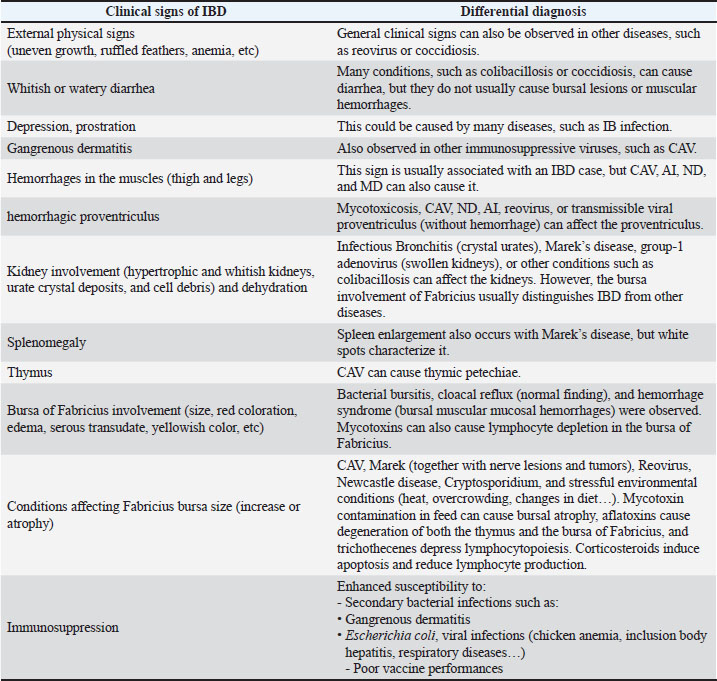
AbstractIn Saudi Arabia, infectious bursal disease (IBD), commonly known as Gumboro disease, poses a significant threat to the poultry industry. The disease suppresses the immune system of young chicks, leading to increased morbidity and mortality, reduced productivity, and increased susceptibility to secondary infections. The rapid spread of IBD in commercial poultry farms has resulted in substantial economic losses, further aggravated by the emergence of mutant and variant strains, environmental stressors, and inadequate biosecurity measures. This review aims to provide a comprehensive overview of infectious bursal disease epidemiology, clinical manifestations, diagnostic approaches, vaccination strategies, and control measures in Saudi Arabia. This study conducted a narrative review of published literature, surveillance reports, and field observations related to IBD in Saudi Arabia. Disease prevalence, circulating strains, diagnostic tools such as enzyme-linked immunosorbent assay (ELISA), polymerase chain reaction (PCR), and next-generation sequencing, and the effectiveness of existing vaccination and biosecurity strategies were emphasized. IBD has rapidly spread across commercial poultry farms in Saudi Arabia, leading to immunosuppression and significant financial losses. The presence of novel mutant and variant strains, combined with environmental stressors and suboptimal biosecurity, has intensified disease severity. Diagnostic techniques, including ELISA, PCR, and next-generation sequencing, have improved detection capabilities, although their implementation is constrained by resource limitations. Vaccination protocols have shown variable efficacy due to coinfections, improper vaccination management, and differences in farming practices. Nutritional interventions, particularly phytogenic feed additives and probiotics, can enhance vaccine efficacy and improve overall avian health. An integrated approach combining advanced diagnostic tools, robust vaccination programs, strict biosecurity measures, and supportive nutritional strategies is required to effectively control infectious bursal disease in Saudi Arabia. Future priorities should focus on continuous monitoring of emerging strains, field evaluation of vaccine performance, and development of novel vaccine platforms to ensure sustainable disease control. Keywords: Infectious bursal disease, Epidemiology, Vaccination strategies, Molecular characterization, Saudi Arabia. IntroductionCommercial poultry production is vital to the agricultural economy of the Kingdom of Saudi Arabia (KSA) because it ensures food security by providing an affordable protein source, supports economic growth and employment, and reduces dependency on imported poultry products. Infectious bursal disease (IBD), also known as Gumboro disease, is a significant concern in the poultry industry (Mosa et al., 2023). Improving food security and livelihoods for most rural communities depends on the industry’s robust performance (Birhanu et al., 2023). In particular, because IBD mostly infects young chickens (2–3 weeks old) during vulnerable growth stages when their immune systems are still under development, high disease morbidity and mortality rates are of concern (Cosgrove, 1962; Berg, 2000). A key characteristic of IBD is its strong immunosuppressive effect. The virus targets the bursa of Fabricius, impairing B lymphocyte development and weakening the immune response. Infected birds become highly susceptible to secondary infections, many of which are difficult to control and further compromise flock health and productivity. Immunosuppression also leads to reduced growth performance, poor feed efficiency, and decreased overall production efficiency (Eterradossi and Saif, 2013; Ingrao et al., 2013). In commercial poultry systems, the economic impact of IBD is considerable. Increased mortality, reduced weight gain, and higher veterinary and management costs place significant financial pressure on producers (Eterradossi and Saif, 2013). Therefore, maintaining a healthy and productive flock requires a comprehensive understanding of disease dynamics, including epidemiology, transmission patterns, and pathophysiology (Eterradossi and Saif, 2013). Effective IBD control relies heavily on the implementation of appropriate vaccination strategies and strict biosecurity measures (Lukert and Saif, 1991). With the ongoing intensification and modernization of poultry production systems, producers face increasing challenges in maintaining flock health (Eterradossi and Saif, 2013). Advances in vaccination technologies, such as immune complex vaccines, vector-based vaccines (HVT-IBD), and in ovo immunization, have provided new opportunities for early and effective disease protection (Babazadeh and Asasi, 2021). Despite these advancements, the continuous evolution of the virus and the emergence of variant and highly virulent strains necessitate ongoing research and surveillance. Understanding the effectiveness of different vaccination programs under field conditions is particularly important in regions such as Saudi Arabia, where environmental and management factors may influence disease outcomes. Therefore, this review aims to provide a comprehensive overview of the epidemiology, pathogenesis, diagnostic approaches, and current vaccination strategies of IBD in Saudi Arabia. This study also seeks to evaluate the effectiveness of existing control measures and highlight key challenges and future directions for improving disease management in the Saudi poultry industry. Overview of IBD and its significance in poultry healthIBD is a major viral disease that poses a significant threat to poultry health (Berg, 2000; Michel and Jackwood, 2017), particularly in intensive production systems where biosecurity measures may be insufficient. The IBD virus (IBDV) causes the disease, which primarily targets the bursa of Fabricius—an essential organ for the development of the immune system in young chickens. Damage to this organ results in immunosuppression, making affected birds more vulnerable to various secondary infections (Berg, 2000; Van den Berg et al., 2004). Mostly affecting young chicks, especially those between 3 and 6 weeks of age, the disease causes no manifestations (Michel and Jackwood, 2017) or high mortality rates and major financial losses for poultry farms (Zhang and Zheng, 2022; Hayajneh and Araj, 2023; Mosa et al., 2023). Clinical symptoms range from mild to severe, and acute cases can cause immunosuppression and systemic infections, thereby complicating treatment plans (Eterradossi and Saif, 2013). In Saudi Arabia, IBD remains one of the most important viral diseases affecting commercial poultry production. The high density of broiler and layer farms, combined with variations in farm management and biosecurity practices, has facilitated the persistence and spread of both classical and very virulent IBDV strains. Recurrent outbreaks across different regions have resulted in substantial economic losses due to increased mortality, reduced productivity, and compromised flock immunity. A recent outbreak study underlined the major influence of IBD in commercial poultry, stressed the need for strict biosecurity and monitoring procedures, and showed high death rates in vaccinated groups (Berg, 2000; Gewaily et al., 2023). Understanding the frequency of IBD and applying sensible immunization protocols would help minimize its effects on avian health and guarantee food security in Saudi Arabia. Description of the causative agent, including its structure and genetic makeupUnderstanding the etiological factors of IBD can help elucidate its genetic architecture. The disease is mostly caused by a virus known as IBDV, a member of the family Birnaviridae (Mahgoub, 2012). It is a non-enveloped virus with a bipartite, double-stranded RNA genome consisting of two segments, A and B. Segment A encodes VP2 (capsid), VP3, and VP4, and segment B encodes VP1 (RdRp) (Kibenge et al., 1988). IBDV has a high mutational capacity, which helps it adapt and evade host defenses, thereby enhancing its virulence (Berg, 2000; Eterradossi and Saif, 2013). Structural and genetic traits help the virus infect B lymphocytes in chickens, causing immunosuppression and increased sensitivity to secondary infections, which greatly influence poultry health (Prandini et al., 2016). Transmission routesReducing the effects of IBD on chicken health depends on understanding the transmission channels. Direct contact between infected and susceptible birds provides the virus’s main vector. The pathogen is expelled in feces and spread through fecal-oral transmission (Sharma, 2000). Furthermore, environmental contamination is a significant factor. The virus can survive in litter and water supplies, enabling indirect transmission via contaminated objects or people (Wagari, 2021). Furthermore, the importance of wild birds and other animals can be underlined since they may act as reservoirs and unwittingly spread the virus to home chicken populations (Hernandez-Divers et al., 2008; Orakpoghenor et al., 2020; Graziosi et al., 2022). Vaccine strategies can help prevent disease outbreaks and break down transmission among flocks (Camilotti et al., 2016; Prandini et al., 2016; Gewaily et al., 2023). Effective poultry production control initiatives and biosecurity schemes depend on knowledge of the modes of transmission. IBD epidemiology in Saudi ArabiaThe rapid spread of IBD and its major financial consequences affect the poultry output of Saudi Arabia. The disease is common in many chicken farms and causes immunosuppression and increased vulnerability to further infections, compromising flock health and production (Li et al., 2018; Dey et al., 2019; Legnardi et al., 2024). New genotypes, notably the G6 (ITA) genogroups, raise more questions, as studies have demonstrated their capacity to cause major and long-lasting damage to the bursa of Fabricius, thereby compromising poultry health (Franzo et al., 2024). The link between chicken adenoviruses and IBD underscores the complexity of disease interactions, as adenoviruses intensify the losses associated with IBD (Yu et al., 2018; Xu et al., 2021). The unknown epidemiology of IBD in Saudi Arabia and some other nations requires further research and examination (Müller et al., 2003). Saudi Arabian samples have revealed novel IBDV mutant forms. To the best of our knowledge, this is the first validation of these virus strains in national commercial and backyard flocks (Alkhalaf and A, 2009). Dealing with this disease and preserving the chicken industry’s sustainability in the KSA depend on strong surveillance and biosecurity policies. In a study titled ‘Molecular Characteristics of the VP2 Gene from Wild-Type IBDVs in Saudi Arabia,” we analyzed two field isolates of IBDV (IBD01/14/SA and IBD02/14/SA) obtained from broiler flocks affected by Gumboro disease. The VP2 gene of the isolates showed 97%–98.5% nucleotide identity with Canadian and U.S. vvIBDV strains. This form a distinct phylogenetic cluster In addition, several amino acid mutations, such as 254 N and 359K, were typical of highly virulent strains, with antigenic profiles closely resembling those of the IBDI+ vaccine. This implies the severity of local Saudi strains (Mohamed et al., 2017). Significant economic losses and health hazards to avian populations demonstrate the prevalence and distribution of IBD in commercial poultry farms in Saudi Arabia, thereby posing serious issues for the poultry sector (Alkhalaf and A, 2009; Dey et al., 2019). IBD outbreaks are commonly recorded in various areas, a condition usually exacerbated by high-density production techniques (Müller et al., 2003; Awad et al., 2023) that are prioritized to increase farming activities. While these systems could help suppliers and producers financially, it is important to carefully consider their ability to unintentionally encourage the rapid spread of diseases such as IBDV, which can emerge from crowded conditions and raised stress levels among birds. Recent studies have shown that vaccination campaigns, such as the Transmune IBD implementation, have improved broiler resistance, thereby safeguarding around 120 million birds (Camilotti et al., 2016; Gewaily et al., 2023). This emphasizes the crucial role of immunization in maintaining poultry health during growing risks of IBD. The adoption of preventive measures varies significantly and is influenced by factors such as management strategies, vaccination availability, and farm biosecurity system robustness. The efficacy of immunization efforts may be compromised in environments lacking or exhibiting inconsistent biosecurity regulations (Gewaily et al., 2023). Management of IBD frequency will aid in developing an effective vaccination strategy compatible with an integrated approach to enhancing biosecurity regulations and streamlining management systems across every aspect of commercial chicken production. IBD management is based on an integrated strategy that maintains avian welfare and health, thus guaranteeing the viability and profitability of the regional poultry industry. Clinical manifestations and impact on poultry productionIBD clinical manifestations have a substantial impact on poultry production, particularly in the commercial sectors of the KSA. Mostly affecting the bursa of Fabricius, the vital organ for immune response development in young birds, this disease is mostly defined by significant immunosuppression (Kim et al., 2000; Toro et al., 2009). Flocks affected by IBD are thus more vulnerable to secondary infections, which can cause a variety of health problems that significantly reduce overall growth performance and productivity (McFerran, 1993). Infected chicks may show lethargy, ruffled plumage, and significant respiratory distress along with clear postmortem findings, including enlarged bursae containing lymphoid tissue and hemorrhage in the bursa of Fabricius and adjacent organs (Van den Berg et al., 2004; Nasser et al., 2024). IBD-infected birds exhibited dehydration, soiled vents, and gross lesions, including hemorrhages in skeletal muscles, swollen and edematous cloacal bursa with caseous exudate (Agnihotri et al., 2022), and mottled kidneys and spleen. Histopathology revealed severe lymphoid depletion in bursal follicles, inter-fiber muscle hemorrhages, splenic vacuolation, and mild hepatic degeneration, reflecting the systemic and immunosuppressive effects of the virus (Agnihotri et al., 2023). Subclinical IBD, which is frequently observed in the presence of maternal antibodies or less virulent strains, produces no obvious external signs but leads to bursal atrophy, lymphoid depletion, and long-term immunosuppression. Affected flocks exhibit uneven growth, reduced feed efficiency, and poor vaccine responses, and are more susceptible to secondary infections. Although mortality is low, the hidden economic losses from subclinical IBD are often greater than those from acute outbreaks (Eterradossi and Saif, 2013; Dey et al., 2019). These clinical signs indicate the severity of the illness and call for careful study of the long-term effects of IBD on affected avian populations. The effects of IBD go beyond the obvious medical concerns experienced by individual birds. The financial effects on the poultry sector can be significant and varied (Arega, 2018). Outbreaks can wipe out entire flocks, causing severe financial damage to farmers and producers (Dey et al., 2019). Examining the consequences of this scenario is crucial, as costly interventions may include veterinary treatments, immunizations, and other measures to reduce farmers’ financial burden. Economic implications include higher treatment costs, reduced productivity, and the need to cull ill birds to prevent disease transmission. The differential diagnosis of IBD is difficult because it shares clinical and pathological characteristics with other poultry diseases. For instance, Newcastle disease and avian influenza can cause bleeding in the muscles and proventriculus, and bursal atrophy can resemble Marek’s disease, chicken infectious anemia virus (CAV), or mycotoxicosis. A defining feature of IBD is the specific involvement of the bursa of Fabricius, which frequently shows edema, hemorrhage, or atrophy, depending on the disease stage. Laboratory validation using histology, ELISA, or PCR is necessary to distinguish IBD from other immunosuppressive or gastrointestinal disorders (Lukert and Saif, 1991; Eterradossi and Saif, 2013) (Table 1). Table 1. Comparative analysis of differential diagnosis and clinical signs of IBD.
Special immunization campaigns with Transmune IBD and strict biosecurity will enhance bird health and production efficiency in disease-prone areas. These methods are not only for controlling the spread of the disease but also for maintaining the chicken business’s integrity and viability. Improving biosecurity policies and supporting educational initiatives on IBD management would help stakeholders build a stronger poultry sector. Therefore, understanding the clinical consequences of IBD is essential for all poultry industry professionals. Maximizing production methods and ensuring a viable, profitable agricultural sector is necessary during ongoing disease challenges. The sector can build its defenses against future outbreaks by prioritizing research, education, and the implementation of effective management techniques for IBD, resulting in healthier birds, lower financial risks, and better economic opportunities for producers across the sector. Funding these initiatives and encouraging industry cooperation will enable a strong response to both current and new challenges in poultry health and output. Diagnostic methods for IBDClinical signs, postmortem examination of the bursa of Fabricius, serological assays, cell culture, and molecular methods can all be used to diagnose IBD. Although chickens over 3 weeks of age exhibit clear indications of the disease, chickens under 3 weeks of age usually do not display clinical symptoms (Kegne and Chanie, 2014). The differential diagnosis of IBD includes avian coccidiosis, Newcastle disease, and infectious bronchitis (Lukert, 1992). Bursal lesions are a key indicator of the virus in all acute cases. Distinguishing bursal atrophy from Marek’s disease or other forms of infectious anemia in preclinical settings can be challenging. In these situations, the exact differences depend on the histological study of the bursa of Fabricius (Mekuriaw et al., 2017). Managing the effects of IBD on poultry health in Saudi Arabia requires an appropriate diagnosis. Traditional methods such as tissue analysis and necropsy reveal distinctive problems, including lymphocyte depletion and tissue necrosis, in the bursa of Fabricius. Nevertheless, these methods may lack accuracy and require additional validation because they yield results that can resemble those of other diseases (Zanaty et al., 2022). Other methods, such as polymerase chain reaction (PCR) and other molecular techniques, have become fast, sensitive, and precise means for identifying IBDV at the genetic level, enabling quick responses during epidemics (Jackwood and Sommer, 2005; Ching Wu et al., 2007). Moreover, immunological methods such as enzyme-linked immunosorbent assays (ELISA) help to measure viral antibodies, thereby supporting the evaluation of vaccination efficacy and herd immunity (Lukert and Saif, 1991; Berg, 2000; Jackwood, 2004). Combining these approaches produces a complete monitoring system that enhances the accuracy of IBD diagnosis, supporting biosecurity and management in the poultry industry. Comparative analysis of conventional and new diagnostic methods in Saudi ArabiaThe ongoing fight against IBD in Saudi Arabia highlights the ongoing development and persistent challenges in veterinary diagnostic methods using both conventional and modern approaches. Conventional techniques provide quick initial evaluations but lack the accuracy required for a definitive diagnosis, depending on clinical symptoms and necropsy findings (Jackwood, 2004; Kegne and Chanie, 2014). Therefore, combining conventional postmortem observations with molecular assays, such as polymerase chain reaction (PCR), or serological tests, such as enzyme-linked immunosorbent assay (ELISA), greatly enhances diagnostic accuracy and enables rapid intervention during outbreaks. Serological techniques detect specific antibodies, whereas PCR amplifies viral genetic material, producing data critical for prompt action (Jackwood and Sommer-Wagner, 2007). Despite the advantages of contemporary tactics, conventional methods remain vital in resource-limited places where access to advanced technology is problematic. Finally, combining the 2 technologies may enhance disease control and diagnostic precision in the poultry industry of Saudi Arabia. Vaccination strategies in Saudi ArabiaSaudi Arabia’s immunization programs to control bird diseases, especially IBD, reflect a complicated response to ongoing problems in the poultry industry. The emergence of novel recombinant viruses driven by natural selection complicates the vaccination landscape (Jackwood and Sommer, 2002). Improving vaccination procedures through consistent monitoring and adaptation to changing pathogens will help the Saudi poultry sector ensure sustainable chicken health and economic stability by maintaining immunological stability. Several studies have been conducted in Saudi Arabia to evaluate the vaccination efficacy against IBD. Alkhalaf (2009) reported the detection of variant strains in broiler flocks, highlighting the need for updated vaccination programs. More recently, Awad et al. (2023) investigated vaccination regimens across commercial farms and found variable protection levels depending on the type of vaccine and farm management. In collaboration with Saudi researchers, Gewaily et al. (2023) clarified the potential of recombinant vaccination strategies to enhance immune responses and protection. Types of vaccines and their efficacy in preventing IBDVaccination techniques for IBD have significantly evolved, particularly in countries such as Saudi Arabia, where poultry production is critical (Alkhalaf, 2009). Different vaccines are applied against IBD. Live attenuated vaccines (mild, intermediate, and intermediate plus) induce strong immunity but may cause bursal damage (Kajal et al., 2023). Inactivated vaccines are mainly used in layers or breeders to provide maternal antibodies to chicks (Dey et al., 2019). Transmune IBD allows early hatchery administration and overcomes maternal antibody interference (Camilotti et al., 2016). Vector vaccines (HVT-IBD) safely deliver the VP2 gene in ovo or at day-old, providing long-lasting protection without bursal lesions (Prandini et al., 2016). Recent recombinant and subunit vaccines are also being developed to broaden protection (Abdelaziz et al., 2024). Recent studies have highlighted the mechanisms of action of different IBD vaccines used in commercial poultry. Immune complex vaccines, such as Transmune IBD (Winterfield 2512 strain), function by combining live virus with specific antibodies, which protect the vaccine virus from early neutralization by maternal antibodies and ensure gradual release to support early and long-lasting immunity (Gewaily et al., 2023). Vector vaccines, such as HVT-IBD, employ turkey herpesvirus as a vector carrying the VP2 gene of IBDV. Once administered in ovo or at day-old, the vector replicates without damaging the bursa of Fabricius and induces lifelong protective immunity (Gewaily et al., 2023). Novel recombinant and subunit vaccines are being developed using biotechnology platforms to improve antigen stability, safety, and cross-protection against emerging variant strains (Abdelaziz et al., 2024). Preventing outbreaks and boosting the immune response in chickens are needed to address the increased biosecurity requirements on chicken farms and safeguard producers’ interests. Vaccine implementation: difficulties and restrictionsImplementation of IBD vaccines in Saudi Arabia raises several problems that undermine their effectiveness. The complex epidemiology of avian illnesses, in which coinfections and environmental variables reduce vaccine efficacy, is one major restriction (Müller et al., 2012; Mutinda et al., 2014). Avian pathogenic Escherichia coli (E. coli) seriously compromises the health of chickens by stressing the immune system, thereby compromising the immunisations against IBD (Wang et al., 2007; Fernandes Filho et al., 2013). Accordingly, inappropriate biosecurity policies in chicken farms help spread diseases, reducing the value of immunisation. Guidelines for evaluating vaccine acceptance and efficacy in poultry farmsNumerous variables, including the uptake and effectiveness of the IBD vaccine, play a major role in poultry farm vaccination coverage, especially across Saudi Arabia. The most influential variables are biosecurity practices, farm practices, and the physical environment, all of which determine disease occurrence and vaccine effectiveness. Vaccine efficacy can be reduced by improper storage and high ambient temperatures, especially in relation to pathogens like E. coli, which complicate immunization campaigns and lower the efficacy of current vaccinations, thereby posing further difficulties (Fernandes Filho et al., 2013). Nutritional interventions can play a crucial role in improving the immune responses of chickens before vaccination. Phytogenic feed additives (PFAs) derived from herbs, spices, and plant extracts enhance gut health, immunity, and feed conversion efficiency. Engida et al. (2023) demonstrated that dietary supplementation with PFAs improved broiler feed conversion ratios and boosted immune responses to the IBD vaccine. Moreover, the use of probiotics, such as Saccharomyces cerevisiae, has been shown to increase immune response and growth performance, even under viral challenges in poultry, which would help improve vaccine efficacy (Thomke and Elwinger, 1998; Karaoglu and Durdag, 2005). Maximizing vaccine acceptance and efficacy in poultry production requires a comprehensive strategy that includes management, environmental control, and dietary guidelines. ConclusionIBD remains a significant threat to the poultry industry in Saudi Arabia, affecting the health and productivity of flocks. This review highlights the disease’s epidemiology, clinical impact, and control strategies, including conventional and advanced diagnostics and diverse vaccination approaches, such as immune complex and vector vaccines. Future research should focus on evaluating vaccine efficacy against local strains, enhancing vaccine performance through nutrition and management, strengthening molecular surveillance, and exploring innovative platforms for sustainable control, such as nanoparticle- and mRNA-based vaccines. AcknowledgmentThe author would like to thank the Deanship of Scientific Research, Vice Presidency for Graduate Studies and Scientific Research, King Faisal University, Al Ahsa, Saudi Arabia, for its support. FundingNone. Author's contributionThe idea was created by Mohammed Al-Rasheed, who also performed the work, including review, strategic contemplation, and writing development. Mohammed Al-Rasheed also contributed to the writing, editing, and final draft of the manuscript. Conflict of interestThe author declares no conflicts of interest. Data availabilityAll data were provided in the review article. ReferencesAbdelaziz, K., Helmy, Y.A., Yitbarek, A., Hodgins, D.C., Sharafeldin, T.A. and Selim, M.S.H. 2024. Advances in poultry vaccines: leveraging biotechnology for improving vaccine development, stability, and delivery. Vaccines 12(2), 134. Agnihotri, A.A., Awandkar, S.P., Kulkarni, M.B., Chavhan, S.G., Kulkarni, R.C. and Chavan, V.G. 2022. Molecular phylodynamics of infectious bursal disease viruses. Virus. Genes. 58(4), 350–360. Agnihotri, A.A., Awandkar, S.P., Kulkarni, R.C., Chavhan, S.G., Suryawanshi, R.D., Mohan, A., Kulkarni, M.B. and Chavan, V.G. 2023. Isolation and molecular characterization of infectious bursal disease virus circulating in western and central India. Iran. J. Vet. Res. 24(4), 345. Alkhalaf, A. 2009. Detection of variant strains of infectious bursal disease virus in broiler flocks in Saudi Arabia using antigen capture enzyme-linked immunosorbent assay. Pak. Vet. J. 29(4), 161–164. Arega, A.M. 2018. Review of infectious bursal disease: a threat to the Ethiopian poultry industry. Int. J. Appl. Life Sci. 11, 52–65. Awad, N., Morsi, H., Al-baqir, A. and Eid, A.A. 2023. Epidemiological occurrence of the infectious bursal disease virus in chicken flocks receiving various vaccination regimens. Zagazig Vet. J. 51(3), 239–262. Babazadeh, D. and Asasi, K. 2021. Effects of in ovo synbiotic injection on growth performance, intestinal bacterial load and antibody titres in broiler chickens vaccinated against infectious bursal disease. Bulg. J. Vet. Med. 24, 520–532. Berg, T.P.V.D. 2000. Acute infectious bursal disease in poultry: a review. Avian Pathol. 29(3), 175–194. Birhanu, M.Y., Osei-Amponsah, R., Yeboah Obese, F. and Dessie, T. 2023. Smallholder poultry production in the context of increasing global food prices: roles in poverty reduction and food security. Anim. Front. 13(1), 17–25. Camilotti, E., Moraes, L., Furian, T., Borges, K., Moraes, H. and Salle, C. 2016. Infectious bursal disease: pathogenicity and immunogenicity of vaccines. Rev. Bras. Cienc. Avic. 18(2), 303–308. Ching Wu, C., Rubinelli, P. and Long Lin, T. 2007. Molecular detection and differentiation of infectious bursal disease virus. Avian Dis. 51(2), 515–526. Cosgrove, A.S. 1962. An apparently new disease of chickens: avian nephrosis. Avian. Dis. 6(3), 385–389. Dey, S., Pathak, D.C., Ramamurthy, N., Maity, H.K. and Chellappa, M.M. 2019. Infectious bursal disease virus in chickens: prevalence, impact, and management strategies. Vet. Med. (Auckl). 10, 85–97. Engida D, T., Tamir, B., Ayele, M., Waktole, H., Wakjira, B., Regassa, F., Regassa, F. and Beyene Tufa, T. 2023. Effects of dietary supplementation of phytogenic feed additives on broiler feed conversion efficiency and immune response against infectious bursal disease vaccine. J. World Poult. Res. 13(2), 180–190. Eterradossi, N. and Saif, Y.M. 2013. Infectious bursal disease.In Diseases of poultry. Swayne, D.E Fernandes Filho, T., Fávaro, C. Jr., Ingberman, M., Beirão, B.C., Inoue, A., Gomes, L. and Caron, L.F. 2013. Effect of spray Escherichia coli vaccine on the immunity of poultry. Avian Dis. 57(3), 671–676. Filho, T.F., Fávaro, C., Ingberman, M., Beirão, B.C.B., Inoue, A., Gomes, L. and Caron, L.F. 2013. Effect of spray Escherichia coli vaccine on the immunity of poultry. Avian Dis. 57(3), 671–676. Franzo, G., Dotto, G., Lupini, C., Legnardi, M., Tucciarone, C.M., Poletto, F., Catelli, E., Graziosi, G., Cecchinato, M. and Pasotto, D. 2024. Exploring variability: inflammation mediator levels across tissues and time in poultry experimentally infected by the G1a and G6 genogroups of infectious bursal disease virus (IBDV). Animals (Basel). 14(11), 14. Gewaily, M.S., El-Khyat, F., Tahoon, A.E., Al-Rasheed, M., Abdo, S.E., Gado, A., Elmasry, M. and Ismail, M.M. 2023. Cytokines, serological, and histopathological assessment of recombinant vaccination strategies for combatting infectious bursal disease in broiler chickens. Vaccines (Basel). 12(1), 27. Graziosi, G., Catelli, E., Fanelli, A. and Lupini, C. 2022. Infectious bursal disease virus in free-living wild birds: a systematic review and meta-analysis of its sero-viroprevalence on a global scale. Transbound. Emerg. Dis. 69(5), 2800–2815. Hayajneh, F. and Araj, S. 2023. Infectious bursal disease (Gumboro) in backyard chicken in Jordan. Int. J. Vet. Sci. 12, 810–814. Hernandez-Divers, S.M., Villegas, P., Jimenez, C., Hernandez-Divers, S.J., Garcia, M., Riblet, S.M., Carroll, C.R., O'Connor, B.M., Webb, J.L., Yabsley, M.J., Williams, S.M. and Sanchez, S. 2008. Backyard chicken flocks pose a disease risk for neotropic birds in Costa Rica. Avian Dis. 52(4), 558–566. Ingrao, F., Rauw, F., Lambrecht, B. and Van Den Berg, T. 2013. Infectious bursal disease: a complex host–pathogen interaction. Dev. Comp. Immunol. 41(3), 429–438. Jackwood, D.J. 2004. Recent trends in the molecular diagnosis of infectious bursal disease viruses. Anim. Health. Res. Rev. 5(2), 313–316. Jackwood, D.J. and Sommer, S.E. 2002. Virulent vaccine strains of infectious bursal disease virus not distinguishable from wild-type viruses with the use of a molecular marker. Avian Dis. 46(4), 1030–1032. Jackwood, D.J. and Sommer, S.E. 2005. Molecular studies on suspect very virulent infectious bursal disease virus genomic RNA samples. Avian Dis. 49(2), 246–251. Jackwood, D.J. and Sommer-Wagner, S. 2007. Genetic characteristics of infectious bursal disease viruses from four continents. Virology 365(2), 369–375. Kajal, S., Narang, G., Jangir, B.L., Kundu, P., Lather, D. and Chhabra, R. 2023. Studies on immunopathological changes induced by commercial IBD live vaccines in poultry birds. Scientific Rep. 13(1), 12379. Karaoglu, M. and Durdag, H. 2005. The influence of dietary probiotic (Saccharomyces cerevisiae) supplementation and different slaughter ages on the performance, slaughter, and carcass properties of broilers. Int. J. Poult. Sci. 4(5), 309–316. Kegne, T. and Chanie, M. 2014. Review on the incidence and pathology of infectious bursal disease. Br. J. Poult. Sci. 3, 68–77. Kibenge, F.S.B., Dhillon, A.S. and Russell, R.G. 1988. Biochemistry and immunology of infectious bursal disease virus. J. Gen. Virol. 69(8), 1757–1775. Kim, I.J., You, S.K., Kim, H., Yeh, H.Y. and Sharma, J.M. 2000. Characteristics of bursal T lymphocytes induced by infectious bursal disease virus. J. Virol. 74(19), 8884–8892. Legnardi, M., Poletto, F., Alam, S., Cherfane, A., Le-Tallec, B., Franzo, G., Tucciarone, C.M., Lupini, C., Pasotto, D. and Cecchinato, M. 2024. Molecular epidemiology of infectious bursal disease virus in the Near East and Persian Gulf regions. Avian Pathol. 53(1), 56–67. Li, L., Kubasová, T., Rychlik, I., Hoerr, F.J. and Rautenschlein, S. 2018. Infectious bursal disease virus infection leads to changes in the gut-associated lymphoid tissue and the microbiota composition. PLos One. 13(2), 192066. Lukert, P.D. 1992. A history of an IBD vaccine. Select Laboratories Interlink 1, 2–4. Lukert, P.D. and Saif, Y.M. 1991. Infectious bursal disease. In: Diseases of Poultry. 9th ed. Eds., Calnek, B.W., Barnes, H.J., Beard, C.W., Reid, W.M. and Yoder, H.W. Ames, IA: Iowa State University Press, pp: 648–663 Mahgoub. 2012. An overview of infectious bursal disease. Arch. Virol. 157, 2047–2057. McFerran, J.B. 1993. Infectious bursal disease. In: Virus infections of birds. Eds., McFerran, J.B. and McNulty, M.S. Elsevier Science Publishers B.V., pp: 213–228. Mekuriaw, A., Bitew, M., Gelaye, E., Mamo, B. and Ayelet, G. 2017. Infectious bursal disease: outbreak investigation, molecular characterization, and vaccine immunogenicity trial in Ethiopia. Trop. Anim. Health Prod. 49, 1295–1302. Michel, L.O. and Jackwood, D.J. 2017. Classification of infectious bursal disease virus into genogroups. Arch. Virol. 162(12), 3661–3670. Mohamed, M.H.A., Ismail, M.M., El-Sabagh, I.M. and Al-Ankari, A.R.S. 2017. Molecular characteristics of VP2 gene from wild-type infectious bursal disease viruses (IBDVs) in Saudi Arabia. Thai J. Vet. Med. 47(1), 45–52. Mosa, M., Salem, H., Bastamy, M. and Amer, M. 2023. Pathogenic and non-pathogenic factors, especially infectious bursal disease viruses, affect chicken digestive system microbiota and methods of its evaluation and recovery: a review. Egypt. J. Vet. Sci. 54(4), 733–760. Müller, H., Islam, M.R. and Raue, R. 2003. Research on infectious bursal disease—the past, the present and the future. Vet. Microbiol. 97(1–2), 153–165. Müller, H., Mundt, E., Eterradossi, N. and Islam, M.R. 2012. Current status of vaccines against infectious bursal disease. Avian Pathol. 41(2), 133–139. Mutinda, W.U., Nyaga, P.N., Mbuthia, P.G., Bebora, L.C. and Muchemi, G. 2014. Risk factors associated with infectious bursal disease vaccination failures in broiler farms in Kenya. Trop. Anim. Health. Prod. 46, 603–608. Nasser, A.T., Al-Azzawi, A., Al-Agele, R. and Al-Ajeeli, K. 2024. Identification of extremely virulent infectious bursal disease virus via molecular and histological methods in broiler chickens. J. World Poult. Res. 14(1), 98–112. Orakpoghenor, O., Oladele, S.B. and Abdu, P.A. 2020. Research note: detection of infectious bursal disease virus antibodies in free-living wild birds in Zaria, Nigeria. Poult. Sci. 99(4), 1975–1977. Prandini, F., Simon, B., Jung, A., Pöppel, M., Lemiere, S. and Rautenschlein, S. 2016. Comparison of infectious bursal disease live vaccines and a HVT-IBD vector vaccine and their effects on the immune system of commercial layer pullets. Avian Pathol. 45(1), 114–125. Rahman, M.T., Sobur, M.A., Islam, M.S., Ievy, S., Hossain, M.J., El Zowalaty, M.E., Rahman, A.T. and Ashour, H.M. 2020. Zoonotic diseases: etiology, impact, and control. Microorganisms 8(9), 9. Sharma, J. 2000. Infectious bursal disease virus of chickens: pathogenesis and immunosuppression. Dev. Comp. Immunol. 24(2–3), 223–235. Thomke, S. and Elwinger, K. 1998. Growth promotants in feeding pigs and poultry. III. Alternatives to antibiotic growth promotants. Ann. Zootech. 47, 245–271. Toro, H., Van Santen, V.L., Hoerr, F.J. and Breedlove, C. 2009. Effects of chicken anemia virus and infectious bursal disease virus in commercial chickens. Avian Dis. 53(1), 94–102. Van Den Berg, T.P., Morales, D., Eterradossi, N., Rivallan, G., Toquin, D., Raue, R., Zierenberg, K., Zhang, M.F., Zhu, Y.P., Wang, C.Q., Zheng, H.J., Wang, X., Chen, G.C., Lim, B.L. and Müller, H. 2004. Assessment of genetic, antigenic and pathotypic criteria for the characterization of IBDV strains. Avian. Pathol. 33(5), 470–476. Wagari. and A. 2021. A review on infectious bursal disease in poultry. Health Econ. Outcomes Res. Open Access 7(2), 167. Wang, Y.S., Fan, H.J., Li, Y., Shi, Z.L., Pan, Y. and Lu, C.P. 2007. Development of a multi-mimotope peptide as a vaccine immunogen for infectious bursal disease virus. Vaccine 25(22), 4447–4455. Xu, A.H., Sun, L., Tu, K.H., Teng, Q.Y., Xue, J. and Zhang, G.Z. 2021. Experimental co-infection of variant infectious bursal disease virus and fowl adenovirus serotype 4 increases mortality and reduces immune response in chickens. Vet. Res. 52(1), 61. Yu, G., Wang, Y., Zhang, M., Lin, Y., Tang, Y. and Diao, Y. 2018. Pathogenic, phylogenetic, and serological analysis of group I fowl adenovirus serotype 4 SDSX isolated from Shandong, China. Front. Microbiol. 9, 2772. Zanaty, A., Mossad, Z., Said, M., Samy, M., Rabie, N., Amer, F. and Soliman, M.A. 2022. Genetic characterization of co-circulated classic and very virulent infectious bursal disease viruses in commercial broiler flocks of Egypt. J. World. Poult. Res. 12, 124–132. Zhang, S. and Zheng, S. 2022. Host combats IBDV infection at both protein and RNA levels. Viruses 14(10), 2309. | ||
| How to Cite this Article |
| Pubmed Style Mohammed Al-Rasheed. Infectious bursal disease in commercial poultry in Saudi Arabia: Epidemiology, molecular characterization, and integrated control strategies. Open Vet. J.. 2026; 16(6): 3704-3712. doi:10.5455/OVJ.2026.v16.i6.42 Web Style Mohammed Al-Rasheed. Infectious bursal disease in commercial poultry in Saudi Arabia: Epidemiology, molecular characterization, and integrated control strategies. https://www.openveterinaryjournal.com/?mno=309186 [Access: June 26, 2026]. doi:10.5455/OVJ.2026.v16.i6.42 AMA (American Medical Association) Style Mohammed Al-Rasheed. Infectious bursal disease in commercial poultry in Saudi Arabia: Epidemiology, molecular characterization, and integrated control strategies. Open Vet. J.. 2026; 16(6): 3704-3712. doi:10.5455/OVJ.2026.v16.i6.42 Vancouver/ICMJE Style Mohammed Al-Rasheed. Infectious bursal disease in commercial poultry in Saudi Arabia: Epidemiology, molecular characterization, and integrated control strategies. Open Vet. J.. (2026), [cited June 26, 2026]; 16(6): 3704-3712. doi:10.5455/OVJ.2026.v16.i6.42 Harvard Style Mohammed Al-Rasheed (2026) Infectious bursal disease in commercial poultry in Saudi Arabia: Epidemiology, molecular characterization, and integrated control strategies. Open Vet. J., 16 (6), 3704-3712. doi:10.5455/OVJ.2026.v16.i6.42 Turabian Style Mohammed Al-Rasheed. 2026. Infectious bursal disease in commercial poultry in Saudi Arabia: Epidemiology, molecular characterization, and integrated control strategies. Open Veterinary Journal, 16 (6), 3704-3712. doi:10.5455/OVJ.2026.v16.i6.42 Chicago Style Mohammed Al-Rasheed. "Infectious bursal disease in commercial poultry in Saudi Arabia: Epidemiology, molecular characterization, and integrated control strategies." Open Veterinary Journal 16 (2026), 3704-3712. doi:10.5455/OVJ.2026.v16.i6.42 MLA (The Modern Language Association) Style Mohammed Al-Rasheed. "Infectious bursal disease in commercial poultry in Saudi Arabia: Epidemiology, molecular characterization, and integrated control strategies." Open Veterinary Journal 16.6 (2026), 3704-3712. Print. doi:10.5455/OVJ.2026.v16.i6.42 APA (American Psychological Association) Style Mohammed Al-Rasheed (2026) Infectious bursal disease in commercial poultry in Saudi Arabia: Epidemiology, molecular characterization, and integrated control strategies. Open Veterinary Journal, 16 (6), 3704-3712. doi:10.5455/OVJ.2026.v16.i6.42 |


