





| Review Article | ||
Open Vet. J.. 2026; 16(6): 3843-3860 Open Veterinary Journal, (2026), Vol. 16(6): 3843-3860 Review Article Porcine reproductive and respiratory syndrome virus in Africa: Current knowledge, surveillance gaps, and future research needsJulius Luvanga1,2* and Isaac Kashoma21Department of Molecular Biology and Biotechnology, Pan African University Institute for Basic Sciences, Technology and Innovation (PAUSTI), Nairobi, Kenya 2Department of Veterinary Surgery and Theriogenology, College of Veterinary Medicine and Biomedical Sciences, Sokoine University of Agriculture (SUA), Morogoro, Tanzania *Corresponding Author: Julius Luvanga. Department of Molecular Biology and Biotechnology, Pan African University Institute for Basic Sciences, Technology and Innovation (PAUSTI), Nairobi, Kenya. Email: juliusluvanga [at] sua.ac.tz Submitted: 15/02/2026 Revised: 05/05/2026 Accepted: 20/05/2026 Published: 20/06/2026 © 2025 Open Veterinary Journal
AbstractPorcine reproductive and respiratory syndrome virus (PRRSV) is one of the most economically important swine pathogens globally; however, its occurrence, epidemiology, strain diversity, and control status in Africa remain poorly defined. This narrative review summarizes the current evidence for the occurrence of PRRSV in Africa, highlights major surveillance and research gaps, and proposes priorities to strengthen detection and control in African pig production systems. Available published data indicate that PRRSV evidence is concentrated in a small number of countries: South Africa has reported outbreaks linked to both PRRSV-2 in 2004 and PRRSV-1 in 2007, Uganda has documented serological exposure and molecular detection of both PRRSV species, with PRRSV-1 dominating in slaughter pigs, Namibia has confirmed PRRSV-1 circulation in rural backyard farms, while Nigeria and Kenya have reported serological evidence of exposure. Smallholder-dominated production, low biosecurity uptake, and frequent animal movement through informal trade networks are recurring features that could facilitate the introduction and spread of the virus. However, in Africa, major geographic blind spots, limited diagnostic capacity, sparse genomic data, and the lack of economic burden estimates hinder risk assessment and policy prioritization. Expanding geographically representative surveillance, strengthening laboratory capacity, scaling sequencing and bioinformatics capacity, and integrating economic impact studies are essential steps to inform vaccine suitability, guide targeted interventions, and support sustainable growth of the African pig sector. Keywords: Africa, Pig, Porcine reproductive and respiratory syndrome virus, PRRS, PRRSV. IntroductionPig production is increasingly becoming an essential contributor to people’s livelihoods, food security, and economic development in most African developing countries (FAO, 2012; Adesehinwa et al., 2024). In Africa, pig farming plays a predominantly important socioeconomic role, supporting income generation, nutrition, poverty alleviation, and employment, especially among women and youth (Roesel, 2019; Adesehinwa et al., 2024). Approximately 5% of the global pig population is raised on the continent, with production dominated by small-scale farming systems that are usually characterized by low inputs and poor biosecurity (FAO, 2012; Ali, 2024; Adesehinwa et al., 2024). Such production systems are vital for community subsistence and welfare, yet they are also highly prone to infectious diseases capable of undermining productivity and sustainability (Penrith et al., 2022). Porcine reproductive and respiratory syndrome (PRRS) is one of the most important infectious diseases affecting pigs globally (Lusk, 2025). PRRS is a viral disease of pigs caused by the PRRSV, which is an enveloped positive-sense single-stranded RNA virus belonging to the genus Betaarterivirus within the family Arteriviridae (Walker et al., 2021). The virus is categorized into two genetically different species, PRRSV-1 and PRRSV-2, which are historically related to the European and North American lineages, respectively (Wensvoort et al., 1992; Nelson et al., 1993). The viral genome ranges between 14.9 and 15.5 kb and encodes multiple open reading frames (ORFs) responsible for viral replication and structural protein production (Snijder et al., 2013; Gagnon et al., 2021). For the first time on the continent, PRRSV was confirmed in the Western Cape, South Africa, in June 2004. The probable source of infection was suspected to be uncooked swill, which was fed to pigs from the Cape Town harbor or the Cape Town International Airport (Oosthuizen, 2005). Later, the disease was reported in Nigeria, Uganda, Namibia, and Kenya (Aiki-Raji et al., 2018; Oba et al., 2022; Molini et al., 2024; Luvanga et al., 2025). Clinically, the disease usually affects the reproductive and respiratory systems of pigs, leading to reproductive failures in breeding sows (abortions, stillbirths, and mummified fetuses) and respiratory disease in piglets and fattening pigs, which often lead to growth retardation, increased mortality, and increased susceptibility to secondary infections due to immune suppression (Cho and Dee, 2006; Montaner-Tarbes et al., 2019). PRRS has become one of the most economically devastating swine diseases since its emergence in the late 1980s, with significant productivity losses reported worldwide and estimated annual economic impacts exceeding US$664 million in the United States of America (Holtkamp et al., 2012). Despite the known impacts of porcine reproductive and respiratory syndrome virus (PRRSV), knowledge of its occurrence, distribution, and diversity across Africa remains fragmented. Although evidence of viral exposure and circulation has been reported in a limited number of countries, comprehensive surveillance is lacking in many pig-producing regions. For example, serological studies revealed exposure among pigs in parts of West Africa, Uganda, and Kenya, with reported prevalence estimates suggesting measurable but uneven circulation across study locations (Aiki-Raji et al., 2018; Oba et al., 2020; Luvanga et al., 2025). However, the lack of molecular characterization in many regions limits the insight into circulating viral genotypes and evolutionary relationships, hampering accurate interpretation of epidemiological trends and transboundary risk assessment. Current molecular investigations have begun to provide insight into the current situation. A study in Uganda documented the circulation of both PRRSV-1 and PRRSV-2, with genotype 1 predominating in slaughtered pigs (Oba et al., 2022). In Namibia, molecular detection and sequencing confirmed the presence of PRRSV-1 strains likely introduced from Europe and independently evolving within local production systems (Molini et al., 2024). However, the general epidemiological picture remains largely unknown, and extensive genomic surveillance and monitoring across the continent are lacking. Most African pig production systems are dominated by smallholder operations characterized by limited biosecurity, frequent animal movement, and informal trade networks, which enable pathogen transmission (Dione et al., 2018; Adesehinwa et al., 2024; Simbizi et al., 2025; Luvanga et al., 2025). Modeling work conducted in East Africa demonstrates that a PRRS outbreak could spread to a significant number of farms within a relatively short time period under prevailing biosecurity conditions, stressing systemic vulnerability (Hasahya et al., 2021; Niwandinda et al., 2025). Similarly, studies show low adoption of confinement and disinfection practices in smallholder systems, conditions predicted to allow rapid farm-to-farm dissemination of PRRSV if introduced (Luvanga et al., 2025; Niwandinda et al., 2025). The practiced systems reflect global risk factors associated with PRRSV persistence, including high pig density, fomites, and frequent animal introduction (Velasova et al., 2012). Outside the current epidemiological knowledge gap, significant knowledge gaps remain regarding genetic diversity, lineage distribution, and surveillance capacity across the continent. PRRSV shows extensive genetic variability, with two major species sharing approximately 60% nucleotide identity and multiple lineages identified through molecular classification frameworks (Snijder et al., 2013). Such diversity has direct implications for diagnostics, vaccine compatibility, and disease control, particularly given the virus’s mutation and recombination capacity (Snijder et al., 2013). However, the scarcity of genomic data from Africa compared with other regions of the world continues to impede efforts to situate regional strains within global evolutionary perspectives. In this context, integrating existing evidence on PRRSV in Africa is essential for clarifying the current knowledge, identifying surveillance gaps, and defining research priorities necessary to enhance disease oversight and management. Therefore, this review examines the existing literature on the occurrence, epidemiology, diagnosis, and control of PRRSV within African pig production systems to highlight knowledge gaps and guide future research and surveillance strategies across the continent. Figure 1 presents a conceptual overview of PRRSV occurrence, epidemiology, and knowledge gaps.
Fig. 1. Conceptual framework of PRRSV occurrence, transmission, and knowledge gaps in the African pig production system. Created at https://BioRender.com Literature search strategyThis narrative review synthesizes published literature related to PRRSV in Africa, with emphasis on its occurrence, epidemiology, diagnostics, and control. We identified relevant publications through structured searches of major scientific databases, including Web of Science, Scopus, PubMed, and Google Scholar, supplemented by Google searches to capture gray literature. The search covered studies published between 1992 and 2025, corresponding to the period following the first description of PRRSV and subsequent global research expansion. Searches were performed using combinations of keywords, including “PRRSV,” “porcine reproductive and respiratory syndrome virus,” “Africa,” “pig,” “swine,” “epidemiology,” “prevalence,” “serology,” “Enzyme-linked immunosorbent assays (ELISA),” “PCR,” “molecular detection,” “genetic characterization,” “diagnosis,” “transmission,” “biosecurity,” and “control.” Priority was given to peer-reviewed studies conducted in African settings, while relevant global literature was included to provide contextual understanding of virology, diagnostic approaches, epidemiological principles, and control strategies applicable to African pig production systems. Studies were eligible for inclusion if they addressed PRRSV occurrence, epidemiology, diagnostics, molecular characterization, immune response, or control, particularly in African contexts or in settings providing relevant comparative insights. Only articles published in English and available as full texts were considered. Studies that were not directly or indirectly related to PRRSV, lacked sufficient methodological detail, or represented duplicate publications were excluded. Titles and abstracts were screened for relevance, followed by full-text assessment of eligible studies. As this study was conducted as a narrative review, selection was primarily guided by relevance to the objectives of the review while applying broad eligibility criteria to improve transparency and consistency in the identification of relevant literature. Overview of PRRSV biology and the global contextPRRSV is one of the most important viruses affecting pig production globally. It causes respiratory disease in all age groups and reproductive failure in breeding pigs. It has serious economic repercussions and is difficult to control (Shi et al., 2010; Montaner-Tarbes et al., 2019). Following its emergence during outbreaks in North America in the late 1980s and Europe in the early 1990s, the virus has become endemic in most pig-producing regions, reflecting its adaptability, evolution, and persistence (Shi et al., 2010). Because of the continual occurrence of new variants and the complexity of host-virus interactions, PRRSV has become a model system for studying RNA virus evolution and immune modulation in animals (Montaner-Tarbes et al., 2019). Contextualizing regional research efforts requires an understanding of the biological features of PRRSV, such as its genomic structure, epidemiology, pathogenic processes, and genetic diversity. While global studies provide important insights into the biology and evolution of PRRSV, the direct extrapolation of these findings to African contexts should be approached with caution due to differences in production systems, biosecurity practices, and surveillance capacity, which may influence viral dynamics and disease outcomes. Virus classification and organization of the genomePRRSV is an enveloped, positive-sense single-stranded RNA virus classified within the order Nidovirales, family Arteriviridae, and genus Betaarterivirus (formerly Porarterivirus), consisting of two known species: Betaarterivirus suid 1 (PRRSV-1) and Betaarterivirus suid 2 (PRRSV-2) (Meulenberg, 2000; Li et al., 2024). Its genome is approximately 14.9–15.5 kb long, capped at the 5′ end and polyadenylated at the 3′ end, and contains 10–11 overlapping ORFs arranged in the characteristic arterivirus organization (Meulenberg, 2000; Fang and Snijder, 2010; Guo et al., 2021; Gong et al., 2024). ORF1a and ORF1b collectively constitute approximately two-thirds of the genome, encoding substantial replicase polyproteins pp1a and pp1ab, which undergo proteolytic processing to yield 13–16 nonstructural proteins (nsps), including nsp1α/β, nsp2, nsp2TF, nsp2N, nsp3–6, nsp7α/β, and nsp8–12. These proteins form the replication–transcription complex and facilitate the synthesis of viral RNA (Fang and Snijder, 2010; Guo et al., 2021; Gong et al., 2024; Li et al., 2024) (Fig. 2A). Downstream ORFs encode structural proteins: the minor glycoproteins GP2, GP3, and GP4 (ORF2a–4), the small unglycosylated envelope protein (ORF2b), the principal envelope glycoprotein GP5 and its accessory protein GP5a (ORF5/ORF5a), the membrane (M) protein (ORF6), and the nucleocapsid (N) protein (ORF7), all of which are critical for virion assembly, cellular attachment, and entry (Meulenberg, 2000; Guo et al., 2021) (Fig. 2A,B). ORF5, which encodes GP5, has significant genetic variability along with the hypervariable nsp2 region and is extensively used as a target for molecular epidemiology and strain differentiation (Guo et al., 2021; Fang et al., 2022).
Fig. 2. Genome organization and PRRSV structural components. Reproduced from Montaner-Tarbes et al. (2019) under CC-BY. Taxonomically, PRRSV 1 (previously termed the “European” genotype, prototype Lelystad virus) and PRRSV 2 (formerly the “North American” genotype, prototype VR 2332) exhibit only approximately 50%–60% nucleotide identity throughout their genomes and are antigenically disparate, notwithstanding their capacity to induce analogous reproductive and respiratory syndromes in swine (Wensvoort et al., 1992; Nelson et al., 1993; Meulenberg, 2000; Karniychuk and Nauwynck, 2013; Li et al., 2024). The existing species-level classification into Betaarterivirus suid 1 and Betaarterivirus suid 2 forms the foundation for the antigenic differences of the virus, with significant ramifications for cross-protection and vaccine development (Li et al., 2024). Genome structure is preserved within each species; however, significant sequence diversity and frequent recombination provide a diverse range of lineages and sub-lineages (Shi et al., 2010; Guo et al., 2021; Gong et al., 2024). Phylogenetic systems based on ORF5 now categorize PRRSV 2 into nine or more lineages and multiple sub-lineages, whereas PRRSV 1 is segmented into several lineages and numerous sub-lineages, illustrating its global evolutionary diversification (Shi et al., 2010; Guo et al., 2021; Gong et al., 2024; Li et al., 2024). ORF5 is the most frequently sequenced marker for routine typing because of its significant diversity and function in encoding GP5 (Fang et al., 2022; Li et al., 2024). Pathogenesis and clinical manifestationsThe pathogenesis of PRRSV is marked by a pronounced affinity for cells within the monocyte-macrophage lineage, particularly PAMs and other tissue macrophages, facilitating initial replication in the lungs and subsequent systemic spread through blood and lymphoid tissues (Montaner-Tarbes et al., 2019). In these target cells, PRRSV employs various immune-evasion tactics, particularly the robust suppression of type I interferon (IFN-α/β) production and signaling, facilitated by multiple nonstructural and structural proteins that act as IFN antagonists, thus impairing initial antiviral defenses and postponing viral clearance (Montaner-Tarbes et al., 2019). Infection and/or functional modulation of antigen-presenting cells, such as monocyte-derived dendritic cells, results in compromised antigen presentation, modified expression of major histocompatibility complex molecules and co-stimulatory markers, elevated interleukin (IL)-10 production, and diminished Th1 cytokine responses, thereby contributing to dysregulated innate and adaptive immunity, prolonged viremia, and increased vulnerability to secondary infections (Montaner-Tarbes et al., 2019; Fiers et al., 2024). The pathogenic processes of the virus usually result in a wide spectrum of reproductive and respiratory effects across all age groups. In breeding herds, PRRSV infection results in late-term abortions, premature farrowing, stillbirths, mummified fetuses, and the delivery of weak, non-viable piglets, indicative of transplacental infection and fetal demise (Karniychuk and Nauwynck, 2013). The disease generally manifests as fever, anorexia, dyspnea, tachypnea, and an elevated occurrence of secondary bacterial or viral pneumonia in growing and finishing pigs, frequently associated with diminished average daily gain and suboptimal feed efficiency (Shi et al., 2010; Montaner-Tarbes et al., 2019; Fiers et al., 2024). The clinical severity exhibited considerable variability and was influenced by viral virulence, host genetics and immune status, herd management, and coinfections. Mortality rates can vary from low to high (up to 100%), especially when highly pathogenic variants are involved, indicating the difficulties in predicting disease outcomes (Montaner-Tarbes et al., 2019; Fiers et al., 2024). PRRSV in the context of the porcine respiratory disease complex (PRDC)PRRSV is a key component of the PRDC, a multifactorial syndrome involving interactions between viral and bacterial pathogens, environmental stressors, and host immunity (Brockmeier et al., 2002; Opriessnig et al., 2011). PRDC is commonly associated with co-infections involving pathogens such as Mycoplasma hyopneumoniae, swine influenza virus, porcine circovirus type 2 (PCV2), and secondary bacterial agents such as Pasteurella multocida and Actinobacillus pleuropneumoniae (Brockmeier et al., 2002; Opriessnig et al., 2011). Within this complex, PRRSV plays a critical role by impairing the host immune system, particularly through infection and pulmonary alveolar macrophage dysfunction, thereby increasing susceptibility to secondary infections and exacerbating respiratory disease severity (Lunney et al., 2010; Montaner-Tarbes et al., 2019). The clinical presentation of PRRSV-associated respiratory disease often overlaps with other components of PRDC, including coughing, dyspnea, reduced growth performance, and increased mortality, making clinical differentiation challenging without laboratory confirmation. This overlap is particularly relevant in African pig production systems, where diagnostic capacity is limited, and diseases such as ASF, bacterial pneumonia, and other respiratory infections may present with similar clinical signs (Oba et al., 2022; Luvanga et al., 2025). Reliance on clinical observation alone may lead to misdiagnosis or underestimation of PRRSV involvement in respiratory disease outbreaks. Given these complexities, accurate diagnosis of PRRSV within PRDC requires integrated diagnostic approaches combining molecular detection, serology, and pathogen profiling to identify co-infections where possible. Understanding the role of PRRSV within PRDC is essential for designing effective control strategies, as interventions targeting a single pathogen may be insufficient in the presence of multiple interacting agents. Therefore, improved surveillance and diagnostic capacity are critical to disentangle PRRSV-specific impacts from the broader PRDC in African pig production systems. Genetic diversity and evolutionPRRSV exhibits substantial genetic variability driven by mutation, recombination, and dissemination through trade networks and animal movements (Shi et al., 2010; Cui et al., 2022). Phylogenetic studies have revealed marked differences between PRRSV-1 and PRRSV-2 and extensive subdivision into multiple lineages and sub-lineages within each species (Shi et al., 2010; Guo et al., 2021; Gong et al., 2024). Currently, PRRSV-2 is categorized into multiple lineages (e.g., L1–L11) and various sub-lineages, while PRRSV-1 also exhibits a complex lineage structure (Shi et al., 2010; Cui et al., 2022). Molecular clock investigations indicate that the virus may have propagated unnoticed for decades before the documentation of significant outbreaks despite its recent identification as a disease (Shi et al., 2010). Recombination is acknowledged as a significant factor in PRRSV evolution, transpiring both intra and interlineage, often combining vaccine-derived and field strains, resulting in mosaic genomes with modified virulence, antigenicity, and replication capabilities (Shi et al., 2010; Cui et al., 2022). The rapid diversity of viral proteins associated with host interactions causes problems in diagnostics and management approaches (Montaner-Tarbes et al., 2019). Global epidemiology and control experiencesPRRSV spread worldwide, with regional variations in dominant strains and lineages related to historical trade routes and vaccination strategies (Shi et al., 2010; Guo et al., 2018; Franzo et al., 2022). Comprehensive surveillance and sequencing initiatives have recorded transmission dynamics across national boundaries in Europe and North America, including introductions through live-animal transport and vaccine-associated dissemination of attenuated strains (Shi et al., 2010; Guo et al., 2018; Franzo et al., 2022). Similar patterns have been observed in Asia, where ongoing local transmission combined with introduced strains contributes to outbreaks (Guo et al., 2018; Wu et al., 2024). The measures taken to control the disease usually include surveillance, vaccination, biosecurity, and herd health management; however, viral genomic diversity, immunological evasion, and insufficient cross-protection across strains limit their efficacy (Montaner-Tarbes et al., 2019; Wang and Feng, 2024). Consequently, PRRSV remains difficult to eradicate, with gaps persisting in understanding immunity factors and vaccine efficacy, highlighting the importance of sustained global research collaboration (Montaner-Tarbes et al., 2019; Wang and Feng, 2024). Current knowledge of PRRSV in AfricaData on PRRSV in Africa is limited (Oosthuizen, 2005; Aiki-Raji et al., 2018; Oba et al., 2020; Oba et al., 2022; Molini et al., 2024; Luvanga et al., 2025) (Fig. 3). Notwithstanding the worldwide significance of PRRSV, data about its prevalence across Africa is few and inconsistently disseminated (Oba et al., 2022; Molini et al., 2024). Existing research demonstrates the presence of the virus in some parts of the continent; however, the intensity of surveillance exhibits significant variability, and considerable geographic voids remain (Oba et al., 2020; Oba et al., 2022; Molini et al., 2024). Serological surveys, molecular testing, and modeling data reveal the circulation of PRRSV across commercial and smallholder pig systems (Oosthuizen, 2005; Oba et al., 2022; Molini et al., 2024). Despite evidence of the presence of PRRSV in several African countries, the available data remain fragmented and limited in representativeness (Fig. 3). Most studies are localized, involve relatively small sample sizes, and are conducted under varying methodological frameworks, making cross-study comparisons challenging. Furthermore, the predominance of serological surveys, with limited molecular and genomic characterization, constrains the understanding of circulating strains and transmission dynamics. Collectively, these limitations indicate that the current epidemiological picture may underestimate the true burden and diversity of PRRSV in Africa.
Fig. 3. Distribution of reported PRRS in Africa based on published literature up to 2025. Countries are categorized according to the type of evidence reported. Map produced using ArcGIS Desktop 10.8 (Esri, Redlands, CA). South AfricaSouth Africa represents one of the first documented cases of PRRSV in Africa, with 2004 outbreaks associated with the PRRSV-2/North American genotype, which was confirmed by Reverse transcription polymerase chain reaction (RT-PCR). The outbreak impacted 32 pig farms (31 smallholder and 1 commercial) in the Western Cape (Oosthuizen, 2005). Another outbreak occurred in 2007 across numerous farms in the Boland, Malmesbury, and Worcester areas of the Western Cape, and it was associated with the PRRSV-1/European genotype and displayed lower virulence than the earlier outbreak (Western Cape Department of Agriculture, 2007). The epidemiology of these outbreaks remains poorly understood, particularly given extensive pig movements in the region and limited follow-up studies on viral diversity or persistence. UgandaUganda has generated data on PRRSV in Africa. Serological tests indicated a low but detectable prevalence of antibodies among pigs in smallholder systems, with a seroprevalence of 1.7% in Lira and 1.3% in Masaka districts (Dione et al., 2018). Molecular studies later confirmed the presence of the virus, revealing both PRRSV-1 and PRRSV-2 species in slaughtered pigs, indicating dual circulation and association with pneumonic diseases (Oba et al., 2022). Although studies in Uganda have reported the presence of both PRRSV-1 and PRRSV-2, the relatively small sample sizes and limited geographic coverage of these studies restrict their generalizability, highlighting the need for broader and more representative molecular surveillance. The impact of pig movement, equipment sharing, and limited biosecurity on disease spread across different production systems was further emphasized in transmission models (Hasahya et al., 2021). The current model studied in the region indicated that failure to confine pigs and an unhygienic environment may lead to outbreaks that could affect a significant number of farms (Niwandinda et al., 2025). KenyaData on PRRSV in Kenya is very scarce. As of now, the only published study is a serological survey in Busia County, western Kenya, which revealed little exposure among pigs through the detection of PRRSV-specific antibodies (Luvanga et al., 2025). The study reported a pig-level and a farm-level seroprevalence of 1.3% and 8.9%, respectively, and emphasized significant biosecurity gaps in smallholder production systems that might enable viral entry and transmission. Despite the prior observation of clinical signs indicative of PRRS in Kenyan pig production systems, no molecular confirmation or strain characterization has been documented (Luvanga et al., 2025). Thus, the present understanding of PRRSV epidemiology in Kenya is limited to serological data. Therefore, molecular studies are needed to confirm the presence of the virus, genetic diversity, and species distribution. NigeriaSerological investigations in commercial pig farms in West Africa have shown a significant antibody prevalence, with over half (53.8%) of tested pigs in southwestern Nigeria testing positive for PRRSV antibodies (Aiki-Raji et al., 2018). These results indicate natural exposure and circulation within the population in the absence of vaccination programs (Aiki-Raji et al., 2018). The paucity of follow-up research underscores the deficiency of the region’s ongoing surveillance. NamibiaThe first detection and molecular characterization of PRRSV was reported in Namibia by RT-PCR screening and sequencing of field samples, indicating the circulation of the virus in backyard rural farms (Molini et al., 2024). PRRSV was identified in 7 of 147 pigs (4.76%) from three epidemiologically connected backyard rural farms, but all industrial herds tested negative, suggesting that inadequate biosecurity measures restricted but localized circulation (Molini et al., 2024). Sequencing of the ORF7 gene revealed that all identified viruses were classified as Betaarterivirus suid 1 (PRRSV-1), exhibiting approximately 95% nucleotide similarity to comparable strains. Phylogenetic analysis indicated a connection to the European lineages, followed by independent local evolution. The questions regarding when and how the virus was first introduced into the country were not answered due to the absence of other African sequences for comparison (Molini et al., 2024). A within-herd prevalence ranging from 14.29% to 30% was detected, with infections occurring only in geographically adjacent farms that shared breeding animals, corroborating transmission via animal movement networks (Molini et al., 2024). Table 1 presents a summary of published studies reporting PRRSV occurrence in Africa to provide a structured overview of available epidemiological evidence across countries. Table 1. Summary of studies on PRRS in Africa.
Other African countriesIn addition to the few African countries with confirmed PRRSV reports, continental literature on its presence is scarce, and many African pig-producing countries have no published data on the disease (Oba et al., 2020; Molini et al., 2024). The lack of evidence is mostly ascribed to diagnostic constraints, the emphasis on other transboundary diseases, such as African swine fever (ASF), and inadequate surveillance infrastructure in many African contexts (Oba et al., 2020; Molini et al., 2024; Ekakoro et al., 2025). Furthermore, enhanced surveillance for PRRSV is justified due to its clinical manifestation, which can mimic other significant porcine diseases, such as ASF and various systemic infections that induce fever, anorexia, respiratory distress, abortions, and generalized malaise, thereby complicating purely clinical differentiation (Chen et al., 2021; Feng et al., 2024; Ekakoro et al., 2025). Therefore, depending only on clinical signs can lead to under-detection or misdiagnosis of PRRSV infections, emphasizing the role of laboratory diagnostics tests to accurately evaluate the true disease burden across the continent (Ekakoro et al., 2025). PRRSV transmission drivers in African production systemsPig production systems and management practicesIn sub-Saharan Africa, pig farming is mainly characterized by smallholder operations with minimal inputs, limited veterinary service, and limited biosecurity (Nantima et al., 2015; Adesehinwa et al., 2024). These systems often depend on scavenging or free-range husbandry, communal breeding animals, and little housing infrastructure, fostering settings that facilitate disease transmission (Mutua and Dione, 2021). In Uganda, subsistence agriculture, which is characterized by insufficient investment in nutrition, housing, and disease prevention, has been recognized as a significant factor in the emergence of infectious disease epidemics, including the PRRSV (Hasahya et al., 2021). Similar risk factors appear in Kenyan smallholder pig farming, where backyard and semi-intensive systems are dominant, with low adoption of biosecurity (Luvanga et al., 2025). Breaching of biosecurity practices favors interaction among pigs from various families, increases pathogen exposure, and affects disease control efforts. The use of shared equipment, boars, and community grazing or scavenging systems enhances indirect transmission routes, thereby solidifying the importance of production system structure as a fundamental factor in viral dissemination (Hasahya et al., 2021). Biosecurity limitationsPoor biosecurity practices among farmers are one of the main risk factors that lead to the spread of infectious diseases in African pig production systems (Mutua and Dione, 2021; Adesehinwa et al., 2024). The implementation of preventative measures, including the quarantine of newly imported animals, the use of protective equipment, disinfection facilities, and regulated farm access, is often inadequate owing to financial, knowledge, and infrastructural obstacles (Mutua and Dione, 2021). Data from Kenya indicate a similarly restricted adoption of protective measures, characterized by minimal utilization of specialized clothing, footbaths, and quarantine protocols within pig-rearing households, thereby enhancing the potential for pathogen introduction and inter-farm transmission (Luvanga et al., 2025). Similar findings from Uganda reported correlations between limited biosecurity practices and evidence of multiple pathogens, including PRRSV, highlighting risk factors related to management in smallholder setups (Dione et al., 2018). The adoption of good biosecurity practices among farmers is usually influenced by a number of socioeconomic factors, such as restricted access to veterinary services and a lack of capital to invest in modern housing or confinement facilities. In Uganda, transmission modeling based on network analysis revealed that unfettered visitor access and equipment exchange across farms substantially increase the chance of PRRSV transmission (Hasahya et al., 2021). Complementary epidemiological models indicated that inadequate adoption of hygiene measures and pig confinement significantly elevates the percentage of farms impacted by epidemic scenarios, underscoring the essential significance of adherence to biosecurity in mitigating transmission (Niwandinda et al., 2025). Animal movement and trade networksLive animal movement and transportation via informal and inadequately controlled trade routes are usually associated with disease transmission and spread. The exchange and sale of pigs with unknown health status are among factors in PRRSV transmission in smallholder operations (Dione et al., 2018; Hasahya et al., 2021; Luvanga et al., 2025). Insufficient implementation of movement control rules permits the movement of animals between farms and markets without proper health screening in several African locations, promoting the dissemination of pathogens across geographic areas (Oba et al., 2022; Niwandinda et al., 2025). Other epidemiological modeling studies conducted outside Africa have also reported that the movement of pigs and the vicinity of farms are factors for PRRSV transmission across farm units (Galvis et al., 2022). Transportation networks linked to livestock markets, slaughter supply chains, and breeding stock distribution likely pose similar concerns in African contexts (Dione et al., 2018; Molini et al., 2024). The movement of pigs and pig products within different parts of the nation plays a role in disease transmission, especially when proper movement permits and inspections are not conducted. (Oba et al., 2022; Niwandinda et al., 2025). Cross-border dynamicsThe importation of breeding pigs, pork, and semen for artificial insemination from other parts of the world has been associated with the introduction of PRRSV infection in areas where the disease was not present. This is true when the imported animals and products are infected with the virus (Oba et al., 2020). The international transport of genetic materials, including semen for artificial insemination, alongside live animal trade, has been recognized as a potential route for the dissemination of PRRSV when derived from infected boars, underscoring the need for rigorous sanitary screening of breeding inputs (Prieto and Castro, 2005; Maes et al., 2008). Similarly, the transportation and trade of pigs and pork-derived products have been associated with the spread of swine diseases across borders, especially in regions where cold-chain monitoring and import inspection procedures are inadequate (Costard et al., 2013). Sequencing and phylogenetic results from a Namibian study reported that the virus was probably introduced from Europe in the past 6 years, followed by a local evolutionary event within the Namibian farming systems (Molini et al., 2024). These findings show evidence of the introduction of viruses and the diversity of viral strains caused by the transboundary movement of pigs, pig products, and genetic materials, such as semen, for artificial insemination. Figure 4 presents a conceptual depiction of the drivers influencing the transmission of PRRSV.
Fig. 4. Conceptual illustration of the PRRSV transmission drivers in African pig production systems. Created at https://BioRender.com Although multiple studies have identified biosecurity gaps, animal movement, and management practices as key drivers of PRRSV transmission, much of the supporting evidence is derived from observational or modeling studies with limited empirical validation in African settings. Consequently, the relative contribution of each risk factor remains uncertain, highlighting the need for longitudinal and robust epidemiological studies. Diagnostic and surveillance approaches in AfricaThe effective surveillance and management of PRRSV rely on reliable diagnostic tools that can detect exposure, identify current infections, and characterize viral diversity (Chae et al., 2023; Pan et al., 2023). Although diagnostic technologies are internationally established, their implementation in Africa is inconsistent, influenced by resource availability, laboratory infrastructure, and disease prioritization policies (Oba et al., 2020). This section examines the African setting’s PRRSV diagnostic methodologies and underscores the diagnostic limitations affecting implementation. Serological methods usedSerological tests could offer a practical diagnostic option for PRRSV surveillance in Africa because they are relatively affordable, easy to perform, and suitable for testing many samples at once (Pan et al., 2023). ELISA assays are often used to detect antibodies against viral proteins, serving as a valuable tool for detecting previous exposure at the herd or population level (Zhao et al., 2025). These assays have been used in African studies because of their economic monitoring capacity in environments where molecular diagnostics are constrained (Aiki‐Raji et al., 2018; Luvanga et al., 2025). Nonetheless, antibody detection cannot distinguish between viral species or lineages and cannot verify current infection (Pan et al., 2023; Zhao et al., 2025). Serological responses may be delayed after infection or affected by immune modulation, resulting in the underestimation of recent transmission episodes (Pan et al., 2023; Zhao et al., 2025). Serological studies provide useful baseline information on PRRSV exposure; however, their inability to distinguish between past and active infections, coupled with potential cross-reactivity, limits their reliability for inferring current transmission dynamics. Despite these challenges, serology remains an important tool for monitoring and surveillance, especially for mapping baseline exposure levels and assessing risks in resource-limited settings. Molecular detectionMolecular diagnostics are considered as confirmatory tests for the presence of the virus through the detection of nucleic acids (DNA and RNA) and are essential in PRRS surveillance programs (Liu et al., 2025). RT-PCR and quantitative RT-PCR tests are extensively used to identify viral RNA in blood, tissues, or secretions, offering high sensitivity and specificity (Chae et al., 2023). These approaches allow for the distinction of viral species and aid in the identification of circulating strains when they are integrated with subsequent sequencing (Liu et al., 2025). A study conducted in Namibia revealed the circulation of only PRRSV-1, which was believed to originate from Europe (Molini et al., 2024). Another study in Uganda detected the presence of both strains in slaughtered pigs using real-time PCR (Oba et al., 2022). Low laboratory capacity, limited access to reagents, and a shortage of technical personnel constrain the application of molecular techniques in the diagnosis and surveillance of PRRSV in Africa. The restricted availability of thermal cycling apparatus, cold-chain logistics, and quality assurance systems hinders the regular implementation of these systems outside research environments (Oba et al., 2020; Flores Contreras et al., 2023). As a result, molecular confirmation of PRRSV is uncommon, and serology is often the principal diagnostic method in surveillance systems. Sequencing and phylogenetic characterizationGenomic sequencing and phylogenetic analysis are advanced diagnostic techniques that facilitate the detailed examination of viral evolution, lineage patterns, and transmission pathways. (Wohl et al., 2016). The sequencing of genomic sections of PRRSV, such as ORF5 or ORF7, facilitates the comparison of African isolates with global reference strains, yielding insights into introduction events and diversification processes (Lalonde et al., 2020). These methodologies are essential for assessing vaccine compatibility and comprehending epidemiological interconnectivity across locations (Lalonde et al., 2020). Notwithstanding its significance, financial and infrastructural obstacles limit sequencing applications in Africa (Adebamowo et al., 2018). The high cost of reagents, reliance on specialized apparatus, and constrained bioinformatics capabilities have hindered the extensive deployment of these technologies (Adebamowo et al., 2018). Genomic data across the continent remains scarce relative to other regions, impeding phylogeographic insights and comparative global studies. Limitations in the surveillance systemSurveillance systems in most African countries are constrained by the limited capacity of most veterinary laboratories, lack of funds to support these programs, and giving more priority to other deadly swine diseases, such as ASF (Molini et al., 2024). These limitations diminish sample coverage and delay epidemic detections, hindering the understanding of epidemiology (Molini et al., 2024; Penrith et al., 2024). Further challenges include fragmented reporting systems, uneven data integration across veterinary services, and insufficient farmer participation in disease reporting. In most African settings, sample storage and transportation without affecting the cold chain is also a problem, leading to poor quality samples that significantly reduce diagnostic performance (Penrith et al., 2024). These challenges in surveillance infrastructure often result in under-reporting or misdiagnosis of PRRSV infection and a lack of PRRSV data in regional and global databases (Molini et al., 2024). Enhancing surveillance infrastructure necessitates investment in diagnostic laboratories, technical staff training, improved sample logistics, and incorporation of molecular techniques into routine veterinary monitoring. Control and prevention constraintsComplex biological, structural, and socioeconomic barriers influence PRRSV prevention and control (Lunney et al., 2016; Montaner-Tarbes et al., 2019; Fiers et al., 2024). Although the control programs emphasize vaccination, biosecurity, and surveillance (Chae, 2021; Wang and Feng, 2024; Kwon et al., 2025), their use in African pig systems faces obstacles from resource shortages, weak veterinary infrastructure, and disjointed policy implementation (Molini et al., 2024). Although control strategies such as vaccination and biosecurity are well established globally, evaluating their effectiveness in African contexts is difficult due to limited implementation data and lack of region-specific studies. The absence of comprehensive surveillance and strain characterization further complicates the assessment of vaccine suitability and intervention impact. Collectively, these challenges obstruct disease management and sustain gaps in the understanding of the spread of the virus across the globe (Montaner-Tarbes et al., 2019; Molini et al., 2024). Availability and limitations of vaccinationVaccination is one of the most recommended approaches in the control and prevention of PRRSV worldwide; however, the use of this vaccine in Africa is still limited (Charerntantanakul, 2012; Hasahya et al., 2021). Commercial vaccines designed mainly for European or North American strains sometimes exhibit inadequate cross-protection owing to significant viral genetic heterogeneity and antigenic divergence across circulating strains (Chae, 2021; Fiers et al., 2024; He et al., 2025). High recombination rates in PRRSV reduce vaccine effectiveness by promoting immune evasion and the generation of new variants (Cui et al., 2024). A modeling study in Uganda predicted that vaccine coverage of around 60%–80% among pig keepers could significantly reduce the risk of disease transmission; however, given the existing challenges, this coverage is difficult to be attained (Hasahya et al., 2021). Moreover, PRRSV vaccination programs are not implemented even in some counties where the disease has been reported, and the availability of the vaccine is still limited in most African countries (Hasahya et al., 2021). Concerns regarding expenses, cold-chain preservation, and ambiguity surrounding the compatibility of circulating strains further inhibit the adoption of this method. These factors cumulatively underscore that vaccination alone cannot function as an independent control measure in most African settings. Challenges in implementing the biosecurity measuresGood biosecurity practice is regarded as one of the approaches used in the prevention and control of PRRSV infection; however, its adoption among African pig farmers is limited (Kouam and Moussala, 2018; Hasahya et al., 2021; Molini et al., 2024; Simbizi et al., 2025). Data from smallholder environments reveal little implementation of confinement, disinfection protocols, and regulated farm access, mostly due to budgetary constraints and deficiencies in understanding (Dione et al., 2018). In Kenya, the adoption of fundamental protective measures, including specialized apparel, boot use, and quarantine protocols, was minimal among families engaged in pig husbandry (Luvanga et al., 2025). Other practices, such as free-range or backyard production systems and communal sharing of grazing areas, further compromise biosecurity measures (Molini et al., 2024). Therefore, the recommended biosecurity measures are good, but adoption is usually low because of limited knowledge and a lack of capital to implement the measures. Awareness and access to veterinary careOne of the reasons that hinders PRRS prevention and control is limited understanding of the disease and limited access to veterinary services (Oba et al., 2020; Okello et al., 2020; Adesehinwa et al., 2024). Diagnostic capabilities and disease detection are inadequate in several African pig-producing areas, leading to underdiagnosis and underreporting of viral infections (Dione et al., 2018; Oba et al., 2020). Stakeholders in pig farming usually engage more in diseases like ASF because once an outbreak occurs, it will kill many pigs at once, reducing the focus on other swine diseases (Molini et al., 2024). Socioeconomic obstacles, including service costs, distance to facilities, and a scarcity of qualified personnel, further inhibit access to veterinary extension services (Jaime et al., 2022). Most of these challenges tend to affect disease detection in most African settings and reduce the number of options for implementing preventive and control measures. Policy and regulatory limitationsMost of the livestock policies in African nations give minimal focus to porcine diseases; therefore, efforts to prevent and control these diseases are limited, which tends to affect the coordinated control of porcine diseases, including PRRS (Oba et al., 2020; Mutua and Dione, 2021). Inadequate implementation of animal movement laws and lack of organized disease surveillance systems enable the spread of pathogens across farms and administrative borders (Hasahya et al., 2021; Mutua and Dione, 2021). PRRS is deprioritized in national disease control agendas in several instances, leading to insufficient financing for monitoring or focused intervention initiatives (Hasahya et al., 2021). Disease control efforts need collaborations among different sectors, including livestock, public health, and other agricultural authorities. Control efforts will be minimal without cooperation among sectors (Mutua and Dione, 2021). Recent viewpoints supporting one health method highlight the need for interdisciplinary cooperation to tackle ecological, agricultural, and managerial elements affecting the persistence of PRRS (Chen et al., 2025). In the absence of enhanced regulatory frameworks and coordinated regional surveillance, PRRSV management initiatives across the continent will continue to be reactive instead of proactive. Surveillance gaps and research prioritiesDespite the global reproductive and respiratory effects of PRRSV infection in pigs, knowledge on its occurrence, epidemiology, and economic impacts in African settings is scarce and fragmented (Oba et al., 2020; Oba et al., 2022; Molini et al., 2024; Luvanga et al., 2025). The rapid expansion of pig production systems on the continent has not been matched by proportional growth in disease surveillance capacity or research investment, resulting in substantial uncertainty regarding virus distribution, strain diversity, and control requirements (Oba et al., 2020). The limited availability and uneven quality of existing data limit the identification of these gaps, which may obscure the full extent of PRRSV distribution and impact across the continent. More studies should focus on addressing these research gaps to combat the disease at both regional and global levels, thereby ensuring success in the pig industry. Gaps in geographic dataCurrently, only a few African countries have published evidence of PRRSV occurrence in their localities. Therefore, in most African countries, the disease remains unstudied or undocumented. So far, South Africa, Uganda, Namibia, Nigeria, and Kenya have published evidence of PRRSV infection (Oosthuizen, 2005; Western Cape Department of Agriculture, 2007; Aiki-Raji et al., 2018; Oba et al., 2022; Molini et al., 2024; Luvanga et al., 2025). Relatively few studies have examined PRRSV compared with other pathogens in African pigs, underscoring a major surveillance imbalance (Oba et al., 2020). This lack of geographic coverage creates uncertainty about true disease distribution and may result in underestimation of its importance. Clinically, PRRS shares most of its clinical signs with other diseases of pigs, including ASF, Brucellosis, Leptospirosis, and other abortifacient diseases of pigs, making it difficult to diagnose these diseases by relying only on the clinical signs (Oba et al., 2022; Luvanga et al., 2025). Therefore, surveillance and monitoring programs in countries where the disease has never been studied are critical in establishing baseline epidemiological data. Needs for genomic surveillanceRecently, a few molecular studies have been performed on PRRSV in Africa, and the few studies are geographically distant, making the understanding of viral evolution and introduction pathways difficult. For example, phylogenetic characterization in Namibia identified only PRRSV-1 strains likely introduced from Europe in the past 6 years and evolved locally, but the lack of comparable African genomic data limited the conclusions (Molini et al., 2024). Similarly, molecular characterization in Uganda confirmed the circulation of both PRRSV species but highlighted the need for expanded sequence datasets to evaluate lineage dynamics and epidemiological linkages (Oba et al., 2022). Genomic surveillance and monitoring are very important because the PRRS virus is capable of undergoing mutations and recombination events that may result in new viral strains with different virulence and modulation of the host immune system (Cui et al., 2025; He et al., 2025). Establishing regional sequencing capacity would enable strain introduction identification, detection of emerging variants, and informed vaccine matching. Strengthening of diagnostic capacityMost African countries have veterinary laboratories with limited diagnostic capacity and technical staff, resulting in restricted surveillance efforts (Vudriko et al., 2021). Studies from smallholder production systems indicate that disease recognition is frequently based on clinical observation alone, with diagnostic confirmation rarely undertaken due to cost or accessibility constraints (Dione et al., 2018). Multiple pathogens affecting pigs have been underdiagnosed in Uganda because veterinary personnel often lack access to adequate diagnostic tools, training, and laboratory support (Dione et al., 2018). Through epidemiological modeling and field studies, Hasahya et al. (2021) and Niwandinda et al. (2025) reported that disease diagnosis, surveillance, and monitoring are hindered by limited diagnostic capacity within pig production systems. In Kenya, Luvanga et al. (2025) further reported gaps in access to veterinary extension services, pig husbandry training, and limited disease awareness that were likely to reduce diagnostic efforts and delay the detection of pig diseases across smallholder operations. In Namibia, the molecular confirmation of PRRSV requires specialized laboratory infrastructure not routinely available in local production settings, underscoring the dependence on centralized research capacity for pathogen characterization (Molini et al., 2024). Collectively, these examples demonstrate that diagnostic limitations are not isolated but represent systemic challenges across diverse production environments on the continent. Enhancing surveillance efforts is crucial; however, expanding serological testing, strengthening molecular diagnostic capacity, and improving sample storage and transport logistics will achieve this goal. Strengthening laboratory networks, training veterinary personnel, and supporting decentralized diagnostic capability would enable more accurate differentiation of PRRSV from clinically similar diseases common in African pig populations, thereby reducing misclassification and improving epidemiological response planning (Oba et al., 2022). Wildlife-livestock interfaces represent an important consideration in transboundary animal diseases more broadly, and future surveillance studies may help clarify whether any wildlife species play a role in PRRSV ecology under African conditions. These efforts are important in disease surveillance, monitoring, and control across the world. Understanding the strain diversityBecause of the PRRSV’s ability to undergo mutation and recombination, understanding the strain diversity across Africa is important. Compared with other regions of the world, the knowledge of PRRSV diversity in African production systems remains scarce. Sequencing studies suggest the presence of both viral species and potential independent evolution within localized production networks (Oba et al., 2022; Molini et al., 2024), yet continent-wide diversity patterns remain unknown. Given the virus’s propensity for recombination and lineage diversification, an incomplete understanding of circulating strains poses challenges for vaccine selection and epidemiological modeling (Cui et al., 2025). There is a need for further molecular characterization studies in Africa, since it is important in deciding vaccine suitability, choice, and control strategies on the continent. Vaccine suitability in the African contextThe use of vaccines for the control of PRRSV across Africa is still minimal or does not exist at all because of the scarcity of epidemiological data and the awareness of disease presence, despite the fact that vaccines remain the most effective method for disease prevention and control (Oba et al., 2022). Even where vaccination strategies are evaluated through modeling, adoption remains constrained by economic and logistical limitations (Hasahya et al., 2021). Vaccine efficacy is influenced by viral diversity, and incomplete knowledge of circulating strains complicates the selection of appropriate immunization strategies (He et al., 2025). Vaccine suitability studies and their cost effectiveness within smallholder operations should receive more attention. Economic burden assessment needsStudies have been conducted in other parts of the world to evaluate the economic impact of PRRSV, but the economic burden of this disease in Africa is yet to be evaluated (Oba et al., 2020). Thus, studies should focus on detection first, and the economic burden of the disease should also be documented. Quantitative evaluations demonstrated the magnitude of losses attributable to the disease. In the United States, PRRSV infection has been associated with approximately 9.9 million fewer pigs marketed annually, translating into industry losses approaching $663 million per year, equivalent to roughly $114.71 per breeding female (Holtkamp et al., 2012). Updated economic modeling based on commercial herd productivity data from 2016 to 2020 further estimated annual losses of approximately $1.2 billion, including $380.82 million in breeding herds and $819.41 million in growing herds, highlighting the sustained and increasing burden of PRRSV on production efficiency (Osemeke et al., 2025). Similar studies have been conducted in Asia to assess the economic burden of the disease. A study in China reported significant productivity-related losses caused by reduced piglet output, increased mortality, higher feed costs, and elevated veterinary expenditures, with estimated total losses exceeding 1,400 yuan per sow in affected systems (Zhang et al., 2022). The economic impact of this disease can be attributed to reproductive and respiratory failures, stunted growth, and direct cost associated with disease management. Economic burden estimates help policymakers and stakeholders take necessary actions regarding vaccination, surveillance, and biosecurity investment. Both the direct and indirect effects of the disease should be investigated. Additionally, because PRRS often manifests with clinical signs similar to other reproductive and respiratory diseases prevalent in African pigs, productivity losses may remain undetected or misattributed. Future research should prioritize integrated epidemiological and economic modeling approaches tailored to African production contexts to quantify both direct and indirect impacts and guide resource allocation. Figure 5 presents a conceptual summary of key research gaps.
Fig. 5. Conceptual summary of key research gaps in understanding the epidemiology and control of PRRSV within African pig production systems. Created at https://BioRender.com ConclusionPRRSV has been increasingly documented as a relevant but still under characterized threat to African pig production systems. The available data obtained from a limited number of serological surveys, molecular investigations, outbreak reports, and modeling studies confirm that PRRSV exposure and circulation occur across both smallholder and commercial farms in parts of the continent, including South Africa, Uganda, Namibia, Nigeria, and Kenya. However, the general epidemiological picture remains partial, with key geographic blind spots, limited molecular and genomic data, and uneven diagnostic capacity that limit understanding of strain diversity, transmission methods, and true disease load. These restrictions are augmented by production conditions common in Africa, such as low biosecurity, frequent animal movement, informal trade networks, and limited veterinary services, which modeling studies indicate could allow rapid farm-to-farm spread if outbreaks occur. Therefore, strategic priorities include increasing geographically representative surveillance, strengthening laboratory and sample logistics systems, increasing genomic sequencing and phylogenetic analysis to define circulating lineages, and integrating multi pathogen research to decrease misclassification with clinically similar reproductive and respiratory diseases. Additionally, vaccine suitability, together with economic impact assessments and cost-benefit analyses of interventions, are needed to support evidence-based policy and investment decisions. Addressing these gaps will be important in protecting pig health, sustaining productivity, and safeguarding the livelihoods and food security benefits that pig farming provides across the continent. This review has several limitations that should be considered when interpreting the findings. First, the available literature on PRRSV in Africa is limited and unevenly distributed geographically, with most evidence originating from some countries, which may not fully represent the continental situation. Second, the review relied on published literature available in selected scientific databases and accessible sources; therefore, relevant unpublished reports, local surveillance records, or nonindexed studies may not have been captured. Third, variability in study design, sample size, and diagnostic approaches across the included studies may affect the comparability of reported prevalence estimates and epidemiological interpretations. AcknowledgmentThe authors would like to thank the Pan African University Institute for Basic Sciences, Technology, and Innovation (PAUSTI) as a host institution for providing a good learning environment during the preparation of this manuscript. We also acknowledge the African Union Commission for supporting the broader research program that developed this review. FundingThe African Union Commission supported this work through the Pan African University scholarship program. This study was conducted within the framework of doctoral training at the Pan African University Institute for Basic Sciences, Technology and Innovation, Kenya. Authors' contributionsJL: conceptualized and designed the review, conducted the literature search and synthesis, and prepared the draft of the original manuscript. IK: contributed to the study conceptualization, critically reviewed and revised the manuscript, and approved the final version for publication. All authors have read and approved the final version of the manuscript. Conflict of interestThe authors declare no conflict of interest. Data availabilityThis article is a narrative review based on previously published literature, all of which is cited within the article. No original data were generated or analyzed. ReferencesAdebamowo, S.N., Francis, V., Tambo, E., Diallo, S.H., Landouré, G., Nembaware, V., Dareng, E., Muhamed, B., Odutola, M., Akeredolu, T., Nerima, B., Ozumba, P.J., Mbhele, S., Ghanash, A., Wachinou, A.P. and Ngomi, N. 2018. Implementation of genomics research in Africa: challenges and recommendations. Glob. Health. Action. 11(1), 1419033; doi:10.1080/16549716.2017.1419033 Adesehinwa, A.O.K., Boladuro, B.A., Dunmade, A.S., Idowu, A.B., Moreki, J.C. and Wachira, A.M. 2024. Invited review - Pig production in Africa: current status, challenges, prospects and opportunities. Anim. Biosci. 37(4), 730–741; doi:10.5713/ab.23.0342 Aiki-Raji, C.O., Adebiyi, A.I., Abiola, J.O. and Oluwayelu, D.O. 2018. Prevalence of porcine reproductive and respiratory syndrome virus and porcine parvovirus antibodies in commercial pigs, Southwest Nigeria. Beni-Suef University J. Basic Appl. Sci. 7(1), 80–83; doi: 10.1016/j.bjbas.2017.07.006 Ali, J.K. 2024. Africa's pig industry: present situation, obstacles, potential, and prospects. Afr. J. Pig Farm. 12(1), 1–8; https://elixirpublishers.in/index.php/ajpf/article/download/3299/2893/5632 Brockmeier, S.L., Halbur, P.G. and Thacker, E.L. 2002. Porcine respiratory disease complex.In Polymicrobial diseases. Brogden KA Guthmiller JM Washington, DC: ASM Press, pp: 231–58. Available from: https://www.ncbi.nlm.nih.gov/books/NBK2481/ Chae, H., Roh, H.S., Jo, Y.M., Kim, W.G., Chae, J.B., Shin, S.U. and Kang, J.W. 2023. Development of a one-step reverse transcription-quantitative polymerase chain reaction assay for the detection of porcine reproductive and respiratory syndrome virus. PLos One 18(10), 293042. Chae, C. 2021. Commercial PRRS modified-live virus vaccines. Vaccines. 9(2), 185; doi:10.3390/vaccines9020185 Charerntantanakul, W. 2012. Porcine reproductive and respiratory syndrome virus vaccines: immunogenicity, efficacy and safety aspects. World J. Virol. 1(1), 23–30. Chen, H., Weng, C., Huang, X., Li, X. and Duan, D. 2025. Integrated PRRSV prevention and control strategy based on the One Health concept: across the boundaries of virology, ecology and public health. Front. Microbiol. 16, 1718572; doi:10.3389/fmicb.2025.1718572 Chen, Y., Shi, K., Liu, H., Yin, Y., Zhao, J., Long, F., Lu, W. and Si, H. 2021. Development of a multiplex qRT-PCR assay for detection of African swine fever virus, classical swine fever virus and porcine reproductive and respiratory syndrome virus. J. Vet. Sci. 22(6), e87. Cho, J.G. and Dee, S.A. 2006. Porcine reproductive and respiratory syndrome virus. Theriogenology 66(3), 655–662; doi:10.1016/j.theriogenology.2006.04.024 Costard, S., Jones, B.A., Martínez-López, B., Mur, L., De La Torre, A., Martínez, M., Sánchez-Vizcaíno, F., Sánchez-Vizcaíno, J.M., Pfeiffer, D.U. and Wieland, B. 2013. Introduction of African Swine Fever into the European Union through Illegal importation of Pork and Pork products. PLos One 8(4), e61104; doi:10.1371/journal.pone.0061104 Cui, X., Liu, S. and An, T. 2025. Research progress on porcine reproductive and respiratory Syndrome virus. Viruses 18(1), 35; doi:10.3390/v18010035 Cui, X., Xia, D., Huang, X., Sun, Y., Shi, M., Zhang, J., Li, G., Yang, Y., Wang, H., Cai, X. and An, T. 2022. Analysis of recombinant characteristics based on 949 PRRSV-2 genomic sequences obtained from 1991 to 2021 shows that viral multiplication ability contributes to dominant recombination. Microbiol. Spectr. 10(5), 1535; doi:10.1128/spectrum.02934-22 Cui, X.Y., Xia, D.S., Luo, L.Z. and An, T.Q. 2024. Recombination of porcine reproductive and respiratory Syndrome virus: features, possible mechanisms, and future directions. Viruses 16(6), 929; doi:10.3390/v16060929 Dione, M., Masembe, C., Akol, J., Amia, W., Kungu, J., Lee, H.S. and Wieland, B. 2018. The importance of on-farm biosecurity: sero-prevalence and risk factors of bacterial and viral pathogens in smallholder pig systems in Uganda. Acta. Trop. 187, 214–221; doi:10.1016/j.actatropica.2018.06.025 Ekakoro, J.E., Nassali, A., Hauser, C., Ochoa, K., Ndoboli, D., Okwasiimire, R., Kayaga, E.B., Wampande, E.M. and Havas, K.A. 2025. A description of the clinical signs and lesions of African swine fever, and its differential diagnoses in pigs slaughtered at selected abattoirs in central Uganda. Front. Vet. Sci. 12, 1508223; doi:10.3389/fvets.2025.1508223 Fang, K., Liu, S., Li, X., Chen, H. and Qian, P. 2022. Epidemiological and genetic characteristics of porcine reproductive and respiratory syndrome virus in South China between 2017 and 2021. Front. Vet. Sci. 9, 853044; doi:10.3389/fvets.2022.853044 Fang, Y. and Snijder, E.J. 2010. The PRRSV replicase: exploring the multifunctionality of an intriguing set of nonstructural proteins. Virus. Res. 154(1-2), 61–76; doi:10.1016/j.virusres.2010.07.030 FAO. 2012. Pigs for prosperity (FAO Diversification Booklet No. 15). FAO Diversification booklet. 15. Available from: https://www.fao.org/4/i2471e/i2471e00.pdf Feng, Z., Shi, K., Yin, Y., Shi, Y., Long, F., Wei, Z. and Si, H. 2024. A quadruplex RT-qPCR for the detection of African swine fever virus, classical swine fever virus, porcine reproductive and respiratory syndrome virus, and porcine pseudorabies virus. Animals. 14(21), 2516; doi:10.3390/ani14212516 Fiers, J., Cay, A.B., Maes, D. and Tignon, M. 2024. A comprehensive review on porcine reproductive and respiratory Syndrome virus with emphasis on immunity. Vaccines. 12(8), 942; doi:10.3390/vaccines12080942 Flores-Contreras, E.A., Carrasco-González, J.A., Linhares, D.C.L., Corzo, C.A., Campos-Villalobos, J.I., Henao-Díaz, A., Melchor-Martínez, E.M., Iqbal, H.M.N., González-González, R.B., Parra-Saldívar, R. and González-González, E. 2023. Emergent molecular techniques applied to the detection of porcine viruses. Vet. Sci. 10(10), 609; doi: 10.3390/vetsci10100609 Franzo, G., Faustini, G., Legnardi, M., Cecchinato, M., Drigo, M. and Tucciarone, C.M. 2022. Phylodynamic and phylogeographic reconstruction of porcine reproductive and respiratory syndrome virus (PRRSV) in Europe: patterns and determinants. Transbound. Emerg. Dis. 69(5), e2175–e2184; doi:10.1111/tbed.14556 Gagnon, C.A., Lalonde, C. and Provost, C. 2021. Porcine reproductive and respiratory syndrome virus whole-genome sequencing efficacy with field clinical samples using a poly(A)-tail viral genome purification method. J. Vet. Diagn. Invest. 33(2), 216–226; doi:10.1177/1040638720952411 Galvis, J.A., Corzo, C.A. and Machado, G. 2022. Modeling and assessing additional transmission routes for porcine reproductive and respiratory syndrome virus: vehicle movements and feed ingredients. Transbound. Emerg. Dis. 69(5), e1549–e1560; doi:10.1111/tbed.14488 Gong, B., Xu, H., Sun, Q., Li, C., Xiang, L., Zhao, J., Li, W., Guo, Z., Li, J., Wang, Q., Peng, J., Zhou, G., Leng, C., Tang, Y.D., Wu, J., Liu, H., An, T.Q., Cai, X., Tian, Z.J. and Zhang, H. 2024. Dissecting genetic diversity and evolutionary trends of Chinese PRRSV-1 based on whole-genome analysis. Transbound. Emerg. Dis. 2024, 9705539; doi:10.1155/2024/9705539 Guo, J., Liu, Z., Tong, X., Wang, Z., Xu, S., Chen, Q., Zhou, J., Fang, L., Wang, D. and Xiao, S. 2021. Evolutionary dynamics of type 2 porcine reproductive and respiratory syndrome virus by whole-genome analysis. Viruses 13(12), 2469; doi:10.3390/v13122469 Guo, Z., Chen, X.X., Li, R., Qiao, S. and Zhang, G. 2018. The prevalent status and genetic diversity of porcine reproductive and respiratory syndrome virus in China: a molecular epidemiological perspective. Virol. J. 15(1), 2; doi:10.1186/s12985-017-0910-6 Hasahya, E., Thakur, K.K., Dione, M.M., Wieland, B., Oba, P., Kungu, J. and Lee, H.S. 2021. Modeling the spread of porcine reproductive and respiratory syndrome among pig farms in Lira District of Northern Uganda. Front. Vet. Sci. 8, 727895; doi:10.3389/fvets.2021.727895 He, Z., Li, F., Liu, M., Liao, J. and Guo, C. 2025. Porcine reproductive and respiratory syndrome virus: challenges and advances in vaccine development. Vaccines. 13(3), 260; doi:10.3390/vaccines13030260 Holtkamp, D.J., Kliebenstein, J.B., Zimmerman, J.J., Neumann, E., Rotto, H., Yoder, T.K., Wang, C., Yeske, P., Mowrer, C.L. and Haley, C. 2012. Economic impact of porcine reproductive and respiratory syndrome virus on United States pork producers. J. Swine. Health. Prod. 21(2), 72–84; doi:10.31274/ans_air-180814-28 Jaime, G., Hobeika, A. and Figuié, M. 2022. Access to veterinary drugs in Sub-Saharan Africa: roadblocks and current solutions. Front. Vet. Sci. 8, 558973; doi:10.3389/fvets.2021.558973 Karniychuk, U.U. and Nauwynck, H.J. 2013. Pathogenesis and prevention of placental and transplacental porcine reproductive and respiratory syndrome virus infection. Vet. Res. 44(1), 95; doi:10.1186/1297-9716-44-95 Kouam, M.K. and Moussala, J.O. 2018. Assessment of factors influencing the implementation of biosecurity measures on pig farms in the Western Highlands of Cameroon (Central Africa). Vet. Med. Int. 2018, 9173646; doi:10.1155/2018/9173646 Kwon, T., Bae, G.S., Jeon, E., Kang, P., Son, H.C., An, Y.J., Koo, B.S., Kim, S.U. and Lim, K.S. 2025. Global challenges and advancements in the management of pivotal porcine/swine viral diseases. Vivo 39(4), 1810–1832; doi:10.21873/invivo.13982 Lalonde, C., Provost, C. and Gagnon, C.A. 2020. Whole-genome sequencing of porcine reproductive and respiratory syndrome virus from field clinical samples improves the genomic surveillance of the virus. J. Clin. Microbiol. 58(11), e00097; doi:10.1128/JCM.00097-20 Li, G., Li, Y., He, C., Liu, X., Lv, C., Liu, K., Yu, X. and Zhao, M. 2024. Sequence analysis of the GP5 protein of porcine reproductive and respiratory syndrome virus in Vietnam from 2007 to 2023. Front. Microbiol. 15, 1400659; doi:10.3389/fmicb.2024.1475208 Liu, S., Hou, M., Chen, X., Ma, B., Zhang, Z., Guo, M., Chen, Y. and Li, L. 2025. Molecular epidemiology and genetic evolution analysis of porcine reproductive and respiratory syndrome virus in Southern Xinjiang, China, from 2023 to 2025. Vet. Sci. 12(9), 874; doi:10.3390/vetsci12090874 Lunney, J.K., Benfield, D.A. and Rowland, R.R.R. 2010. Porcine reproductive and respiratory syndrome virus: an update on an emerging and re-emerging viral disease of swine. Virus. Res. 154(1-2), 1–6; doi:10.1016/j.virusres.2010.10.009 Lunney, J.K., Fang, Y., Ladinig, A., Chen, N., Li, Y., Rowland, B. and Renukaradhya, G.J. 2016. Porcine reproductive and respiratory syndrome virus (PRRSV): pathogenesis and interaction with the immune system. Annu. Rev. Anim. Biosci. 4, 129–154; doi:10.1146/annurev-animal-022114-111025 Lusk, J.L. 2025. Global adoption of porcine reproductive and respiratory syndrome-resistant pigs will have significant economic and market impacts. Am. J. Vet. Res. 86(11), ajvr.25.05.0188; doi:10.2460/ajvr.25.05.0188 Luvanga, J., Bisimwa, P. and Ongus, J. 2025. Serological evidence of porcine reproductive and respiratory syndrome virus among domestic pigs in Busia County, Kenya. World. Vet. J. 15(4), 940–951. Maes, D., Nauwynck, H., Rijsselaere, T., Mateusen, B., Vyt, P., De Kruif, A. and Van Soom, A. 2008. Diseases in swine transmitted by artificial insemination: an overview. Theriogenology 70(8), 1337–1345; doi:10.1016/j.theriogenology.2008.06.018 Meulenberg, J.J. 2000. PRRSV, the virus. Vet. Res. 31(1), 11–21; doi:10.1051/vetres:2000103 Molini, U., Coetzee, L.M., Hemberger, M.Y., Chiwome, B., Khaiseb, S., Dundon, W.G. and Franzo, G. 2024. First detection and molecular characterization of porcine reproductive and respiratory syndrome virus in Namibia, Africa. Front. Vet. Sci. 10, 1323974; doi:10.3389/fvets.2023.1323974 Montaner-Tarbes, S., Del Portillo, H.A., Montoya, M. and Fraile, L. 2019. Key gaps in the knowledge of the porcine respiratory reproductive syndrome virus (PRRSV). Front. Vet. Sci. 6, 38; doi:10.3389/fvets.2019.00038 Mutua, F. and Dione, M. 2021. The context of application of biosecurity for control of African swine fever in smallholder pig systems: current gaps and recommendations. Front. Vet. Sci. 8, 689811; doi:10.3389/fvets.2021.689811 Nantima, N., Ocaido, M., Davies, J., Dione, M., Okoth, E., Mugisha, A. and Bishop, R. 2015. Characterization of smallholder pig production systems in four districts along the Uganda-Kenya border. Livest. Res. Rural Dev. 27, 166. Nelson, E.A., Christopher-Hennings, J., Drew, T., Wensvoort, G., Collins, J.E. and Benfield, D.A. 1993. Differentiation of U.S. and European isolates of porcine reproductive and respiratory syndrome virus by monoclonal antibodies. J. Clin. Microbiol. 31(12), 3184–3189; doi:10.1128/jcm.31.12.3184-3189.1993 Niwandinda, E., Hasahya, E., Bugenyi, A.W., Bogere, P., Byaruhanga, J., Alarcón, P., Kirunda, H., Heo, J. and Masembe, C. 2025. Porcine reproductive and respiratory syndrome virus transmission among smallholder pig farms in western Uganda. Prev. Vet. Med. 242, 106590; doi:10.1016/j.prevetmed.2025.106590 Oba, P., Dione, M.M., Erume, J., Wieland, B., Mutisya, C., Ochieng, L., Cook, E.A.J. and Mwiine, F.N. 2022. Molecular characterization of porcine reproductive and respiratory syndrome virus (PRRSV) identified from slaughtered pigs in Northern Uganda. BMC. Vet. Res. 18(1), 176; doi:10.1186/s12917-022-03272-x Oba, P., Wieland, B., Mwiine, F.N., Erume, J., Gertzell, E., Jacobson, M. and Dione, M.M. 2020. Status and gaps of research on respiratory disease pathogens of swine in Africa. Porcine Health Manage. 6(5), 5; doi:10.1186/s40813-020-0144-7 Okello, D.M., Odongo, W., Aliro, T. and Ndyomugyenyi, E.K. 2020. Access to veterinary services and expenditure on pig health management: the case of smallholder pig farmers in Northern Uganda. Trop. Anim. Health Prod. 52(6), 3735–3744; doi:10.1007/s11250-020-02411-6 Oosthuizen, C.M. 2005. A retrospective study of a porcine reproductive and respiratory syndrome outbreak in South Africa in 2004. MSc dissertation, University of Pretoria, South Africa. Available from: https://repository.up.ac.za/handle/2263/25414 Opriessnig, T., Giménez-Lirola, L.G. and Halbur, P.G. 2011. Polymicrobial respiratory disease in pigs. Anim. Health. Res. Rev. 12, 133–148; doi:10.1017/S1466252311000120 Osemeke, O., Silva, G.S., Corzo, C.A., Kikuti, M., Vadnais, S., Yue, X., Linhares, D. and Holtkamp, D. 2025. Economic impact of productivity losses attributable to porcine reproductive and respiratory syndrome virus in United States pork production, 2016-2020. Prev. Vet. Med. 244, 106627; doi:10.1016/j.prevetmed.2025.106627 Pan, J., Zeng, M., Zhao, M. and Huang, L. 2023. Research progress on the detection methods of porcine reproductive and respiratory syndrome virus. Front. Microbiol. 14, 1097905; doi:10.3389/fmicb.2023.1097905 Penrith, M.L., Depner, K., Jori, F., Dione, M., Alders, R. and Chenais, E. 2022. Editorial: african swine fever in smallholder and traditional pig farming systems: research, challenges and solutions. Front. Vet. Sci. 9, 878928; doi:10.3389/fvets.2022.878928 Penrith, M.L., Van Emmenes, J., Hakizimana, J.N., Heath, L., Kabuuka, T., Misinzo, G., Odoom, T., Wade, A., Zerbo, H.L. and Luka, P.D. 2024. African swine fever diagnosis in Africa: challenges and opportunities. Pathogens 13, 296; doi:10.3390/pathogens13040296 Prieto, C. and Castro, J.M. 2005. Porcine reproductive and respiratory syndrome virus infection in the boar: a review. Theriogenology 63(1), 1–16; doi:10.1016/j.theriogenology.2004.03.018 Roesel, K. 2019. Smallholder pork: contributions to food and nutrition security. In Encyclopedia of Food Security and Sustainability 3. Ed., Ferranti, P., Berry, E.M. and Anderson, J.R Amsterdam, Netherlands: Elsevier B.V, vol. 3, pp: 299–309; doi: 10.1016/B978-0-08-100596-5.21528-X Shi, M., Lam, T.T.Y., Hon, C.C., Hui, R.K.H., Faaberg, K.S., Wennblom, T., Murtaugh, M.P., Stadejek, T. and Leung, F.C.C. 2010. Molecular epidemiology of PRRSV: a phylogenetic perspective. Virus. Res. 154(1-2), 7–17; doi:10.1016/j.virusres.2010.08.014 Simbizi, V., Moerane, R. and Gummow, B. 2025. The role of smallholder pig farmers in the biosecurity of pig diseases in the Eastern Cape Province of South Africa. Vet. Med. Int. 2025, 4755096; doi:10.1155/vmi/4755096 Snijder, E.J., Kikkert, M. and Fang, Y. 2013. Arterivirus molecular biology and pathogenesis. J. Gen. Virol. 94(Pt. 10), 2141–2163; doi:10.1099/vir.0.056341-0 Velasova, M., Alarcon, P., Williamson, S. and Wieland, B. 2012. Risk factors for porcine reproductive and respiratory syndrome virus infection and resulting challenges for effective disease surveillance. BMC. Vet. Res. 8, 184; doi:10.1186/1746-6148-8-184 Vudriko, P., Ekiri, A.B., Endacott, I., Williams, S., Gityamwi, N., Byaruhanga, J., Alafiatayo, R., Mijten, E., Tweyongyere, R., Varga, G. and Cook, A.J.C. 2021. A survey of priority Livestock diseases and laboratory diagnostic needs of Animal Health professionals and farmers in Uganda. Front. Vet. Sci. 8, 721800; doi:10.3389/fvets.2021.721800 Walker, P.J., Siddell, S.G., Lefkowitz, E.J., Mushegian, A.R., Adriaenssens, E.M., Alfenas-Zerbini, P., Davison, A.J., Dempsey, D.M., Dutilh, B.E., García, M.L., Harrach, B., Harrison, R.L., Hendrickson, R.C., Junglen, S., Knowles, N.J., Krupovic, M., Kuhn, J.H., Lambert, A.J., Łobocka, M., Nibert, M.L., Oksanen, H.M., Orton, R.J., Robertson, D.L., Rubino, L., Sabanadzovic, S., Simmonds, P., Smith, D.B., Suzuki, N., Van Dooerslaer, K., Vandamme, A.M., Varsani, A. and Zerbini, F.M. 2021. Changes to virus taxonomy and to the International Code of Virus Classification and Nomenclature ratified by the International Committee on Taxonomy of Viruses (2021). Arch. Virol. 166(9), 2633–2648; doi:10.1007/s00705-021-05156-1 Wang, H. and Feng, W. 2024. Current status of porcine reproductive and respiratory Syndrome vaccines. Vaccines. 12(12), 1387; doi:10.3390/vaccines12121387 Wensvoort, G., De Kluyver, E.P., Luijtze, E.A., Den Besten, A., Harris, L., Collins, J.E., Christianson, W.T. and Chladek, D. 1992. Antigenic comparison of Lelystad virus and swine infertility and respiratory syndrome (SIRS) virus. J. Vet. Diagn. Invest. 4(2), 134–138; doi:10.1177/104063879200400203 Western Cape Department of Agriculture. 2007. Outbreak of porcine reproductive and respiratory syndrome (PRRS) in the Western Cape Province of South Africa, Government of South Africa. Available from: https://www.gov.za/c-dowry-outbreak-porcine-reproductive-and-respiration-syndrome-prrs Wohl, S., Schaffner, S.F. and Sabeti, P.C. 2016. Genomic analysis of viral outbreaks. Annu. Rev. Virol. 3(1), 173–195; doi:10.1146/annurev-virology-110615-035747 Wu, Z., Chang, T., Wang, D., Zhang, H., Liu, H., Huang, X., Tian, Z., Tian, X., Liu, D., An, T. and Yan, Y. 2024. Genomic surveillance and evolutionary dynamics of type 2 porcine reproductive and respiratory syndrome virus in China spanning the African swine fever outbreak. Virus Evol. 10(1), 16; doi:10.1093/ve/veae016 Zhang, Z., Li, Z., Li, H., Yang, S., Ren, F., Bian, T., Sun, L., Zhou, B., Zhou, L. and Qu, X. 2022. The economic impact of porcine reproductive and respiratory syndrome outbreak in four Chinese farms: based on cost and revenue analysis. Front. Vet. Sci. 9, 1024720; doi:10.3389/fvets.2022.1024720 Zhao, M., Lv, C., Pang, J., Yang, Z. and Sha, H. 2025. Establishment of an indirect ELISA detection method for porcine reproductive and respiratory syndrome virus NSP4. Front. Microbiol. 16, 1549008; doi:10.3389/fmicb.2025.1549008 | ||
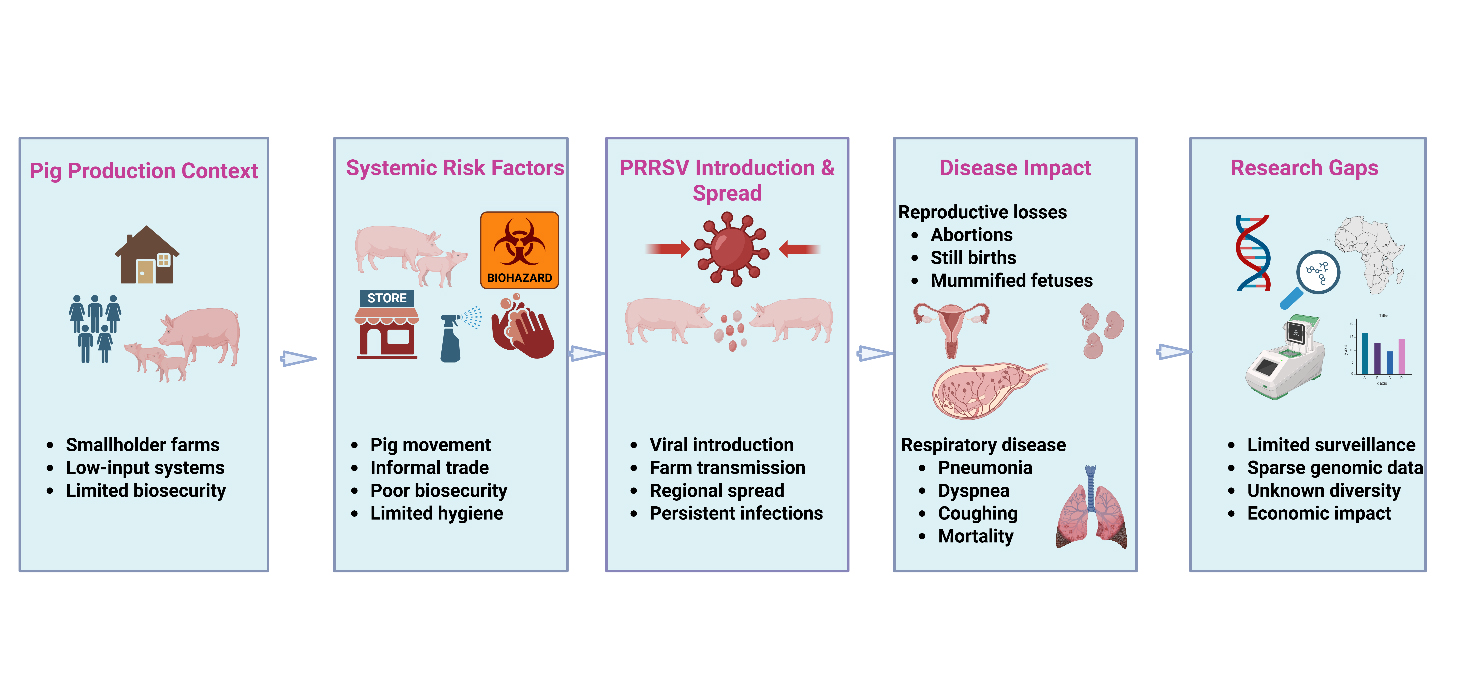
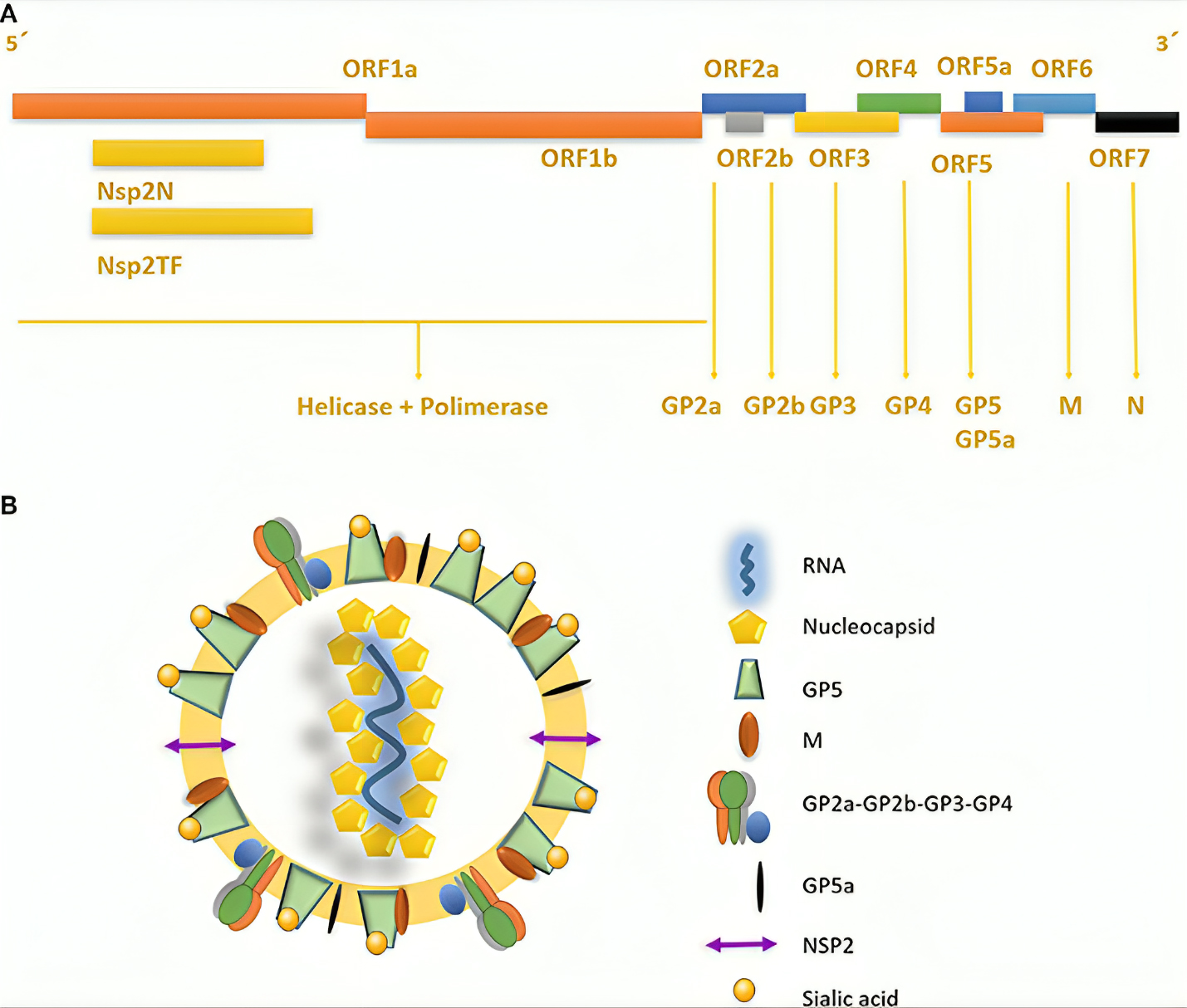
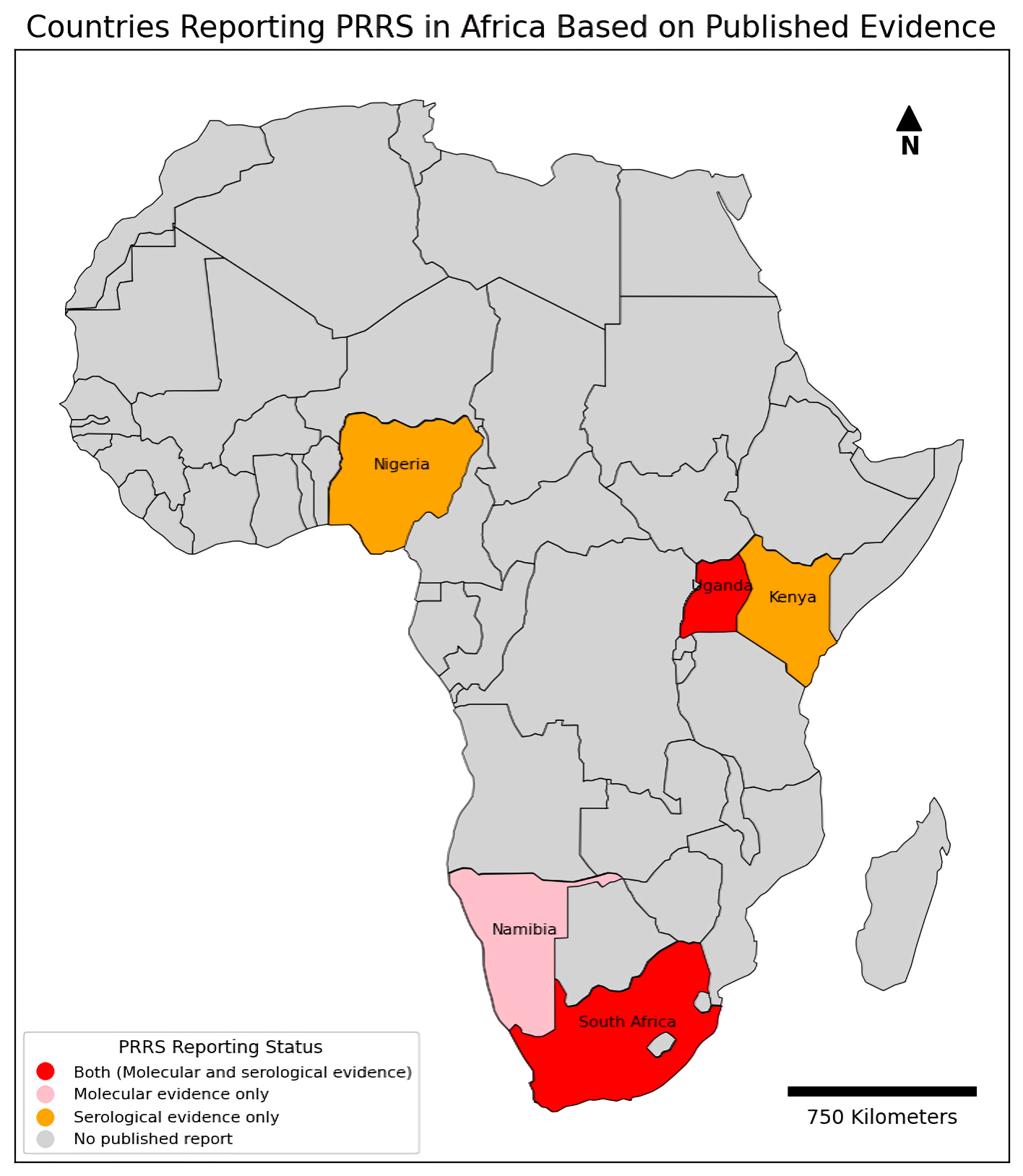
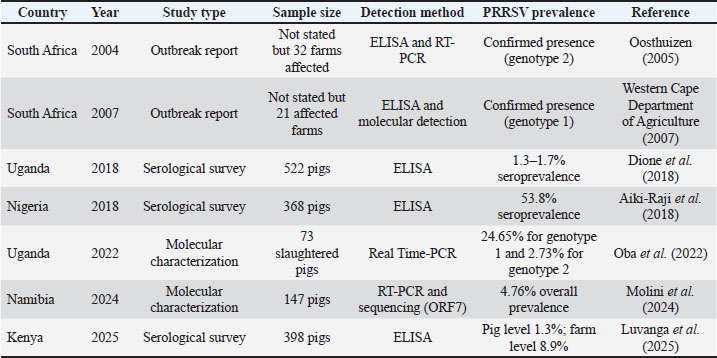
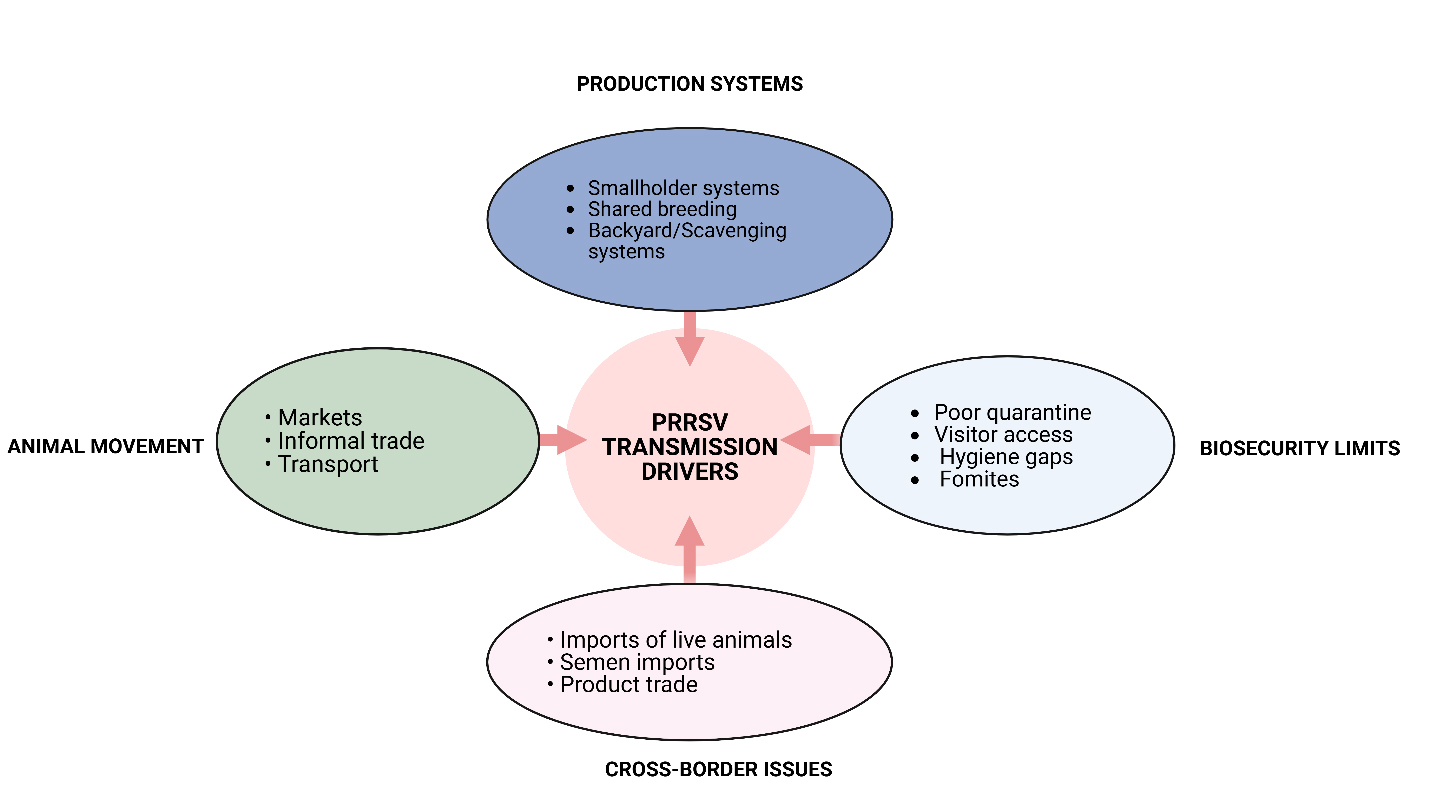
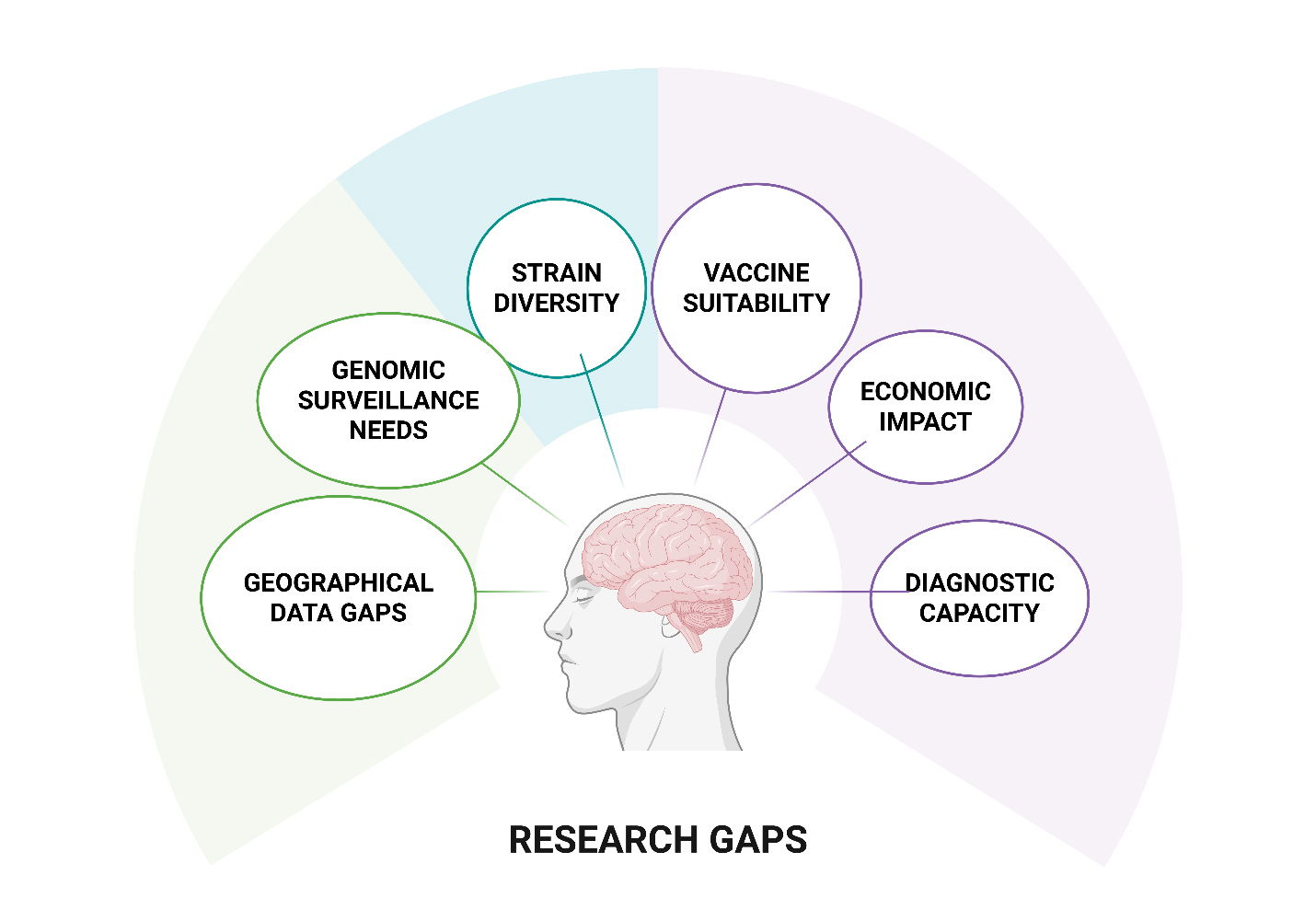
| How to Cite this Article |
| Pubmed Style Luvanga J, Kashoma I. Porcine reproductive and respiratory syndrome virus in Africa: Current knowledge, surveillance gaps, and future research needs. Open Vet. J.. 2026; 16(6): 3843-3860. doi:10.5455/OVJ.2026.v16.i6.55 Web Style Luvanga J, Kashoma I. Porcine reproductive and respiratory syndrome virus in Africa: Current knowledge, surveillance gaps, and future research needs. https://www.openveterinaryjournal.com/?mno=310582 [Access: June 26, 2026]. doi:10.5455/OVJ.2026.v16.i6.55 AMA (American Medical Association) Style Luvanga J, Kashoma I. Porcine reproductive and respiratory syndrome virus in Africa: Current knowledge, surveillance gaps, and future research needs. Open Vet. J.. 2026; 16(6): 3843-3860. doi:10.5455/OVJ.2026.v16.i6.55 Vancouver/ICMJE Style Luvanga J, Kashoma I. Porcine reproductive and respiratory syndrome virus in Africa: Current knowledge, surveillance gaps, and future research needs. Open Vet. J.. (2026), [cited June 26, 2026]; 16(6): 3843-3860. doi:10.5455/OVJ.2026.v16.i6.55 Harvard Style Luvanga, J. & Kashoma, . I. (2026) Porcine reproductive and respiratory syndrome virus in Africa: Current knowledge, surveillance gaps, and future research needs. Open Vet. J., 16 (6), 3843-3860. doi:10.5455/OVJ.2026.v16.i6.55 Turabian Style Luvanga, Julius, and Isaac Kashoma. 2026. Porcine reproductive and respiratory syndrome virus in Africa: Current knowledge, surveillance gaps, and future research needs. Open Veterinary Journal, 16 (6), 3843-3860. doi:10.5455/OVJ.2026.v16.i6.55 Chicago Style Luvanga, Julius, and Isaac Kashoma. "Porcine reproductive and respiratory syndrome virus in Africa: Current knowledge, surveillance gaps, and future research needs." Open Veterinary Journal 16 (2026), 3843-3860. doi:10.5455/OVJ.2026.v16.i6.55 MLA (The Modern Language Association) Style Luvanga, Julius, and Isaac Kashoma. "Porcine reproductive and respiratory syndrome virus in Africa: Current knowledge, surveillance gaps, and future research needs." Open Veterinary Journal 16.6 (2026), 3843-3860. Print. doi:10.5455/OVJ.2026.v16.i6.55 APA (American Psychological Association) Style Luvanga, J. & Kashoma, . I. (2026) Porcine reproductive and respiratory syndrome virus in Africa: Current knowledge, surveillance gaps, and future research needs. Open Veterinary Journal, 16 (6), 3843-3860. doi:10.5455/OVJ.2026.v16.i6.55 |


